
Plants
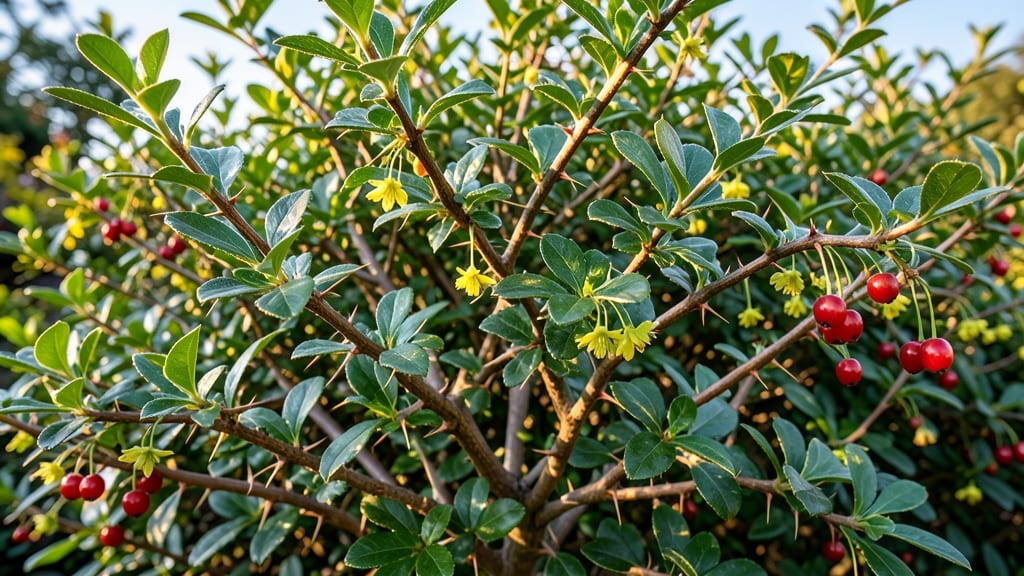
Tired of rodents ruining your garden or invading your home? These 10 natural rodent deterrent plants use scent, texture, and taste to create an organic barrier that keeps squirrels, rats, and mice away—without harmful chemicals.
Mint Plants for Strong Aromatic Protection
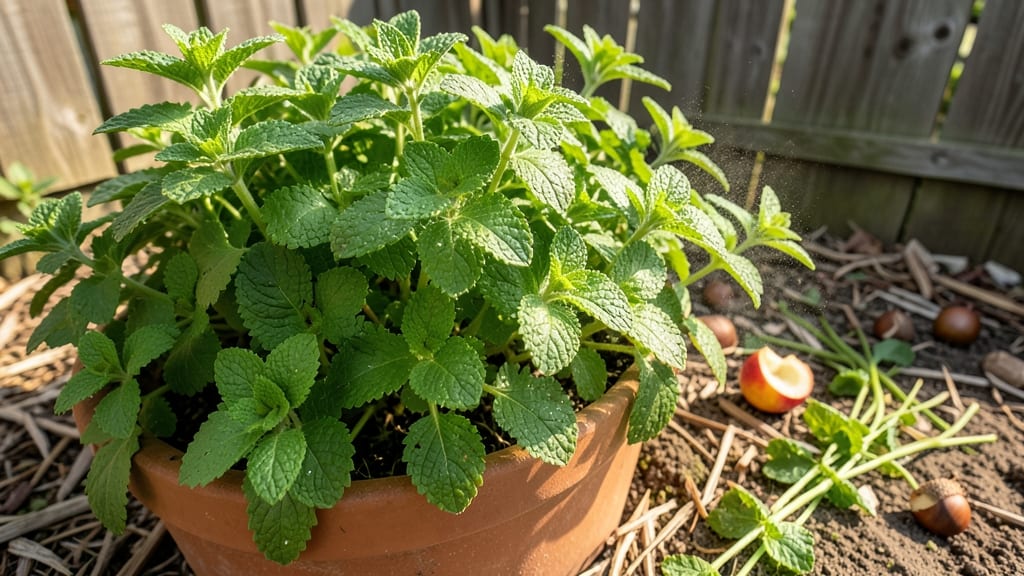
If you’re dealing with rodents nibbling on your garden or sneaking into containers, mint is your secret weapon. The moment you crush its leaves, mint releases a strong, fresh scent that squirrels, mice, and rats absolutely despise—making it one of the most effective natural deterrents for small spaces.
Plant spearmint or peppermint in containers near entry points, along borders, or even in window boxes. These hardy perennials thrive in partial to full sun and prefer moist, well-drained soil. For maximum impact, brush the leaves occasionally to release more of that rodent-repelling aroma. Bonus: They’re low-maintenance and spread quickly, perfect for filling gaps in urban gardens.
Urban gardeners and balcony growers will love how mint fits into tight spaces—just be prepared for its aggressive growth. Contain it in pots to prevent it from taking over your yard! 🌱
Garlic Chives as Natural Rodent Repellent
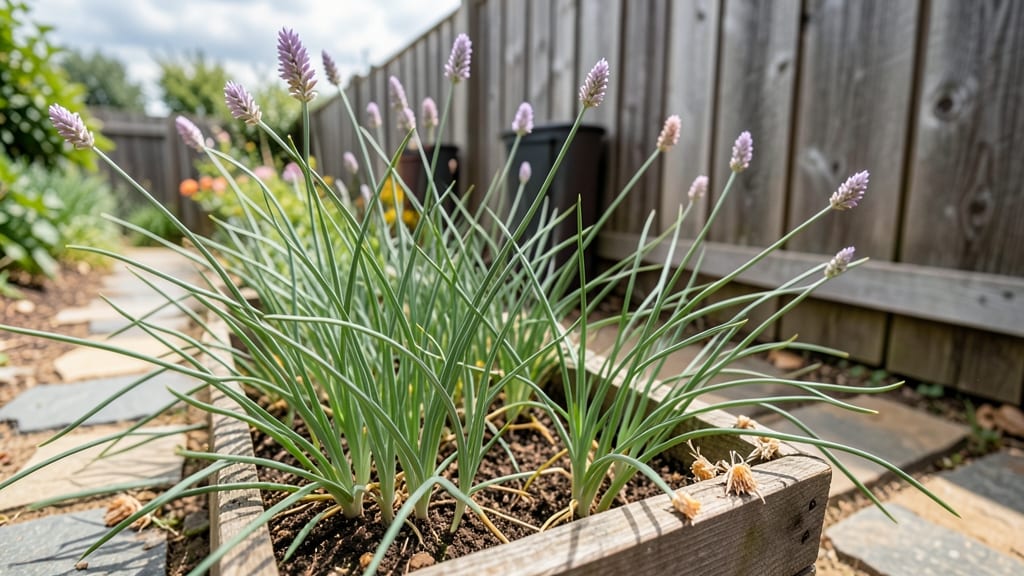
Looking for a dual-purpose plant that keeps rodents at bay while adding flavor to your meals? Garlic chives are the perfect solution—this mild, onion-family relative deters pests with its subtle garlic scent while thriving in almost any climate.
Plant them near garden beds, raised containers, or even in pots by your kitchen door. They grow best in well-drained soil with partial to full sun and tolerate light frost, making them ideal for year-round protection. The more you harvest, the bushier they grow—giving you both pest control and fresh garnishes for salads or soups.
This is especially great for urban gardeners or those with small spaces, as garlic chives pair beautifully with vegetables like tomatoes and peppers while keeping critters away. 🌱
Lavender Bushes for Fragrant Deterrence
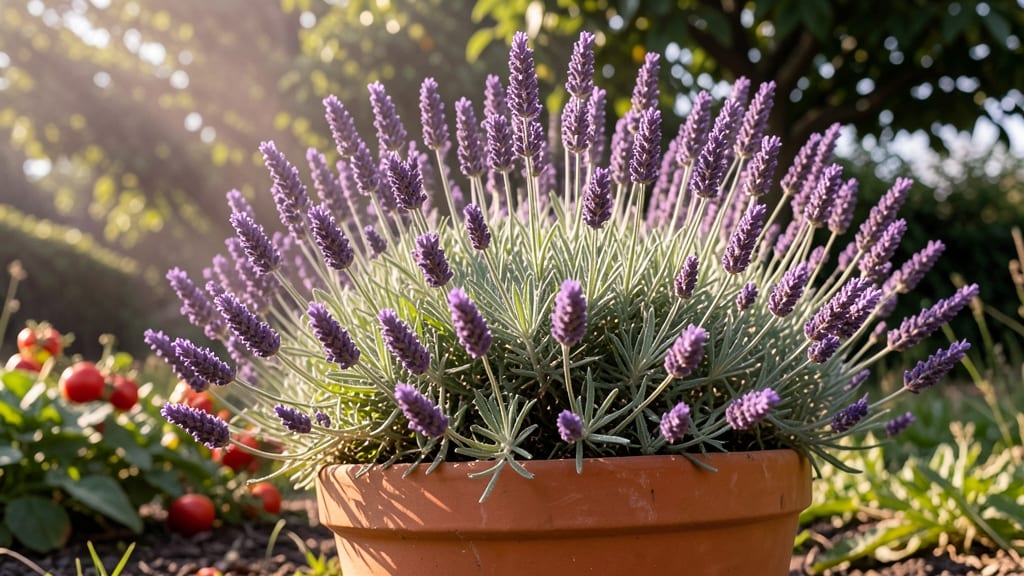
If you love the scent of summer but hate the idea of rodents sniffing out your garden’s treasures, lavender bushes are your secret weapon. Their intense floral aroma doesn’t just mask food odors—it actively repels squirrels, mice, and even rabbits by overwhelming their sense of smell.
Plant lavender in full sun where it thrives on dry, well-drained soil, making it perfect for rocky slopes, pathways, or hanging baskets. Prune lightly after flowering to encourage bushier growth, and enjoy its drought-resistant nature that requires minimal watering once established. The bonus? Its silvery foliage and purple blooms add elegance to any garden design.
This low-maintenance plant is ideal for gardeners who want both beauty and protection—especially in dry climates or areas prone to rodent invasions. 🌿
Daffodils to Protect Against Gnawing Pests
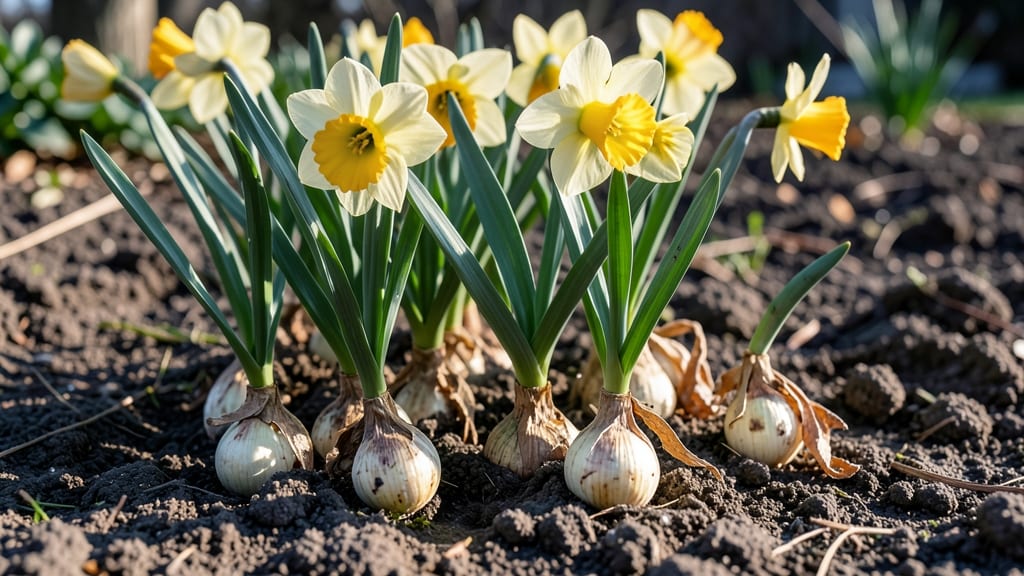
If you’ve ever lost a winter’s worth of work to burrowing rodents, daffodils might just be your secret weapon. Their toxic bulbs contain lycorine, a natural compound that deters squirrels, voles, and mice from digging near them—even after the blooms fade. Unlike annual plants that need replanting, daffodils return year after year, offering perennial protection with minimal effort.
Plant bulbs in fall (6–8 weeks before frost) in well-drained soil, 6 inches deep and 6 inches apart. Their cheerful spring blooms (March–May, depending on climate) add color while the bulbs stay underground, repelling pests all season. Choose varieties like Jonquil or Tête-à-Tête for compact, clump-forming habits that fit neatly into garden beds or under shrubs.
This is the ideal solution for gardeners who want beauty and function—no strong odors, no messy maintenance, just reliable rodent deterrence that doubles as a showstopper. 🌻
Rosemary Bushes for Woody Defense
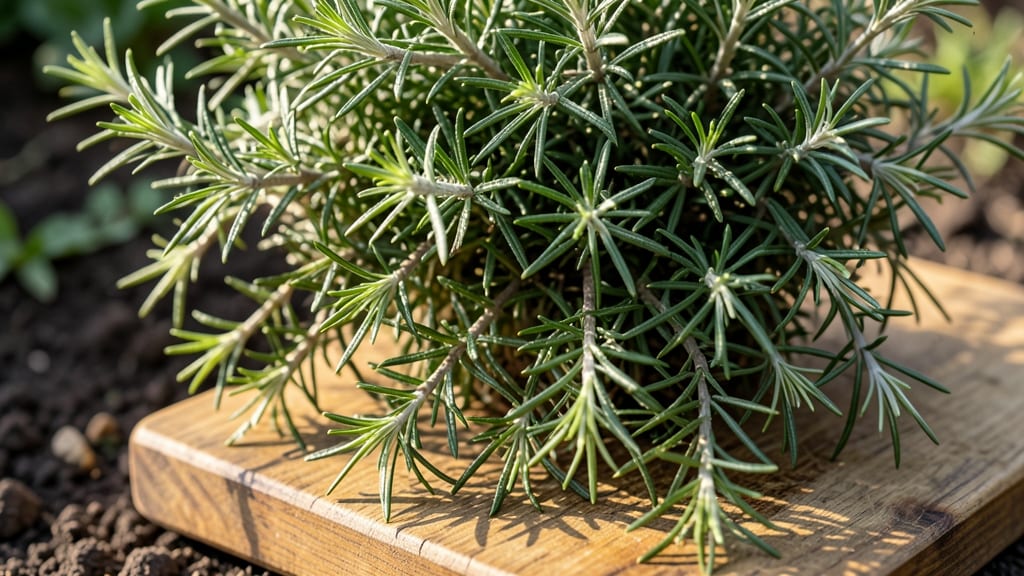
If you want a woody, evergreen plant that doubles as a rodent repellent and a kitchen staple, rosemary bushes are your secret weapon. Their pine-like fragrance disrupts rodent scent trails, making your garden less appealing for gnawing pests while keeping your space aromatic year-round.
Rosemary thrives in full sun to partial shade and well-drained soil, making it perfect for containers, garden borders, or even as a living fence. Prune regularly to encourage bushier growth, and harvest sprigs for cooking—this dual-purpose plant won’t just keep rodents away, it’ll spice up your meals too.
This versatile herb is ideal for urban gardeners, balcony planters, or Mediterranean-style landscapes, offering both beauty and function without the need for harsh chemicals. 🌿
Marigolds for Bright and Effective Barriers
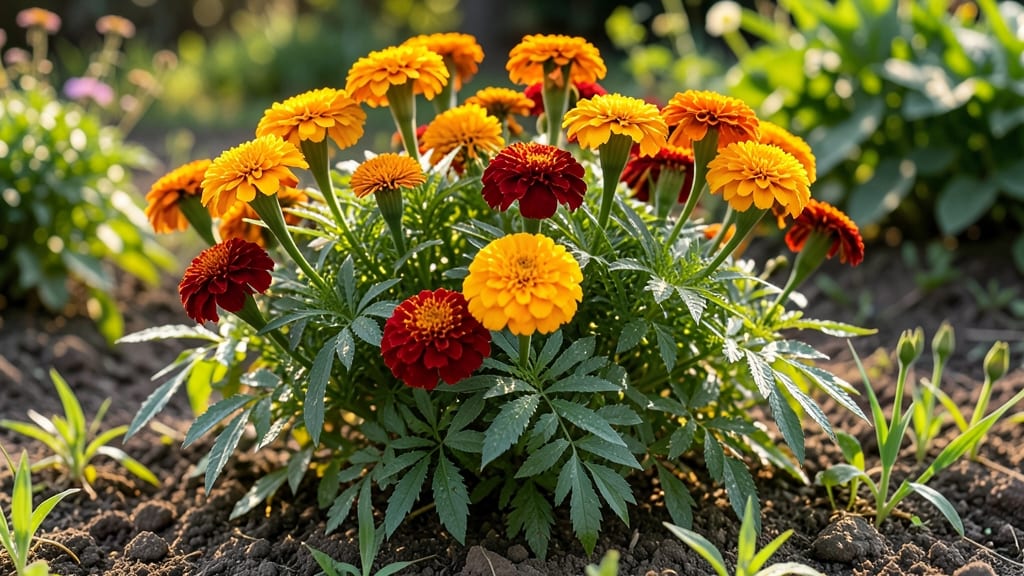
Want a colorful and low-maintenance way to keep rodents out of your garden? Marigolds are the answer—these cheerful flowers pack a scent that repels pests while adding vibrant blooms to your space.
Marigolds thrive in full sun (6+ hours daily) and grow quickly from seeds, making them perfect for beginners. Their strong fragrance deters rodents like squirrels and rabbits, while their bright orange and yellow flowers attract pollinators. Plant them around vegetable beds or borders for a dual-purpose barrier.
This is one of the easiest deterrents to grow—just scatter seeds and watch them flourish. Ideal for gardeners who want beauty and protection without the fuss! 🌻
Clematis Vines to Block Rodent Paths
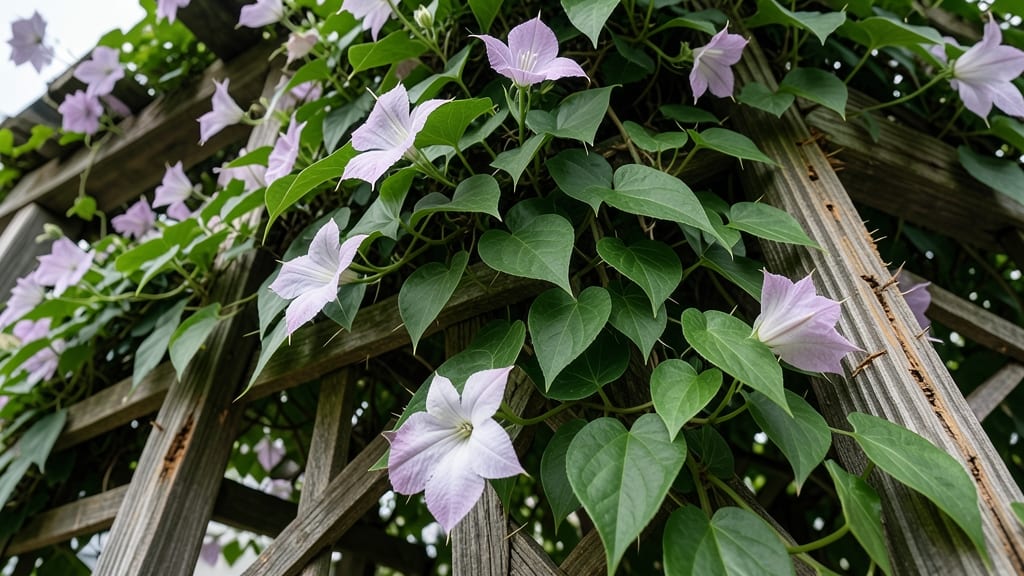
If you're tired of rodents nibbling through your garden or chewing on trellises, clematis vines offer a dual solution: their sharp thorns create a physical barrier while their lush growth adds beauty. Unlike other deterrent plants that rely on scent, clematis uses tactile defense—rodents avoid climbing through prickly vines that can snag their fur and deter them from entering your space.
These fast-growing perennials thrive in partial to full sun and can be trained on trellises, fences, or arbors, making them ideal for vertical gardening. Choose varieties like Clematis montana (early bloomer) or Clematis viticella (heat-tolerant) for year-round protection. Plant them near entry points or along garden edges, and watch as their thorny stems discourage rodents from crossing.
Perfect for gardeners who want both function and aesthetics, clematis transforms bare walls into protective green screens while adding season-long blooms in shades of purple, white, or pink. 🌻
Onion Plants for Pungent Rodent Repulsion
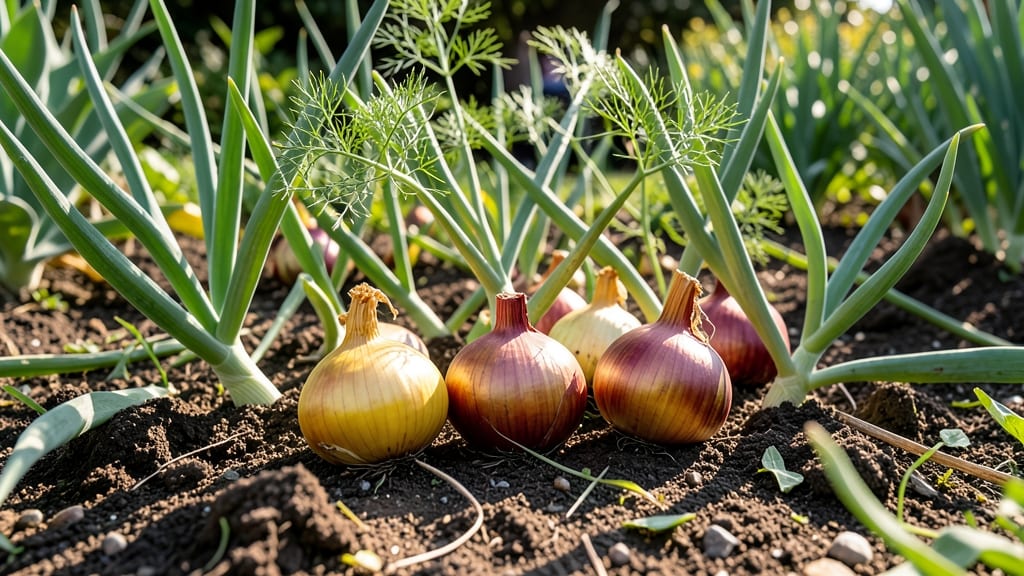
If you're tired of burrowing pests like voles or moles tunneling through your garden beds, onion plants might be your secret weapon. Their pungent scent isn't just for flavor—it confuses and repels rodents naturally while you harvest fresh bulbs for cooking.
Plant onion varieties like yellow or red onions in well-drained soil with 6 hours of full sun daily. The strong aroma develops as they grow, creating a living barrier that deters pests without chemicals. For best results, space them 12 inches apart in rows to maximize scent coverage.
This dual-purpose plant is perfect for vegetable gardeners or anyone wanting both pest control and homegrown produce. Just be mindful of slugs, which may target young onion leaves. 🌱
Foxglove for Toxic Rodent Deterrence
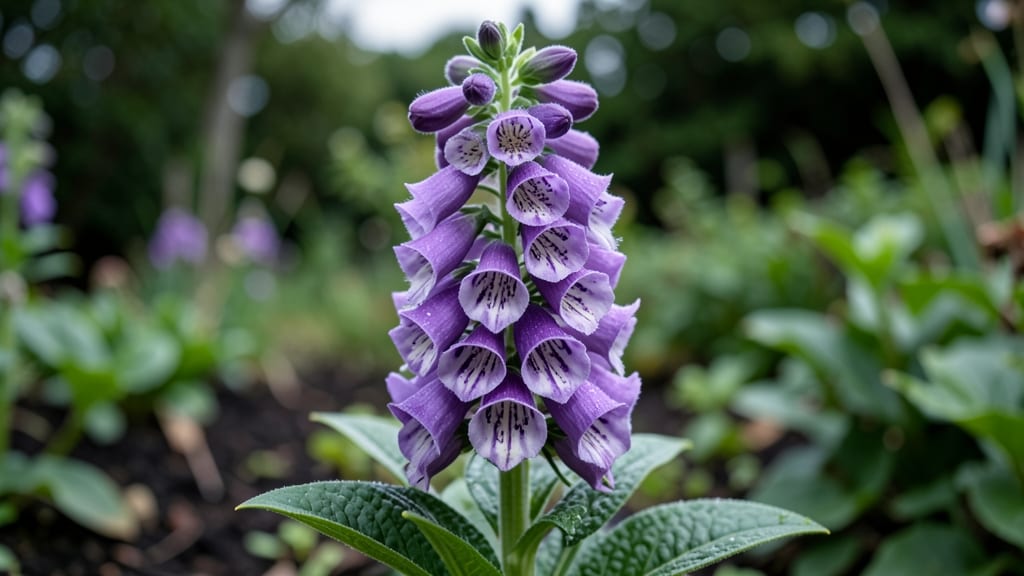
If you're dealing with persistent rodents that seem immune to other deterrents, foxglove might be your secret weapon—but with a critical caveat. This striking perennial contains cardiac glycosides, a natural compound toxic to rodents, making it one of the few plants that actively repels them through chemical defense rather than just scent.
Plant foxglove in clusters along garden edges or near rodent entry points, ensuring it receives partial shade to full sun and well-drained soil. Its towering bell-shaped flowers (in shades of purple, pink, or white) add dramatic vertical interest while creating a natural barrier. However, keep it away from pets and children, as the plant is also toxic to them if ingested.
This plant is ideal for gardeners who want a doubly effective solution—beauty and pest control—but must prioritize safety. Perfect for woodland gardens, cottage-style borders, or as a striking focal point in perennial beds. ✨
Barberry Shrubs for Thorny Protection

If you're looking for a physical barrier that makes rodents think twice, barberry shrubs are your answer. Unlike other deterrents that rely on scent, these shrubs use a double defense: sharp thorns that discourage climbing and a bitter taste that keeps nibblers away.
Barberries thrive in full sun to partial shade and are incredibly adaptable, tolerating both dry soil and occasional drought once established. Their evergreen or semi-evergreen foliage provides year-round protection, while their bright red berries add seasonal color. Prune them lightly in late winter to maintain a dense, impenetrable hedge.
Perfect for gardeners who want low-maintenance, long-term defense, barberries are especially effective along fences, foundations, or garden edges. They’re also deer-resistant, making them a versatile choice for rural or suburban properties. 🌿