
Companion Plants
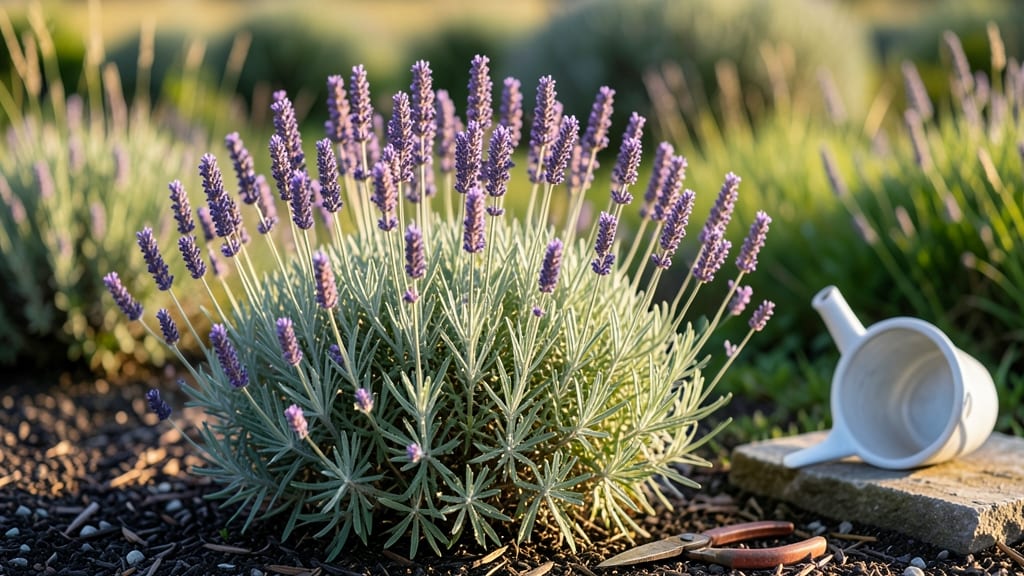
Planting animal deterrent plants saved my garden from deer, rabbits, and even my neighbor's overenthusiastic dog. 🌱 The right mix of fragrant herbs, bold blooms, and toxic-to-animals foliage creates a natural barrier that works better than fences in many cases—plus, it looks intentional, not like a DIY fail.
Lavender and rosemary repel deer with their strong scent, while marigolds and daffodils confuse rabbits with their bitter taste. I combine these with physical barriers like chicken wire for stubborn critters, but the plants handle 90% of the work.
The best part? These same plants attract pollinators and look stunning in borders.
By mid-summer, you'll notice fewer chewed leaves and more blooms—animals avoid the area entirely. The plants thrive with basic care: full sun, well-drained soil, and occasional pruning. For maximum effectiveness, plant them in clusters along property edges or around raised beds.
This works in suburban yards, rural homesteads, and even urban containers. The key is persistence: animals learn to avoid these plants over time. Start small with a few pots, then expand as you see results. Your garden—and your sanity—will thank you.
📚 In This Guide
- What you need
- Instructions
- Tips and common mistakes
- Wrapping up and next steps
What you need
- ● Animal-deterrent plants: Choose 3–5 species from this list (quantities depend on garden size): Lavender (Lavandula) – 5–10 plants (spaced 1–2 ft apart)
- ● Marigolds (Tagetes) – 10–20 plants (spaced 6–12 in apart)
- ● Rosemary (Rosmarinus officinalis) – 3–5 plants (spaced 2–3 ft apart)
- ● Garlic (Allium sativum) – 10–15 cloves/bulbs (plant in clusters)
- ● Citronella grass (Cymbopogon nardus) – 3–5 plants (spaced 1–2 ft apart)
- ● Rue (Ruta graveolens) – 3–5 plants (spaced 1–2 ft apart; toxic to pets—handle with care!)
- ● Potting soil or garden bed soil: 1–2 bags (depending on planting method)
- ● Compost or organic fertilizer: 1 bag (for nutrient-rich soil)
- ● Watering can or hose: With a gentle spray nozzle
- ○ Gloves (optional but recommended): For handling prickly or aromatic plants
- ● Hand trowel or garden spade: For digging small or large holes
- ● Measuring tape: To ensure proper spacing between plants
- ● Mulch (straw, wood chips, or pine needles): 1–2 bags (to retain moisture and suppress weeds)
- ● Plant markers: Sticks or labels to track varieties
- ○ Pest-repellent sprays (optional): Homemade mixes (e.g., garlic-chili spray) for extra defense
- ○ Fencing or trellis (optional): To elevate plants like citronella for better airflow
How to plant animal-deterrent plants for a pest-free garden
Here's the simple way to create a natural barrier that keeps critters away while adding beauty to your garden.
🌱 Step 1: Select the Right Deterrent Plants
Choose plants known for their strong scents or textures that animals dislike. I recommend lavender, rosemary, marigolds, and daffodils for their effectiveness. Lavender’s fragrance repels rabbits and deer, while marigolds deter aphids and other insects with their strong scent. Plant these strategically around your garden’s perimeter to create a natural fence.
For a 4-plant barrier, select 2 lavender bushes, 1 rosemary plant, and 1 marigold patch. These combinations work best because they cover different scent profiles and textures. Place them in a staggered pattern—about 3 feet apart—to create a dense, unappealing border for pests.
🪴 Step 2: Prepare the Planting Area
Clear the area of weeds or debris to give your deterrent plants room to grow strong. Use a shovel to loosen the soil to a depth of 6-8 inches, breaking up any compacted layers. This ensures roots can spread easily and establish quickly, which is key for deterring animals that might dig or nibble.
Mix 3 gallons of compost into the soil to enrich it before planting. Animals are less likely to linger where plants are healthy and thriving. Water the area lightly after amending the soil to help settle everything in. This step sets the foundation for your natural barrier to take hold.
☀️ Step 3: Plant Strategically for Maximum Effect
Dig holes twice as wide as the root ball but only as deep as the container your plants came in. Place each plant gently into its hole, ensuring the top of the root ball sits just below soil level. Fill the hole with soil and press lightly around the base to remove air pockets—this helps roots anchor quickly.
Space lavender and rosemary about 2 feet apart, while marigolds can go 1 foot apart in clusters. These distances allow plants to fill in over time, creating a dense, uninviting barrier. Water each plant deeply right after planting to help them establish roots in the first 24 hours. Avoid overwatering, though—soggy soil attracts pests, too.
💧 Step 4: Maintain for Long-Term Deterrence
Water your deterrent plants once a week during dry spells, but avoid oversaturating the soil. Most animals avoid gardens where plants are healthy but well-drained. Mulch around the base with 2 inches of organic mulch to retain moisture and suppress weeds, which can attract pests like rodents.
Trim back leggy growth or overcrowded branches every 4-6 weeks to keep plants dense and vigorous. A well-maintained barrier looks inviting to you but unappealing to critters. If you notice animals lingering, add a few extra garlic chives or catnip—their scents are even stronger deterrents.
✂️ Step 5: Monitor and Adjust as Needed
Check your barrier weekly for signs of damage or pests. If you spot nibbled leaves or disturbed soil, reinforce the area with additional plants or a light sprinkle of cayenne pepper (a natural repellent). Animals learn to avoid spaces that smell or taste unpleasant, so consistency is key.
Rotate plants like marigolds annually to keep them productive. Over time, their scent weakens, so replacing a few each year ensures your natural fence stays effective. With this approach, your garden will become a fortress against unwanted visitors while adding beauty and fragrance to your space.
Tips & tricks for perfect animal-deterrent plant barriers
Creating an effective natural fence takes more than just planting—here's what I've learned to make these deterrent plants truly work.
Plant Selection Strategy: Lavender and rosemary are your powerhouses for larger animals like deer and rabbits, while marigolds handle insects. For maximum effectiveness, I add garlic chives or catnip in areas where I've seen persistent pests—their strong scents create an extra layer of protection. These optional additions work especially well when combined with your core plants.
Soil Preparation Secret: That 6-8 inch soil loosening in Step 2 isn't just about roots—it's about creating an inhospitable environment for pests. Compacted soil makes it easier for animals to dig through, but well-aerated soil encourages strong root systems that grow quickly and become more effective barriers. I like to add a handful of bone meal to the compost mix for extra phosphorus, which helps roots spread faster.
Watering Wisdom: The 24-hour deep watering after planting is crucial—it helps roots establish before they have to compete with weeds. I've found that watering deeply once a week (rather than light daily watering) encourages deeper root growth, making plants more resilient against both pests and drought. A soaker hose works perfectly for this method.
Maintenance Matters: That weekly check in Step 5 isn't just about pests—it's about catching problems early. I keep a small notebook by my garden gate to track which plants need attention. For example, if I notice marigolds losing their scent after a year, I mark them for replacement. This simple system helps me maintain that fresh, unappealing scent barrier that keeps animals away.
Pro Tips for Animal Deterrent Plants
- Creating an effective natural fence takes more than just planting—here's what I've learned to make these deterrent plants truly work.
- Plant Selection Strategy: Lavender and rosemary are your powerhouses for larger animals like deer and rabbits, while marigolds handle insects.
- Soil Preparation Secret: That 6-8 inch soil loosening in Step 2 isn't just about roots—it's about creating an inhospitable environment for pests.
Frequently asked questions
Got questions about using animal deterrent plants?
You’re not alone! Here are answers to the most common ones to help you create a pest-free garden with confidence.
Which animal deterrent plants work best for my specific pests?
The best plants depend on the critters you’re dealing with. For deer, try foxglove, daffodils, or lavender. Rabbits dislike marigolds, rosemary, or thyme. Squirrels often avoid daffodils, alliums, or peonies. Raccoons and rodents tend to steer clear of mint, garlic, or citrus-scented plants. Mix a few into your garden for layered protection!
How long does it take for these plants to start deterring animals?
Most deterrent plants show results within 2–4 weeks of planting, once they’re established and emitting strong scents. Fast-acting options like mint or garlic may work in 1–2 weeks, while bulbs (e.g., daffodils) take longer—plant them in fall for spring blooms to maximize early protection.
Can I use animal deterrent plants in containers or small spaces?
Many deterrent plants thrive in containers, raised beds, or window boxes. Try lavender, rosemary, or marigolds—they’re compact and potent. Just ensure containers have drainage holes and use well-draining soil. For ground pests, place containers near entry points (e.g., near doors or garden edges) to create a natural barrier.
What if animals ignore my deterrent plants?
If pests still linger, combine methods for better results:
- Layer scents: Plant mint near tomatoes and sprinkle cayenne pepper around the base.
- Use physical barriers: Add chicken wire or fencing for young plants.
- Rotate plants: Animals may adapt—try new deterrents seasonally (e.g., switch from mint to citrus peels in winter).
- Check for food sources: Remove fallen fruit or pet food that might attract them.
Are there any plants I should avoid near deterrent plants?
Some plants compete or cancel out deterrent effects. Avoid planting:
- Deterrent plants near strong attractants: For example, lavender (repels deer) loses effectiveness if planted next to hostas (deer magnets).
- Competitive neighbors: Mint can overtake slower-growing plants—keep it contained in pots.
- Avoid toxic pairings: Foxglove (toxic to pets) shouldn’t mix with pet-friendly herbs like basil.
Wrapping up and next steps
Transforming your garden into a pest-free haven is easier than you think!
By strategically planting animal deterrent plants, you’re not just protecting your space—you’re creating a thriving ecosystem where nature works with you. 🌿 Whether you’re dealing with deer, rabbits, or pesky insects, these plants offer a natural, chemical-free solution that’s kind to both your garden and the planet.
Ready to take the next step? Start small—pick 1-2 plants from our list, plant them near vulnerable areas, and watch your garden flourish without the unwanted visitors! 🌱 For even better results, pair these plants with other companion varieties for a layered defense system. Happy gardening!