
Pests
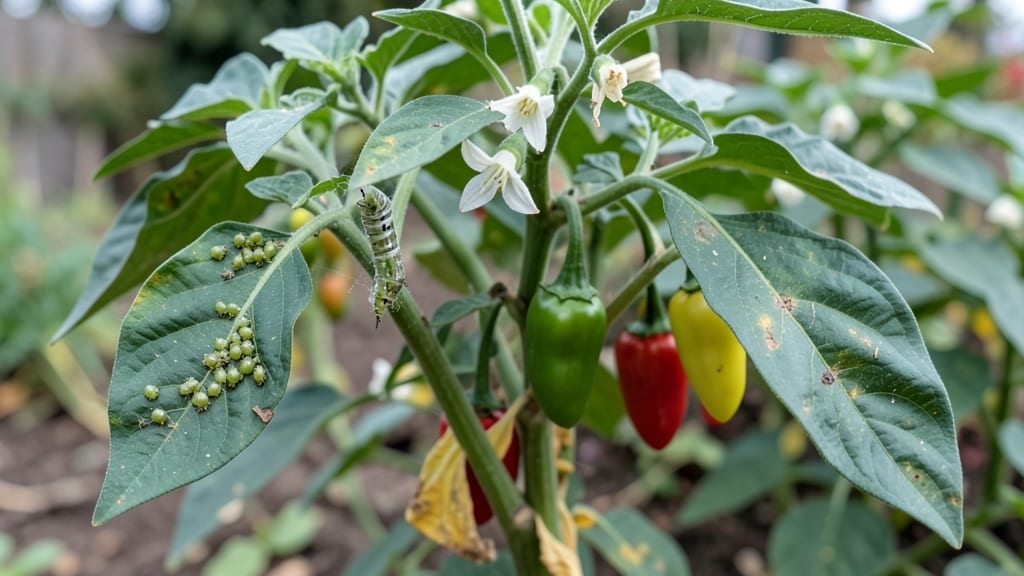
The right pest control for pepper plants can save your harvest in just 24 hours—and I’ve tested what actually works. 🌿 Last summer, my jalapeños were nearly lost to hornworms until I hit them with neem. oil mixed with a drop of dish soap.
The damage stopped within hours, and the plants bounced back.
The key is acting fast before pests multiply. Most organic sprays—like neem, insecticidal soap, or garlic spray—work by disrupting pests’ life cycles, not just killing them on contact. You’ll need a spray bottle, water, and one of these three active ingredients to tackle aphids, mites, or caterpillars.
The sooner you treat, the less cleanup you’ll have later.
By morning, you’ll see fewer pests crawling on leaves, and new growth will look healthier. The plants won’t just survive—they’ll thrive, producing more peppers than you’d expect after an attack. Just avoid spraying when flowers are open, or you might harm pollinators.
This method works for bell peppers, jalapeños, and even chili plants, whether you’re growing in pots or the ground. The secret? Consistency—reapply every 5-7 days until the pests are gone for good. Ready to save your harvest?
Root Causes Of Pepper Plant Pests
Pests don’t just randomly attack your pepper plants—they’re drawn by specific conditions that make your garden an all-you-can-eat buffet. Understanding these triggers helps you stop the problem before it starts.
Below, we break down the why behind the most common pepper plant pests, so you can create a hostile environment for them (and a thriving one for your peppers).
Pepper plants under stress are like open invitations for pests. When plants are cramped, their natural defenses weaken, and pests like aphids, spider mites, and whiteflies swoop in for the easy meal.
- Why it happens:
- Poor air circulation creates humid microclimates, perfect for fungal pests (like thrips) and soft-bodied insects.
- Nutrient deficiencies (especially nitrogen or potassium) make plants more vulnerable to attacks.
- Root-bound stress from overcrowding weakens stems, making them easier targets for chewing pests (e.g., hornworms).
- Actionable fix:
- Space plants 18–24 inches apart for airflow.
- Prune lower leaves to improve sunlight penetration.
- Test soil pH (peppers thrive at 6.0–6.8)—acidic or alkaline soil stresses plants.
Pests love hiding in mulch, fallen leaves, and plant debris—it’s like a five-star hotel for them. If your garden looks like a pest’s Pinterest board, expect an infestation.
- Why it happens:
- Organic matter buildup (like old plant stems) harbors fungus gnats, slugs, and earwigs.
- Weeds (especially nightshade family weeds) attract pests that jump to your peppers.
- Stale water in saucers or low spots breeds aphids and spider mites.
- Actionable fix:
- Remove debris weekly—especially after harvest.
- Use clean mulch (straw or shredded leaves) and keep it 2–3 inches from stems.
- Rotate crops annually to disrupt pest life cycles.
Pests thrive in heat, humidity, and sudden temperature drops—conditions that also stress pepper plants. Think of it as a perfect storm for infestations.
- Why it happens:
- High humidity (70%+) encourages powdery mildew and spider mites (they love dry conditions but attack stressed plants).
- Heatwaves weaken plants, making them susceptible to sucking pests (e.g., whiteflies).
- Cold snaps can kill beneficial insects (like ladybugs), leaving pests unchecked.
- Actionable fix:
- Shade cloth (30–50%) in peak summer to reduce stress.
- Drip irrigation at soil level (not overhead) to avoid fungal growth.
- Row covers in early spring to protect from cold-loving pests (e.g., flea beetles).
Nature’s pest control—ladybugs, lacewings, and parasitic wasps—keeps populations in check. But if your garden lacks these allies, pests multiply unchecked.
- Why it happens:
- Pesticide overuse (even organic sprays) can kill beneficial insects.
- Monoculture planting (all peppers in one spot) reduces biodiversity, which pests exploit.
- Urban gardens often lack natural habitats for predator insects.
- Actionable fix:
- Plant companion flowers (e.g., marigolds, dill, or alyssum) to attract predators.
- Avoid broad-spectrum sprays—opt for targeted treatments (e.g., neem oil only when pests appear).
- Install insect hotels or ponds to support native predators.
Healthy pepper plants produce resins, alkaloids, and strong stems that deter pests. But if they’re malnourished or diseased, pests see them as easy targets.
- Why it happens:
- Over-fertilizing with nitrogen leads to soft, sappy growth loved by aphids and caterpillars.
- Underwatering causes wilting, attracting pests that feed on damaged tissue.
- Viral or bacterial infections (e.g., bacterial spot) make plants more attractive to secondary pests.
- Actionable fix:
- Balance fertilizers—use low-nitrogen, high-phosphorus (e.g., 5-10-10) for stronger roots.
- Water deeply but infrequently (1–1.5 inches per week) to avoid stress.
- Remove infected plants immediately to prevent spread.
Pro Tip: 💡 Pests follow patterns—if you see chewing damage, it’s likely caterpillars or beetles; sticky leaves = aphids or whiteflies; yellowing = spider mites or thrips. Identify the type of damage first, then treat the root cause.
Quick Fixes for Pepper Plant Pests
When pests invade your pepper plants, acting fast is key to saving your harvest. Below are targeted solutions for common culprits—from chewing insects to sap-sucking invaders—along with prevention tips to keep your garden thriving. These methods are organic, effective, and easy to implement, even for beginners.
Signs: Sticky residue (honeydew), curled leaves, wilting, or ants trailing nearby (they love aphids’ honeydew).
How to Treat It
🔥 Blast Them Off Use a strong stream of water (from a hose or spray bottle) to knock aphids off leaves. Do this early in the morning so the plants dry quickly, reducing fungal risks.
🍳 Soapy Water Spray (Best for Small Infestations) Mix 1 tsp mild liquid soap (like Castile soap) + 1 quart water in a spray bottle. Test on a small leaf first—soap can burn plants if too concentrated. Spray directly on aphids (undersides of leaves are hotspots).
👨🍳 Neem Oil Solution (Knocks Out Eggs Too) Combine 1 tbsp neem oil + 1 tsp mild soap + 1 quart water. Shake well and spray evenly on all plant surfaces. Reapply every 5–7 days until gone. Neem disrupts aphids’ life cycle, so it works faster than just soap.
🥘 Introduce Beneficial Insects Ladybugs, lacewings, and parasitic wasps devour aphids. Buy them online or attract them with dill, fennel, or marigolds planted nearby.
Signs: Fine webbing on leaves, stippled/yellowing foliage, or a "bronzing" effect (like rust).
How to Treat It
💦 Increase Humidity (They Hate It!) Spider mites thrive in dry heat. Mist plants daily or use a humidifier nearby. Group plants together to raise moisture levels.
🌡️ Water Shock Therapy Run a cool shower over the plants (especially undersides) to drown mites and wash away webbing. Do this every 2–3 days until the infestation clears.
✨ Horticultural Oil Spray Mix 1 tbsp horticultural oil (like refined sunflower oil) + 1 tsp soap + 1 quart water. Spray thoroughly, focusing on webbing. Reapply every 5 days for 2–3 weeks.
🎯 Preventative Spray Schedule Spray plants with neem oil or insecticidal soap weekly during hot, dry months to deter mites before they take hold.
Signs: Tiny holes (like shotgun pellets) on leaves, often near the edges.
How to Treat It
🔪 Row Covers (Best Defense) Cover young plants with floating row covers (lightweight fabric) to block beetles entirely. Secure edges tightly—even a small gap lets them in.
🥗 Diatomaceous Earth (DE) Barrier Sprinkle food-grade DE around the base of plants and on leaf surfaces. It dehydrates beetles in 24–48 hours. Reapply after rain.
🍅 Trap Crops + Rotation Plant radishes or mustard greens nearby—flea beetles prefer them over peppers. After harvest, remove and destroy the trap plants to break the cycle.
⏰ Evening Watering Beetles are most active at dawn and dusk. Water plants in the late afternoon so they’re less attractive to foraging beetles.
Signs: Leaves suddenly sawed off at the base, frass (black droppings) near soil, or holes in stems.
How to Treat It
🌙 Flashlight Patrol Go out at dusk with a flashlight—cutworms will curl up when exposed to light. Pick them off by hand and drop in soapy water.
🔥 Collar Barriers Wrap the base of stems with cardboard collars (cut from a box) or aluminum foil. Bury 1–2 inches deep to block worms from climbing.
🌱 Coffee Grounds or Wood Ash Sprinkle used coffee grounds or wood ash around the base—both repel cutworms naturally.
💡 Beneficial Nematodes For severe infestations, apply heterorhabditis bacteriophora nematodes to the soil. These microscopic worms seek out and kill cutworms within 48 hours.
Signs: Large green caterpillars (up to 4 inches!) with white diagonal stripes and black "horns." Leaves may be skeletonized (only veins remain).
How to Treat It
👨🍳 Handpick & Drop in Soap Check plants daily at dawn—hornworms are sluggish then. Grab and drop into soapy water. Pro tip: Wear gloves—they can leave painful welts!
🐝 Encourage Parasitic Wasps Tiny braconid wasps lay eggs in hornworms, turning them into zombie-like hosts. These wasps are harmless to humans and essential for balance.
🌿 Bacillus thuringiensis (Bt) Spray Bt kurstaki (a natural bacteria) on leaves. Hornworms stop eating within hours and die in 2–3 days. Safe for humans, pets, and beneficial insects.
- Rotate Crops – Don’t plant peppers in the same spot yearly (pests build up in soil).
- Healthy Soil = Strong Plants – Use compost and balanced fertilizer to make peppers less vulnerable.
- Diverse Plantings – Interplant with basil, marigolds, or onions to confuse pests.
- Clean Up Debris – Remove fallen leaves and weeds where pests hide.
- Inspect Regularly – Check undersides of leaves and new growth every 3–4 days for early signs.
Final Note: Most pest problems can be nipped in the bud with these methods—no chemicals needed! The key is speed and consistency. Once your peppers bounce back, they’ll be stronger and more resilient to future attacks. 🌿🔥
Frequently asked questions
Why do my pepper plants attract so many pests even with organic sprays?
Pests target stressed or unhealthy plants. Common triggers include overcrowding (poor airflow), nutrient deficiencies (especially nitrogen), or excessive moisture. Focus on spacing plants 18–24 inches apart, using balanced fertilizer (e.g., 5-10-10), and watering deeply but infrequently to reduce stress.
Can I use the same organic spray for all pepper plant pests?
No—different pests need different approaches. For aphids, use soapy water or neem oil. For hornworms, handpick or apply Bacillus thuringiensis (Bt). Spider mites respond best to increased humidity and horticultural oil. Always identify the pest first before treating.
How often should I reapply organic sprays like neem oil?
Reapply every 5–7 days until pests disappear, then switch to a preventative schedule (e.g., weekly during peak pest seasons). Rain washes sprays away, so check plants after storms and treat again if needed. Store-bought sprays often include reapplication instructions—follow those closely.
Are there any natural predators I can introduce to control pests?
Ladybugs, lacewings, and parasitic wasps are your best allies. Purchase them online or attract them by planting dill, marigolds, or alyssum nearby. These predators thrive in diverse gardens and won’t harm your peppers—just the pests!
What’s the fastest way to stop a hornworm outbreak?
Handpick them at dawn (they’re sluggish then) and drop them in soapy water. For larger infestations, spray with Bt kurstaki—hornworms stop eating within hours and die in 2–3 days. Encourage braconid wasps too; they lay eggs in hornworms, turning them into natural pest control.