Flowers
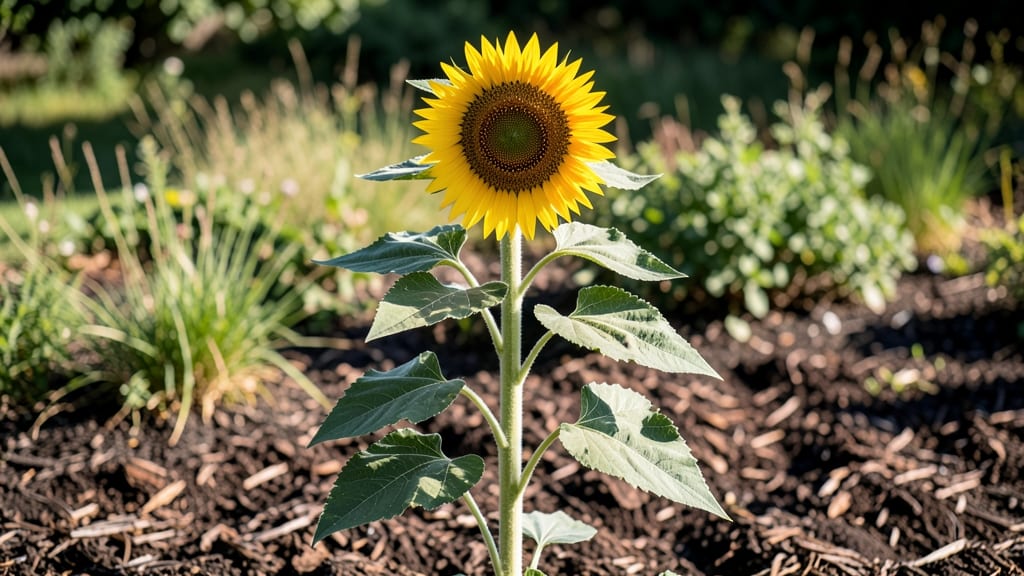
Growing oil sunflowers from seed to towering blooms in just 90 days is one of the fastest rewards in gardening. 🌻 I planted my first batch last spring, and by midsummer, I was snapping photos of 8-foot stems that looked like golden exclamation marks against the sky.
The secret isn't just the speed—it's how effortlessly they transform a garden into a statement piece.
These sunflowers thrive in ordinary soil as long as it drains well, and they don't fuss over watering once established. Start seeds indoors 6-8 weeks before your last frost, or sow directly outside after temperatures stay above 50°F.
The varieties like 'Mammoth' or 'Russian Giant' deliver jaw-dropping height, while 'Autumn Beauty' offers a mix of yellow, red, and green blooms that last for weeks.
By mid-summer, you'll have stems thick enough to support your weight (yes, I've tested this) and blooms that attract bees for miles. The seeds are edible too—crunchy, nutty, and perfect for baking or snacking straight from the plant.
Even if you just love the drama of their height, they're impossible to resist once they start shooting up.
Works in full sun or partial shade, and they're tough enough for beginner gardeners. Here's how to get those first sprouts popping within a week—no green thumb required.
📚 In This Guide
- What you need
- Instructions
- Tips and common mistakes
- Wrapping up and next steps
What you need
- ● Sunflower seeds: 10–20 seeds (oil sunflower variety, like Helianthus annuus—check seed packets for specifics).
- ● Growing containers: 5–6 inch pots (for seedlings) or a garden bed with well-draining soil (if planting directly).
- ● Potting mix: 5–10 gallons of high-quality, well-draining soil (add perlite or sand for extra aeration).
- ● Watering can or hose: With a gentle spray nozzle for seedlings.
- ● Fertilizer: Balanced 10-10-10 or organic compost (1–2 cups per plant at planting time).
- ● Sunlight access: Full sun (6+ hours daily) or a grow light for indoor setups.
- ○ Stakes or cages (optional but helpful): 3–4 foot tall stakes to support tall varieties.
- ● Gloves: To protect hands while handling soil/seeds.
- ● Trowel: For transplanting seedlings.
- ● Pruning shears: To trim dead leaves or encourage bushier growth.
- ● Mulch: Straw or wood chips (to retain moisture and suppress weeds).
- ○ pH test kit (optional): To ensure soil pH is 6.0–7.5 (ideal for sunflowers).
- ○ Seedling heat mat (optional): For faster germination if starting indoors.
Step-by-Step instructions for growing oil sunflowers
Here's how to grow these towering beauties from seed to harvest in just three months.
🌱 Step 1: Prepare the Soil and Plant Seeds
Sunflowers love loose, well-draining soil rich in organic matter. Work in 2-3 inches of compost into the top 12 inches of your planting area. Oil sunflowers need plenty of space—plant seeds 12-18 inches apart in rows 2-3 feet apart to prevent overcrowding. The ideal soil temperature for germination is 60-70°F, so wait until after your last frost date when the ground has warmed.
Plant seeds 1-2 inches deep—deeper planting slows germination. I like to plant 2-3 seeds per hole and thin later, as sunflowers often have uneven germination. Water gently after planting to settle the soil around the seeds. Keep the soil consistently moist but not soggy until germination, which typically occurs in 7-14 days.
☀️ Step 2: Provide Full Sun and Consistent Watering
Sunflowers thrive in full sun—at least 6-8 hours daily. If you're growing in partial shade, expect smaller stems and fewer blooms. Once seedlings emerge, thin to one strong plant per location, cutting weaker stems at the base with clean scissors. Leave 4-6 inches of stem to encourage root development.
Water 1-2 inches per week, focusing on the base of the plant rather than overhead. Deep, infrequent watering prevents weak stems that can snap in wind or rain. You'll know your watering is right when the soil feels damp 2 inches down but not waterlogged. Mulch around the base with 2-3 inches of straw to retain moisture and suppress weeds.
🌿 Step 3: Support and Maintain for Strong Growth
As sunflowers grow, their heavy heads can cause stems to bend or break. Install stakes or cages when plants reach 18 inches tall—I use 3-foot tall bamboo stakes tied loosely with soft twine. Avoid tight binding, which can restrict growth. Fertilize lightly with a balanced 10-10-10 fertilizer when plants are 6-8 inches tall, using ½ pound per 100 square feet. Too much nitrogen leads to lush foliage but fewer blooms.
Watch for pests like aphids or sunflower moths. A strong spray of water usually dislodges aphids, while handpicking moths prevents damage to developing buds. Deadhead spent blooms to encourage more flowers, but leave some for seed production if you're growing for oil. Harvest seeds when the back of the flower head turns yellow and the seeds rattle inside.
⏰ Step 4: Harvest and Prepare for Oil Extraction
Cut sunflower heads when the back turns brown and seeds feel firm inside. Hang heads upside down in a dry, well-ventilated area for 2-3 weeks to fully dry. Once dry, rub the heads to release seeds. Store seeds in a cool, dark place until ready to process. For oil extraction, you'll need a seed press or cold-press machine—sunflower oil is best extracted when seeds are completely dry and stored properly.
You'll know your seeds are ready when they're hard and dry, with no moisture left in the hulls. Process seeds within 6 months for the best oil quality. The bold stems and vibrant blooms make sunflowers a stunning addition to any garden, and their seeds yield a nutritious oil perfect for cooking or skincare.
Tips & tricks for perfect oil sunflower plant growth
Here's what I've learned after growing sunflowers for years—small details that make all the difference between average plants and showstopping giants.
The Soil Temperature Secret: That 60-70°F soil temperature range in Step 1 is non-negotiable for germination. Use a soil thermometer if you're unsure—cooler soil slows sprouting, while warmer soil (above 75°F) can cause seeds to rot. I've planted in 65°F soil and seen germination in 7 days, while 55°F soil took nearly 3 weeks.
Thinning Strategy: When you're thinning seedlings in Step 2, don't just pull them—cut at the base with clean scissors. This prevents disturbing the roots of remaining plants. I leave the thinned seedlings on the soil surface as mulch, which adds nutrients back to the soil. The 4-6 inch stem you leave is perfect for root development without wasting plant energy.
Watering Wisdom: The 1-2 inches per week guideline works best when you check soil moisture at 2 inches down. Use your finger to test—damp but not wet is ideal. I've found morning watering works better than evening because it prevents fungal issues from overnight moisture. Mulch with that 2-3 inches of straw right after planting to lock in moisture and keep roots cool.
Harvesting Hack: For that 2-3 week drying period in Step 4, I hang heads in a garage with a small fan running nearby. The gentle airflow speeds drying without creating dust. When seeds rattle inside and the back turns brown, they're ready. Store seeds in airtight containers with a silica gel packet to keep them bone-dry for that 6-month window before processing.
Pro Tips for Oil Sunflower Plant
- Here's what I've learned after growing sunflowers for years—small details that make all the difference between average plants and showstopping giants.
- The Soil Temperature Secret: That 60-70°F soil temperature range in Step 1 is non-negotiable for germination.
- Thinning Strategy: When you're thinning seedlings in Step 2, don't just pull them—cut at the base with clean scissors.
Frequently asked questions
Got questions about growing oil sunflowers?
You’re not alone! Here are some of the most common queries—plus quick, practical answers to help you cultivate bold stems and sunny blooms with ease.
How long does it take for oil sunflower plants to grow from seed to harvest?
Oil sunflowers are fast growers! With the right conditions, they typically reach maturity—ready for harvest—in just 90 days from seed. Early varieties may even bloom in as little as 60 days, making them perfect for quick rewards. Plant seeds after the last frost for optimal growth, and expect vibrant blooms by mid-to-late summer.
Do oil sunflowers need a lot of water?
While they’re drought-tolerant once established, oil sunflowers thrive with consistent moisture, especially during their first few weeks. Water deeply 1-2 times per week, ensuring the soil stays evenly damp but not soggy. Once the plants are tall (about 2 feet), reduce watering to once a week—unless your area experiences extreme heat or dry spells. Pro tip: Mulch around the base to retain moisture and suppress weeds!
Can oil sunflowers grow in containers or small spaces?
Oil sunflowers adapt well to containers if given enough room. Choose a large pot (at least 12 inches deep and wide) with drainage holes, and plant one seed per container (or 2-3 in very large pots). Dwarf varieties like ‘Moulin a Vent’ are ideal for small spaces, reaching only 3-4 feet tall. Just ensure the container gets full sun (6+ hours daily) and fertile soil.
Why aren’t my oil sunflower seeds germinating?
If your seeds aren’t sprouting, check these common culprits:
- Cold soil: Oil sunflowers need soil temps of at least 50°F (10°C) to germinate. Wait until the last frost has passed or use a heat mat if starting indoors.
- Poor soil contact: Press seeds ½ inch deep into moist, well-draining soil for best results.
- Old seeds: Store-bought seeds last 2-3 years; if older, try soaking them overnight in warm water to boost germination.
- Overwatering: Keep soil damp but not waterlogged—excess moisture can rot seeds.
Patience is key: germination usually takes 7-14 days. If nothing happens after 2 weeks, try replanting!
Are oil sunflowers safe for bees and pollinators?
Yes! Oil sunflowers are bee-friendly and attract a variety of pollinators, including butterflies and beneficial insects. Their bright blooms provide nectar and pollen, making them a great addition to pollinator gardens. Bonus: Planting oil sunflowers alongside other pollinator-loved flowers (like marigolds or lavender) can create a thriving ecosystem in your garden.
Wrapping up and next steps
Growing oil sunflowers is a rewarding journey that brings bold beauty and practical benefits to your garden in just 90 days! 🌻 With their striking stems and sunny blooms, these plants are perfect for adding height, color, and even culinary value to your space.
Whether you're a seasoned gardener or a beginner, their fast growth and low-maintenance nature make them an ideal choice.
Ready to harvest the rewards? Start by planting your seeds this season and enjoy the process—from watching the first sprouts emerge to admiring the towering blooms. Next, consider sharing your success by gifting sunflower seeds to friends or experimenting with their edible seeds in your kitchen!