
Companion Plants
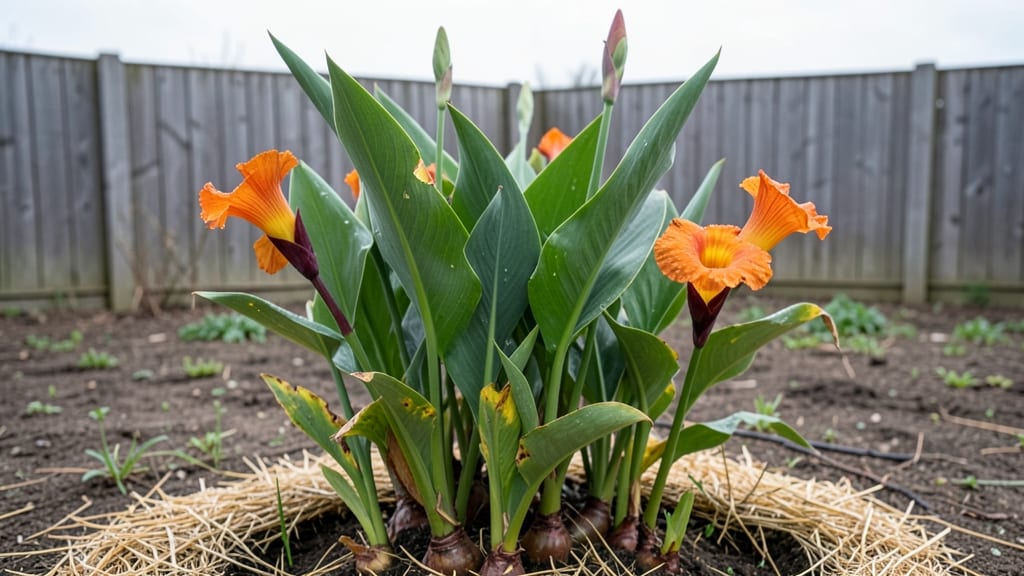
Rhizome flowering plants like cannas and irises turn your garden into a nonstop color show—if you time your pruning right. 🌿 I’ve learned that cutting back at the wrong moment can mean fewer blooms next season, but the right schedule keeps them flowering from early summer until frost.
The secret isn’t complicated: it’s about matching each plant’s natural growth cycle to your pruning calendar.
Most rhizomes need three key pruning moments: right after flowering to redirect energy, in late fall to protect roots, and in early spring to encourage new shoots. Cannas, for example, benefit from a hard cutback after frost, while irises prefer a gentler trim in late summer.
The soil stays warm enough for regrowth in most zones until mid-October, so don’t rush the final cuts.
You’ll end up with bold, repeat blooming plants that outperform store-bought annuals. The foliage stays lush, the stems stay sturdy, and you avoid the leggy, sparse look that comes from missed pruning.
Plus, dividing rhizomes every few years gives you free plants to share with neighbors—who won’t believe how easy it is to multiply them.
Works for containers, borders, or rain gardens, and adapts to partial shade in hotter climates. The calendar adjusts for your zone, so let’s get those shears ready for the first cut of the season.
📚 In This Guide
- What you need
- Instructions
- Tips and common mistakes
- Wrapping up and next steps
What you need
- ● Rhizome plants: Choose 3–5 varieties (e.g., Iris, Canna, Hosta, or Daylily). Start with 1–2 mature rhizomes per plant for a balanced look.
- ● Well-draining soil: 5–10 bags (1 cubic foot each) of a mix like peat-based potting soil or compost-amended garden soil (pH 6.0–7.0).
- ● Organic mulch: 2–3 bags of pine bark fines or straw (2–3 inches thick) to retain moisture and suppress weeds.
- ● Slow-release fertilizer: 1–2 bags of 10-10-10 NPK or a balanced organic fertilizer (e.g., fish emulsion).
- ● Pruning shears: 1 pair of bypass pruners (sharp, with a 5–6 inch blade) for clean cuts.
- ● Garden gloves: 1 pair of nitrile-coated gloves (for protection against thorns or sap).
- ● Trowel or spade: 1 stainless-steel hand trowel (for transplanting) and 1 round-point shovel (for digging).
- ● Watering can or hose: A 1-gallon watering can with a rose nozzle for precision.
- ○ Calendar or pruning journal: Optional but helpful for tracking deadheading and division schedules.
- ● Compost tea: 1 gallon to boost soil microbes and plant health.
- ● Plant supports: 2–3 bamboo stakes or coco fiber ties for tall varieties like Canna.
- ● Drip irrigation kit: For automated watering (great for busy gardeners!).
- ● Plant labels: 10–20 biodegradable tags to track varieties and pruning dates.
How to prune rhizome flowering plants for continuous blooms
Here’s my battle-tested calendar to keep your cannas, ginger lilies, and other rhizome beauties flowering all season.
🌱 Step 1: Early Spring Preparation (March-April)
Start by inspecting your rhizomes after the last frost. Look for any soft, mushy spots—these are signs of rot that need trimming immediately. Use clean, sharp pruners to snip away damaged areas, cutting back to healthy tissue. I always sterilize my tools with rubbing alcohol first to prevent spreading disease.
This is also the time to divide overcrowded clumps. Dig up rhizomes and separate sections with at least one growth bud per piece. Replant the divisions 2-3 inches deep in well-draining soil. Water lightly after planting, but don’t soak—rhizomes rot easily when waterlogged. You’ll see new shoots emerge within 2-3 weeks.
☀️ Step 2: Mid-Season Maintenance (May-July)
Once flowering begins, focus on deadheading spent blooms to encourage more flowers. Snip off faded flowers at the base of the stem, but leave the foliage intact—it’s the food factory that fuels future blooms. I check my plants weekly during peak season and remove any yellowing leaves too, as they drain energy from the rhizome.
Here’s the thing—if your plant looks leggy or overgrown, it’s telling you it needs more light. Most rhizome plants thrive in full sun to partial shade. If you notice stems stretching toward the light or leaves thinning, consider moving it to a sunnier spot or thinning nearby plants for better airflow.
✂️ Step 3: Late Summer Pruning (August-September)
As temperatures rise, your rhizome plants may slow down. This is the perfect time to give them a light trim. Cut back any dead or dying foliage to redirect energy to the rhizome for next year’s growth. I like to leave about half the plant intact—enough to keep photosynthesizing but not so much that it competes with the rhizome’s storage needs.
If you’re in a warm climate, reduce watering slightly now. Rhizomes store moisture, so they don’t need constant hydration. Let the top inch of soil dry out between waterings, and you’ll see stronger growth when you replant in spring. This is also when I fertilize lightly with a balanced 10-10-10 mix to boost rhizome reserves.
⏰ Step 4: Fall Cleanup (October-November)
Before the first frost, cut back all foliage to about 2 inches above the rhizome. This prevents rot and makes it easier to cover the plants for winter. I always mark their locations with stakes so I don’t accidentally dig them up in spring. In colder zones, mound 4-6 inches of mulch over the rhizomes to insulate them.
If you’re in a mild winter area, you can leave the mulch off but still trim back the foliage. The key is to stop watering entirely once the ground cools below 50°F. Rhizomes go dormant naturally, and extra moisture will only encourage rot. You’ll know they’re ready for winter when the leaves turn yellow and die back completely.
Tips & tricks for perfect season-long rhizome blooms
These simple tricks will help you keep your cannas and ginger lilies looking their best—and flowering nonstop—throughout the entire growing season.
The Early Spring Inspection: When you're checking for rot in Step 1, look for any blackened or hollow areas that might indicate over-wintering damage. These spots can spread quickly if not removed immediately. I've found that using a magnifying glass helps spot tiny rot spots you might otherwise miss. Also, make sure to wear gloves—some rhizomes can be quite sharp after winter dormancy.
Dividing Strategy: In Step 1, when dividing your rhizomes, aim for sections that have at least two growth buds. This gives each new plant the best chance to establish strong roots. I've learned the hard way that smaller divisions with just one bud often fail to thrive. After dividing, let the cut surfaces dry for about 10 minutes before planting—they'll root more successfully this way.
Light Requirements: The instructions mention full sun to partial shade, but here's what I've noticed: Most rhizome plants actually prefer morning sun and afternoon shade in hot climates. If you notice leaves turning yellow or crispy edges, it's often a sign of too much intense afternoon sun. Try moving your plants to a spot with dappled shade if this happens.
Fall Watering Wisdom: Remember that 50°F threshold from Step 4? That's your cue to stop watering completely. I've found that using a soil thermometer to check ground temperature is more reliable than guessing by the calendar. Also, if you live in a region with unpredictable winters, consider covering your mulched plants with a layer of frost cloth for extra protection.
Pro Tips for Rhizome Flowering Plants
- These simple tricks will help you keep your cannas and ginger lilies looking their best—and flowering nonstop—throughout the entire growing season.
- The Early Spring Inspection: When you're checking for rot in Step 1, look for any blackened or hollow areas that might indicate over-wintering damage.
- Dividing Strategy: In Step 1, when dividing your rhizomes, aim for sections that have at least two growth buds.
Frequently asked questions
Got questions about keeping your rhizome flowering plants blooming beautifully?
Here are some of the most common ones—and their answers!
When is the best time to prune rhizome flowering plants for maximum blooms?
Prune most rhizome plants like Canna or Hemerocallis (daylilies) right after flowering (late summer to early fall) to encourage next year’s blooms. For Iris, wait until 6–8 weeks after flowering to avoid cutting off next season’s buds. Always use clean, sharp tools to prevent disease!
Should I cut back rhizome plants in fall or wait until spring?
It depends! Hardy perennials (like Canna in warmer zones) can stay dormant with just a light trim. In colder climates, cut back dead foliage to 2–3 inches in late fall, then mulch heavily. Iris and Daylilies can be left until spring—they’ll regrow from the rhizome!
What do I do if my rhizome plant stops flowering?
Try these fixes:
Too much shade? Move to 6+ hours of sun (most rhizome plants thrive in full sun).
Overcrowded? Divide rhizomes every 3–4 years in early spring.
Poor soil? Amend with compost or slow-release fertilizer (high in phosphorus for blooms).
Can I propagate rhizome plants from cuttings?
Yes! For Canna or Caladium, separate rhizome sections with at least one "eye" (growth node) and replant in moist soil. Iris can be divided with a sharp knife, but let cuts heal for 1–2 days before replanting. Keep new divisions lightly watered until established!
Are there low-maintenance rhizome plants for beginners?
Try:
- Hemerocallis (Daylilies) – Drought-tolerant and blooms nonstop with minimal care.
- Canna – Fast-growing and thrives in heat/humidity.
- Hostas (technically rhizomatous) – Shade-loving and nearly foolproof.
All three forgive pruning mistakes and spread slowly for natural color!
Wrapping up and next steps
Rhizome flowering plants like cannas, irises, and daylilies bring vibrant color to gardens year-round—but their magic hinges on smart pruning! By mastering a seasonal calendar and using the right tools, you’ll keep them thriving while minimizing stress. Whether you’re trimming back winter-dormant foliage or shaping summer blooms, consistency is key.
Ready to level up your garden? Start small: pick one rhizome plant this season, follow the pruning guide, and observe how it responds. Before you know it, you’ll be a pro—with blooms that steal the show! 🌸✂️