
Companion Plants
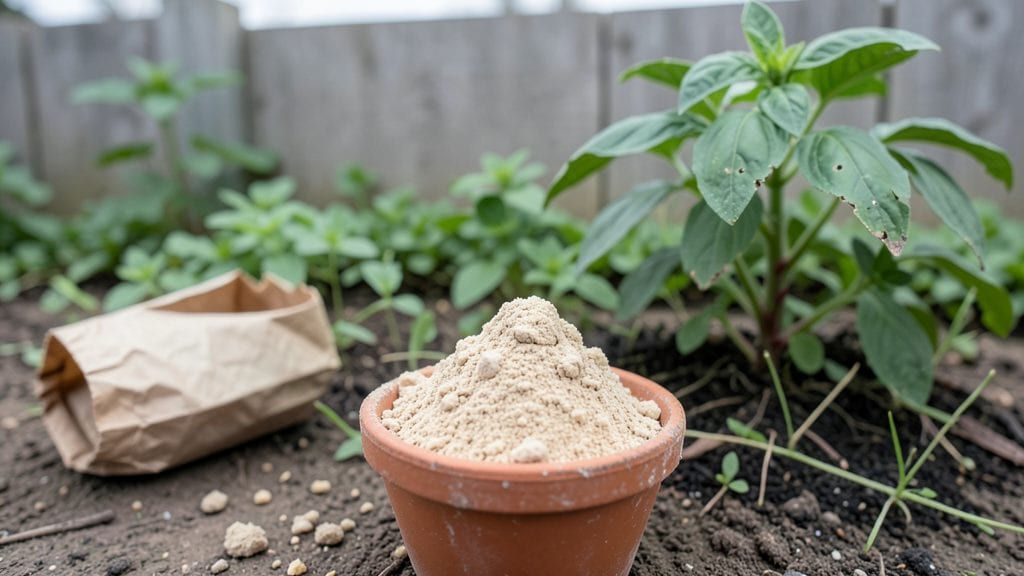
Using pyrethrin for plants provides a natural insecticide option that comes from chrysanthemum flowers, targeting common pests like aphids, mites, and caterpillars while breaking down quickly in sunlight. It’s perfect for organic gardening when applied properly to protect beneficial insects and plants.
Pyrethrin works by overstimulating insects' nervous systems, causing paralysis and death within minutes. 🌿 Unlike synthetic pesticides, it degrades rapidly when exposed to sunlight, which is why gardeners apply it in the early morning or evening.
This makes it safer for pollinators like bees, as long as you avoid spraying when flowers are open. I’ve found that mixing it with neem oil or insecticidal soap enhances its effectiveness against soft-bodied pests while keeping the garden ecosystem balanced.
For best results, always dilute pyrethrin according to the label instructions—typically 1 to 2 teaspoons per gallon of water—and reapply every 7 to 10 days during peak pest seasons. Wearing gloves and a mask is wise, as concentrated forms can irritate skin or eyes.
This natural insecticide shines in organic gardening because it offers strong pest control without leaving harmful residues, making it a go-to for those committed to chemical-free growing methods.
💡 In This Article
- How Pyrethrin Kills Insects Naturally
- Safe Application Tips for Pyrethrin in Gardens
How pyrethrin kills insects naturally
Pyrethrin works by hijacking insects' nervous systems in a process called neurotoxicity. When insects come into contact with it, pyrethrin binds to sodium channels in their nerve membranes, causing them to remain open longer than normal.
This triggers rapid, uncontrolled nerve impulses that lead to muscle spasms, paralysis, and death within 10-30 minutes—a process called knockdown effect.
What's fascinating is that this mechanism is highly specific to insects; mammals and birds lack the same sodium channel structure, making pyrethrin relatively safe for humans and pets when used correctly. 🔥
The compound's selectivity extends to beneficial insects too, but not all. While bees and butterflies have some resistance due to their grooming behaviors (they remove residues from their bodies), smaller pests like aphids and mites lack this ability.
Pyrethrin's 0.001-0.005% concentration in commercial sprays is potent enough to kill these pests but often spares larger pollinators if applied properly. Synthetic pyrethroids, its chemical cousins, last 30-60 days in soil, while natural pyrethrin breaks down in 24-48 hours—a key difference for organic gardeners.
Sunlight accelerates pyrethrin's breakdown through photodegradation, where ultraviolet rays break its molecular bonds. This is why gardeners apply it at dawn or dusk—it gives the spray time to work before UV exposure.
The process creates harmless byproducts that don't persist in the environment. For comparison, synthetic pyrethroids require 100-1000 times more sunlight exposure to degrade, which is why they're considered more persistent in ecosystems. 🌞
Here's what happens at the cellular level: Pyrethrin disrupts the voltage-gated sodium channels in insect nerves, preventing them from resetting after firing. This creates a positive feedback loop of nerve signals, leading to muscle contractions that eventually exhaust the insect's nervous system.
The effect is immediate for soft-bodied pests like aphids but may take longer for harder-shelled insects like beetles, which require direct contact with the spray. This is why mixing pyrethrin with a sticker agent (like vegetable oil) improves adhesion and efficacy.
One common misconception is that pyrethrin kills all insects equally. In reality, its effectiveness varies by species. For example, it's 95% effective against caterpillars within 24 hours but only 70% effective against whiteflies due to their faster movement and waxy coatings.
This variability is why gardeners often combine pyrethrin with other organic controls like kaolin clay or beneficial nematodes for comprehensive pest management. The key is understanding which pests are most vulnerable to its neurotoxic action.
Compared to synthetic pyrethroids, natural pyrethrin has a lower toxicity profile for mammals but requires more frequent applications. While synthetics like permethrin can remain effective for weeks, natural pyrethrin's rapid breakdown means gardeners must reapply every 7-14 days during peak pest seasons.
This frequent application is actually an advantage in organic systems, as it minimizes residue buildup in soil and waterways—a common concern with synthetic alternatives. 🌱