
Companion Plants
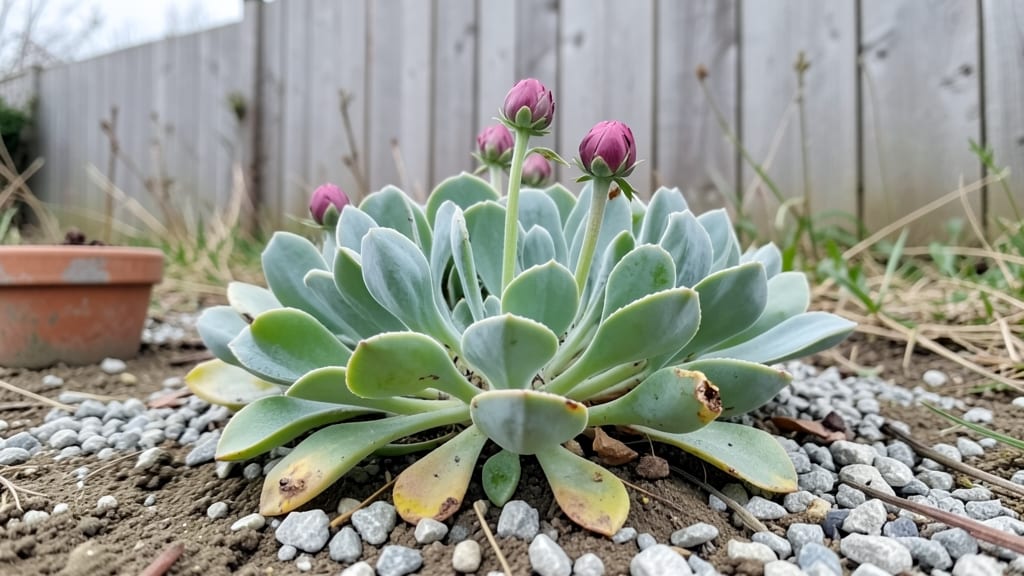
My apartment patio plants transformed a concrete slab into a lush green oasis—proving you don’t need a yard to grow a thriving garden. 🌿 The right compact varieties turn even the tiniest balcony into a productive, fragrant space without the fuss of sprawling vines or high-maintenance blooms.
Start with plants that fit your light conditions: leafy greens like Swiss chard or kale for shade, dwarf tomatoes or peppers for sun, and herbs like basil or thyme that stay tidy in 1-gallon pots.
Most need just 6-8 hours of sunlight and can share containers with compatible companions—think lettuce with radishes or mint with oregano. The key is matching plant needs to your space, not the other way around.
By midsummer, you’ll have a patio that smells like fresh herbs, looks like a miniature farm, and produces more greens than you can eat. The best part?
No weeding, no bending over, and no neighbor complaints about overgrown plants. Even a 4-foot-wide balcony can become a productive little garden with the right layout.
Works for city balconies, fire escapes, or rooftop decks—just adjust the containers and sunlight exposure. Let’s turn that concrete jungle into a green retreat without the yard-sized commitment.
📚 In This Guide
- What you need
- Instructions
- Tips and common mistakes
- Wrapping up and next steps
What you need
- ● Potted Plants: 3–5 compact, patio-friendly varieties (e.g., succulents, herbs, ferns, or dwarf citrus). Choose plants labeled as "container-friendly" or "small-space suitable."
- ● Containers: 3–5 pots (sizes: 6–12 inches in diameter, with drainage holes). Materials: terracotta, ceramic, or lightweight plastic.
- ○ Optional: Hanging planters (for vertical space) or self-watering pots (for convenience).
- ● Potting Mix: 1–2 bags of well-draining, organic soil mix (avoid garden soil—it compacts!). Look for labels like "container mix" or "cactus/succulent blend" if planting drought-tolerant species.
- ● Drainage: Small pebbles or gravel (1–2 cups per pot, for bottom layer).
- ○ Optional: Coconut coir or perlite (for extra aeration).
- ● Fertilizer: Slow-release granules or liquid fertilizer (e.g., balanced 10-10-10 or organic options like fish emulsion).
- ● Tools: Trowel or small hand shovel.
- ○ Gloves (optional, for messy hands!).
- ● Watering can or spray bottle (with a gentle mist setting for delicate plants).
- ○ Optional: Pruning shears (for trimming herbs or leggy plants).
- ● Sunlight Assessment: Measure your patio’s sunlight exposure (e.g., full sun 6+ hrs, partial shade 3–6 hrs, or low light <3 hrs). Choose plants that match your space!
- ● Water Access: Ensure a nearby water source (or a portable watering station).
- ● Space Planning: Sketch a rough layout of your patio, including furniture, walkways, and plant placements. Aim for 12–18 inches of spacing between pots for airflow.
- ● Weather Check: If in a chilly climate, have frost cloth or microfiber blankets on hand for tender plants.
Step-by-step guide to choosing and caring for apartment patio plants
Here’s how to transform even the tiniest balcony into a lush, thriving green space.
🪴 Step 1: Select the Right Containers and Drainage
Start with containers that have drainage holes—no exceptions. Without them, roots will suffocate and plants will rot. I use a mix of hanging baskets, shallow troughs, and 10-12 inch pots for variety. Terra cotta pots work best because they breathe and wick away excess moisture, but plastic holds heat better in cooler climates.
Place a layer of gravel or broken pottery in the bottom of each container before adding soil. This ensures water drains freely without clogging the holes. If you’re using a decorative cache pot, make sure the inner planter has holes—never rely on the outer shell alone.
🌱 Step 2: Choose Compact, High-Tolerance Plants
For small spaces, prioritize slow-growing, shallow-rooted plants that tolerate container life. My go-to picks are parsley, chives, dwarf basil, and trailing thyme—all thrive in 6+ hours of sun but can handle partial shade too. Avoid anything over 12 inches tall unless you’re okay with pruning regularly.
Check plant tags for “container-friendly” labels—this means they’re bred to handle root restriction. If you’re unsure, start with herbs or lettuce; they’re forgiving and productive. Skip anything labeled “sprawling” or “aggressive”—those need room to stretch.
☀️ Step 3: Position Plants for Light and Airflow
Most apartment patios get partial shade—use that to your advantage. Place sun-loving plants (like basil) near railings where they’ll catch morning sun, then move them to shade by afternoon. If your space is fully shaded, opt for mint, Swiss chard, or lemon balm—they’ll still flourish.
Space containers at least 6 inches apart to allow airflow. Crowding invites fungal diseases and attracts pests. Group plants with similar water needs together—like all herbs in one area and lettuce in another—to simplify care.
💧 Step 4: Water Deeply but Infrequently
Water only when the top inch of soil feels dry—stick your finger in to check. Overwatering is the #1 killer of patio plants, especially in containers. I use a watering can with a narrow spout to direct moisture to the roots without wetting leaves, which reduces disease risk.
Morning is the best time to water—it gives plants a full day to dry out before evening. If you’re away often, use self-watering planters or moisture crystals (like those in the ingredients list) to keep soil evenly damp. Never let containers sit in saucers of water overnight.
✂️ Step 5: Prune and Harvest Regularly
Pinch back leggy growth as soon as you see it—this encourages bushier, more compact plants. For herbs like basil, snip leaves from the top third of the stem to promote new growth. Harvest every 2-3 weeks to prevent bolting (when plants flower and go to seed prematurely).
Deadhead spent blooms immediately—even in herbs—to redirect energy into leaf production. If a plant outgrows its space, don’t hesitate to trim it back by one-third. Most herbs regrow quickly, and you’ll end up with a fuller, healthier plant.
Tips & tricks for perfect apartment patio plants
Transforming a tiny balcony into a thriving garden takes more than just good intentions—it's about smart choices that prevent common mistakes. Here's what I've learned after keeping plants in small spaces for years.
Container Material Matters: Terra cotta pots are my go-to for herbs like parsley and chives because they wick away excess moisture, which is crucial in small spaces where soil dries out faster. However, in cooler climates, plastic pots retain heat better during chilly mornings. If you're using decorative cache pots, always double-check that the inner planter has drainage holes—this is where most people go wrong and end up with waterlogged roots.
Sunlight Strategy: Most apartment patios get partial shade, so I rotate my containers throughout the day. Place sun-loving plants like basil near railings in the morning to catch direct sunlight, then move them to shaded areas by afternoon. For fully shaded spaces, choose shade-tolerant varieties like mint or Swiss chard—these will still produce well without demanding full sun. The key is observing how your plants look after a few days to adjust their positions accordingly.
Pruning for Productivity: Regular pruning isn't just about keeping plants tidy—it's about encouraging growth. When you pinch back leggy growth as soon as you see it, you're telling the plant to focus on becoming bushier rather than stretching toward the light. For herbs like basil, always snip from the top third of the stem to promote new growth lower down. I harvest every 2-3 weeks, which prevents bolting (when plants flower and go to seed) and keeps them producing fresh leaves for longer.
Watering Wisdom: The finger test is your best friend—stick your finger about an inch into the soil. If it feels dry, it's time to water. I've ruined more plants than I care to admit by overwatering, so I always water deeply but infrequently. Morning watering is ideal because it gives plants time to dry out before evening, reducing the risk of fungal diseases. For those busy weeks, self-watering planters or moisture crystals are absolute lifesavers—they keep soil evenly damp without you having to remember to water daily.
Pro Tips for Apartment Patio Plants
- Transforming a tiny balcony into a thriving garden takes more than just good intentions—it's about smart choices that prevent common mistakes.
- Container Material Matters: Terra cotta pots are my go-to for herbs like parsley and chives because they wick away excess moisture, which is crucial in small spaces where soil dries out faster.
- Sunlight Strategy: Most apartment patios get partial shade, so I rotate my containers throughout the day.
Frequently asked questions
Got questions about transforming your tiny patio into a lush green oasis?
You’re not alone! Here are answers to the most common queries about apartment patio plants—so you can grow with confidence, even in limited space.
What are the best low-maintenance plants for small patios?
Opt for hardy, compact varieties like snake plants, pothos, or succulents—they thrive in pots, need minimal water, and tolerate shade. Herbs like basil or mint are also great for beginners! Just ensure your patio gets at least 4–6 hours of sunlight daily for most greens.
How do I choose the right pot size for my plants?
Start with pots 1–2 inches larger than the plant’s root ball to allow growth without overcrowding. For herbs or small succulents, 6–8 inch pots work well. Larger plants (like dwarf citrus trees) need 10+ inch containers. Always include drainage holes to prevent root rot!
Can I grow plants on a balcony with no direct sunlight?
Choose shade-tolerant plants like cast iron plants, ferns, or peperomia. Place pots near reflective surfaces (like white walls) to maximize indirect light. If your space is super dark, consider LED grow lights for 6–8 hours daily.
How often should I water patio plants in small pots?
Check soil moisture daily—stick your finger 1 inch deep. Water when dry, but avoid soggy soil. Succulents need water every 2–3 weeks, while herbs may need weekly watering. Morning watering prevents evaporation and fungal growth. Overwatering is the #1 killer of potted plants!
What should I do if my patio plants get pests?
Start with neem oil spray (mix 1 tsp with 1 quart water) for aphids or spider mites. For soil pests, repot and rinse roots. Prevent pests by avoiding overcrowded pots, removing dead leaves, and rotating plants for airflow. If infestations persist, try insecticidal soap (follow label instructions).
How do I protect plants from extreme heat or cold?
Move pots to shadier spots during heatwaves and use lightweight mulch to retain moisture. For cold snaps (<32°F), wrap pots in bubble wrap or move them indoors. Succulents can handle brief chills, but tropical plants (like ferns) need consistent temps above 50°F.
Wrapping up and next steps
Transforming your apartment patio into a lush, green oasis is easier than you think! With the right compact patio plants, you can bring nature’s beauty to even the smallest spaces—whether it’s a sunny balcony or a cozy corner.
From hardy succulents to fragrant herbs, these plants not only thrive in tight quarters but also boost your mood and air quality. 🌿
Ready to get started? Pick one or two plants that suit your space and light conditions, then grab your gardening tools—your patio’s new green makeover awaits! 🌱 Browse our plant care guides to keep your mini garden flourishing all season long.