
Planting
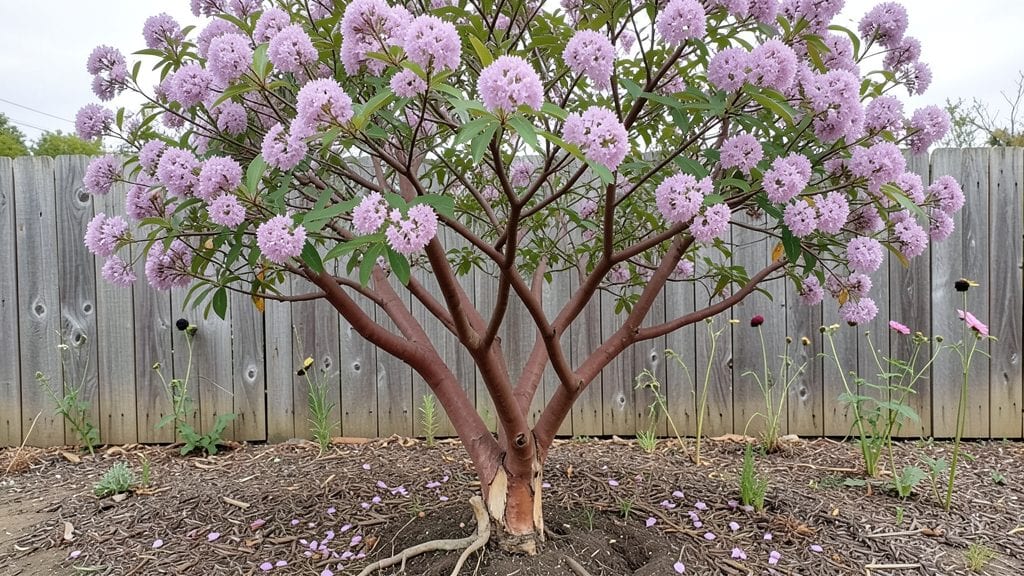
A purple plant tree turns a small garden into a showstopper with just one dramatic vertical accent. 🌿 I’ve always loved how these trees steal the show without taking over space—whether it’s the deep burgundy leaves of Cercis canadensis ‘Forest Pansy’ or the cascading purple blooms of Lagerstroemia ‘Natchez.’
These trees thrive in well-drained soil and full sun, making them perfect for urban yards or cramped backyards. Pair them with silver foliage plants like lamb’s ear or white blooms like hydrangeas to create a striking contrast. Their seasonal interest keeps the garden lively from spring through fall.
You’ll love how they anchor a garden bed while adding height and color that no shrub or perennial can match. The right purple plant tree makes every corner feel intentional, even in tight spaces. Let’s explore the best varieties for your garden’s style.
From compact cultivars to weeping branches, there’s a purple plant tree that fits any small-space vision. Whether you want bold foliage or romantic blooms, these trees deliver drama without the footprint.
📚 In This Guide
- What you need
- Instructions
- Tips and common mistakes
- Wrapping up and next steps
What you need
- ● Purple plant tree: Option 1: Seeds (e.g., Cercis canadensis ‘Alba’ or Lagerstroemia ‘Natchez’—purple-leaved varieties). Quantity: 3–5 seeds (germination rates vary).
- ● Option 2: Young sapling (1–2 years old, 12–18 inches tall). Quantity: 1.
- ● Option 3: Mature tree (3–5 feet tall, potted or bare-root). Quantity: 1.
- ● Container or planting hole: For potted trees: Large container (15–20 gallons, with drainage holes). Material: Fiberglass, ceramic, or high-quality plastic.
- ● For in-ground planting: Hole twice as wide and slightly shallower than the root ball.
- ● Well-draining soil: Potting mix: 50% high-quality garden soil, 30% compost, 20% perlite or sand (for aeration). Quantity: Enough to fill the container or hole.
- ● Mulch: 2–3 inches of organic mulch (e.g., shredded bark or wood chips).
- ● Tools: Trowel or spade (for planting).
- ● Garden gloves (to protect your hands).
- ● Watering can or hose (with gentle spray nozzle).
- ● Pruning shears (for shaping or trimming).
- ● Fertilizer: Slow-release balanced fertilizer (10-10-10) or organic options like compost tea or worm castings.
- ● Tree support: Stake and ties (if planting in windy areas or using a young sapling).
- ● Epsom salt: 1 tablespoon mixed into soil (boosts magnesium for vibrant purple foliage).
- ● Decorative elements: Solar-powered garden lights, colorful pebbles, or a small trellis (for added visual interest).
Step-by-step guide to creating a striking purple plant tree feature
This bold vertical display transforms any small garden into a showstopper—here’s how to build it right.
🌱 Step 1: Select and Prepare Your Base Container
Choose a sturdy 5-gallon container (or larger) with drainage holes—this will anchor your vertical structure. I like to use a deep, narrow pot for stability, especially if your garden gets windy. Line the bottom with 2 inches of gravel to ensure proper drainage and prevent root rot.
Fill the container halfway with a well-draining potting mix designed for container plants. Avoid garden soil—it compacts and suffocates roots. Tap the container gently on the work surface to settle the mix without compacting it too tightly. The goal is a loose, airy medium that allows roots to spread easily.
✂️ Step 2: Choose and Prune Your Purple Plants
For maximum drama, select plants with deep purple foliage like purple leaf plum, purple smoke bush, or purple heart. Start with 4-6 healthy plants (since you’re creating a tree-like structure). Prune each plant back by one-third to encourage bushier growth and better branching.
Remove any yellow or damaged leaves before planting. This ensures your display looks vibrant from day one. If using bare-root plants, soak their roots in water for 15-20 minutes before planting to revive them. You’ll know they’re ready when the roots look plump and flexible, not brittle.
🪴 Step 3: Layer and Plant for a Tree-Like Structure
Plant the largest, most mature plant in the center of the container as your "trunk." Surround it with the remaining plants, spacing them 4-6 inches apart to create a full, layered look. Arrange smaller plants around the edges to mimic natural branching.
Press the soil gently around each plant’s base to secure it without compacting the roots. Water thoroughly right after planting to help the soil settle. The top of the container should now resemble a lush, rounded canopy—like a miniature purple tree. If gaps appear, add a few trailing purple plants to fill them in.
☀️ Step 4: Position for Light and Maintenance
Place your purple plant tree in a location with at least 6 hours of sunlight daily. Purple foliage plants thrive in full sun, but if your garden is shady, choose varieties like purple fountain grass that tolerate lower light. Rotate the container a quarter turn weekly so the plant grows evenly, not leaning toward the light.
Water when the top 1-2 inches of soil feel dry. Purple plants are drought-tolerant once established, but containers dry out faster than garden beds. In hot weather, you may need to water every 2-3 days. Avoid wetting the leaves to prevent fungal issues—water at the base instead.
💧 Step 5: Fertilize and Prune for Long-Term Drama
Feed your purple plant tree with a balanced liquid fertilizer (10-10-10 ratio) every 4-6 weeks during the growing season. Purple foliage plants respond well to regular feeding but avoid over-fertilizing—this can lead to weak growth and less vibrant color. Always water the plant first before applying fertilizer to prevent root burn.
Prune lightly in early spring to shape the plant and remove any dead or leggy growth. You can also trim back by one-third after flowering to encourage denser foliage. The key is to maintain that full, tree-like shape. With consistent care, your purple plant tree will stay striking for years—adding color and height to even the smallest garden.
Tips & tricks for perfect purple plant tree
Creating a stunning purple plant tree takes a few thoughtful touches that make all the difference between a nice arrangement and a showstopper.
Container Selection: Don't overlook the container's impact on stability and drainage. I recommend using a container with built-in feet or saucers to prevent water damage to surfaces. For windy areas, anchor the container with stakes or place it near a wall or fence. The 5-gallon size is perfect for most small gardens, but if you're using larger plants, go up to 7 gallons for better stability.
Plant Selection Tip: For that true tree-like shape, mix plant heights strategically. Place your tallest plant in the center as the "trunk," then choose progressively shorter plants for the outer layers. This creates natural depth and movement. Purple leaf plum works beautifully as a centerpiece, while trailing plants like purple heart add cascading interest to the edges.
Pruning Wisdom: That one-third pruning in Step 2 isn't just about shaping—it's about encouraging bushier growth. When you remove those outer stems, you're redirecting the plant's energy to produce more branches and leaves. This creates that lush, full look we're aiming for. Remember to use clean, sharp pruners to avoid damaging the stems.
Watering Strategy: The 1-2 inch soil dryness test is key, but there's a trick to it. Use your finger to check moisture—don't rely on visual cues alone. In hot weather, I find checking soil moisture in the morning gives the most accurate reading since evening watering can leave the top layer damp. Consider adding a moisture meter for precise readings if you're really committed to your purple plant tree's success.
Pro Tips for Purple Plant Tree
- Creating a stunning purple plant tree takes a few thoughtful touches that make all the difference between a nice arrangement and a showstopper.
- Container Selection: Don't overlook the container's impact on stability and drainage.
- Plant Selection Tip: For that true tree-like shape, mix plant heights strategically.
Frequently asked questions
What’s the best time of year to plant a purple plant tree?
For optimal growth, plant your purple plant tree in early spring or early fall. This gives roots time to establish before extreme heat or cold. Avoid planting in late summer—hot weather can stress young trees. If you’re in a mild climate, fall planting (September–October) is ideal for a head start on spring blooms!
How much sunlight does a purple plant tree need?
Most purple plant trees (like Lagerstroemia or Cercis canadensis varieties) thrive in full sun (6+ hours daily). However, some types (e.g., Clerodendrum) tolerate partial shade. Check your specific variety’s care guide—overly shady spots may reduce vibrant foliage or flowering. South-facing spots are perfect for maximizing color!
Why isn’t my purple plant tree turning purple?
If your tree’s leaves are green instead of purple, it might be due to too much sunlight, over-fertilizing with nitrogen, or immature foliage. Purple hues often develop with stress (like drought) or as leaves mature. Try pruning to improve airflow or adjusting watering—consistent moisture (not soggy soil) can encourage deeper pigments. Patience helps too!
Can I grow a purple plant tree in a container?
Yes! Dwarf varieties (like Lagerstroemia ‘Natchez’) work well in large containers (15+ gallons) with drainage holes. Use well-draining soil and repot every 2–3 years. Place containers in sunny spots and water regularly—containers dry out faster than ground soil. Just ensure the pot is sturdy to support the tree’s weight as it grows!
What’s the easiest way to prune a purple plant tree for shape?
Prune in late winter or early spring before new growth starts. Use clean, sharp shears to remove dead branches first, then shape by cutting just above a leaf bud (at a 45° angle). Avoid heavy pruning—focus on thinning out crowded areas. For a natural look, step back occasionally to guide your cuts. Gloves help protect against thorns on some varieties!
Wrapping up and next steps
Adding a purple plant tree to your small garden isn’t just about aesthetics—it’s a bold statement that transforms space with color, texture, and life. Whether you choose the striking Cercis canadensis or a vibrant Clerodendrum thomsoniae, these trees bring drama while thriving in tight spaces.
Their unique hues and adaptability make them perfect for urban gardens, balconies, or cozy corners.
Ready to elevate your outdoor space? Start by selecting the right variety for your climate and sunlight, then gather your tools and get planting! 🌱 With a little care, your purple plant tree will reward you with years of stunning beauty—and maybe even a few curious compliments from neighbors.
Happy gardening!