
Companion Plants
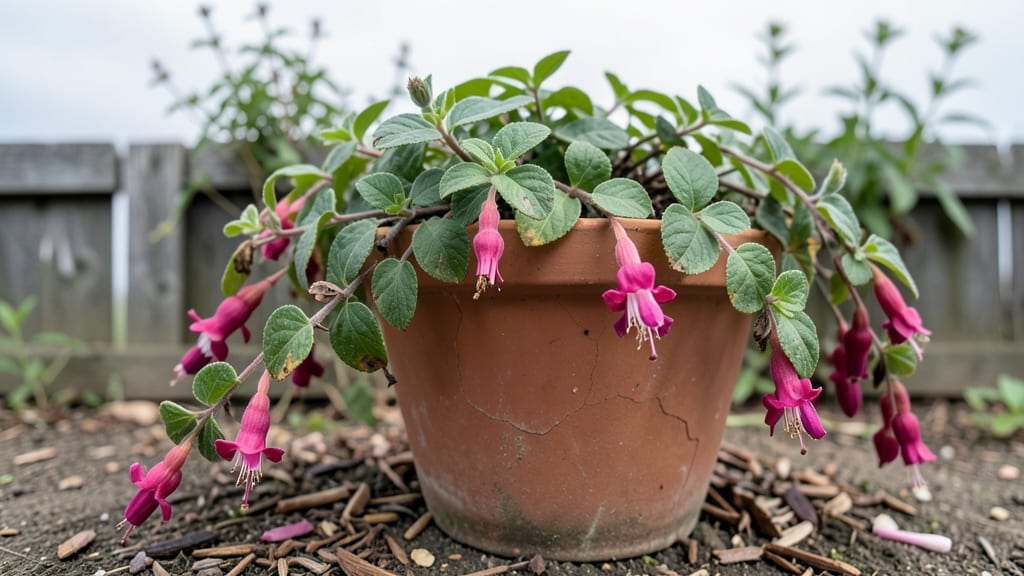
Growing fuchsia trailing plants transforms any patio or balcony into a cascading waterfall of color. 🌿 I’ve grown these delicate beauties for years, and their velvety blooms—swinging like tiny chandeliers—make them the star of every hanging basket.
The key lies in matching their needs to their natural tropical habits, which isn’t complicated once you know the right balance of light, water, and pruning.
Start with a well-draining potting mix rich in organic matter, and choose varieties like Fuchsia magellanica or Fuchsia boliviana for their long, graceful stems. These plants thrive in morning sun and afternoon shade, and their roots appreciate consistent moisture without soggy soil.
A 12-inch hanging basket gives them room to trail elegantly, while regular pinching encourages bushier growth and more blooms.
By mid-summer, your baskets will be heavy with blossoms, their colors ranging from deep magenta to soft pink. The secret to their longevity? Pruning spent flowers and leggy stems in early spring to keep them compact and vibrant.
Even in cooler climates, they’ll reward you with blooms until the first frost—if you protect them with a light frost cloth.
For those who want to multiply their collection, propagation from 4-6 inch cuttings in spring is foolproof. Simply dip the stems in rooting hormone, plant in moist perlite, and keep them under a humidity dome until roots form.
Troubleshooting leggy growth or pests like aphids is simple with the right care—just a quick spray of neem oil or a dose of balanced fertilizer keeps them thriving.
📚 In This Guide
- What you need
- Instructions
- Tips and common mistakes
- Wrapping up and next steps
What you need
- ● Fuchsia trailing plants: 3–5 plants per 12-inch basket (choose varieties like Fuchsia 'Giant Marble' or Fuchsia 'Trailing Pink' for maximum impact).
- ● Hanging baskets: 1–2 baskets (12–16 inches in diameter) with drainage holes. Coconut fiber or plastic baskets work best.
- ● Potting mix: 1–2 bags of well-draining, peat-based mix (or a blend of 60% peat moss, 30% perlite, and 10% compost).
- ● Slow-release fertilizer: 1 packet of balanced, water-soluble fertilizer (10-10-10 or 20-20-20).
- ● Moss or sphagnum: 1 small bag (for securing plants and retaining moisture).
- ● Garden gloves: 1 pair (to protect your hands from prickly stems).
- ● Pruners or sharp scissors: 1 pair (sterilized with rubbing alcohol).
- ● Watering can or spray bottle: 1 (with a fine rose nozzle for gentle watering).
- ○ Stakes or plant ties: 2–3 (optional, for support during initial growth).
- ● Sunlight access: Partial shade (4–6 hours of morning sun or dappled light).
- ● Decorative basket liners (for a polished look).
- ● Epsom salt (1 tbsp/month for magnesium boost).
- ● Hanging planter hook or macramé kit (for stylish display).
Step-by-Step guide to creating lush fuchsia trailing baskets
Here's how I transform simple baskets into cascading floral displays that thrive all season.
🪴 Step 1: Select and Prepare the Hanging Baskets
Choose 4-inch diameter hanging baskets with sturdy wire frames and built-in saucers. I prefer coconut fiber liners because they retain moisture while allowing excess to drain—critical for fuchsias that hate soggy roots. Line each basket by pressing the liner into the wire frame, then trim any excess material hanging over the edges.
Place each basket on a flat surface and fill ¾ full with the 2 gallons of lightweight potting mix. The mix should be moist but not dripping—fuchsias prefer consistent moisture without waterlogging. Gently press the soil down to remove air pockets, then create a 2-inch deep planting well in the center of each basket.
🌱 Step 2: Plant the Fuchsia Trailing Stems
Remove each fuchsia plant from its nursery pot and gently loosen the roots if they appear compacted. Place 1 plant per basket, positioning it so the crown sits just below the soil surface—never buried deeper than ½ inch. The trailing stems should drape naturally over the basket edges.
Fill the planting well with additional potting mix, pressing lightly to eliminate air gaps. Water immediately until moisture runs from the saucer below—this helps settle the soil and removes any air pockets around the roots. I like to add 1 tablespoon of balanced 10-10-10 fertilizer mixed into the top inch of soil for an initial nutrient boost.
☀️ Step 3: Position for Optimal Light and Airflow
Fuchsias crave bright, indirect light—think morning sun with afternoon shade. Place baskets where they receive 4-6 hours of filtered sunlight daily. A covered patio or beneath a 30% shade cloth works perfectly. Direct midday sun will scorch leaves, while too little light produces sparse blooms.
Ensure 3-4 inches of space between baskets to promote airflow—this prevents fungal diseases like powdery mildew. I rotate my baskets quarter-turn weekly so all sides receive even light exposure. Watch for stems growing toward the light; this signals you need to adjust their position or supplement with a grow light for 12-14 hours daily if natural light is insufficient.
💧 Step 4: Establish a Consistent Watering Routine
Water when the top inch of soil feels dry—typically every 2-3 days in warm weather. I use a watering can with a narrow spout to direct moisture to the soil surface without disturbing the trailing stems. Always water until you see moisture emerge from the saucer below, then allow it to drain completely.
Fuchsias are thirsty but hate soggy roots. During hot, dry spells, I increase frequency to daily watering while ensuring the saucer never holds standing water. Mist the foliage lightly in the morning to boost humidity—this encourages vibrant blooms and prevents leaf edges from browning.
✂️ Step 5: Prune and Fertilize for Continuous Blooms
Pinch back leggy stems by ⅓ their length when they reach 6 inches to encourage bushier growth. Remove any yellowed or spent blooms immediately—they sap energy that could fuel new flowers. I also trim any stems that grow longer than 2 feet to maintain a balanced, cascading shape.
Feed plants every 4 weeks with ½ strength liquid fertilizer (like 10-10-10). I switch to a phosphorus-rich formula (like 5-10-5) when buds form to promote abundant blooming. Stop fertilizing 6 weeks before the first frost to allow plants to harden off naturally.
Tips & tricks for vibrant fuchsia trailing baskets
These game-changing techniques will help your fuchsia trailing baskets thrive and bloom like a pro's display—without the guesswork.
Liner Placement Matters: When pressing the coconut fiber liner into the wire basket frame, leave a ½-inch overhang around the edges. This prevents soil from spilling through while still allowing excess water to drain. I've seen too many baskets collapse when the liner doesn't grip properly—this simple step keeps everything stable.
Root Loosening Technique: In Step 2, when loosening compacted roots, use your fingers to gently separate the root ball rather than pulling. This prevents root damage while still encouraging outward growth. If you notice roots growing in tight circles, make a few small vertical cuts with clean scissors to promote better soil penetration.
Light Rotation Hack: The quarter-turn weekly rotation in Step 3 isn't just about even light exposure—it's also a way to detect early signs of pests. If you notice aphids clustering on one side, the rotation will help distribute them evenly (so you can treat them all at once) rather than letting them take over one side completely.
Watering Visual Cue: For the top-inch soil moisture check in Step 4, stick your finger in about 1 inch deep. If it comes out clean, water immediately. If it has moisture, wait another day. The key is consistency—fuchsias hate both drought and soggy conditions. I keep a small notebook by my baskets to track watering days and patterns.
Pro Tips for Fuchsia Trailing Plants
- These game-changing techniques will help your fuchsia trailing baskets thrive and bloom like a pro's display—without the guesswork.
- Liner Placement Matters: When pressing the coconut fiber liner into the wire basket frame, leave a ½-inch overhang around the edges.
- Root Loosening Technique: In Step 2, when loosening compacted roots, use your fingers to gently separate the root ball rather than pulling.
Frequently asked questions
Got questions about growing fuchsia trailing plants? You’re not alone! Here are answers to the most common queries—from care tips to troubleshooting—so you can keep your hanging baskets blooming beautifully all season.
How do I encourage my fuchsia trailing plants to bloom more?
Fuchsias thrive with bright, indirect light—think morning sun or dappled shade. Pinch back leggy stems in early spring to promote bushier growth, and fertilize every 2–3 weeks with a balanced liquid fertilizer (like 10-10-10) during the growing season. Deadhead spent blooms to redirect energy to new flowers!
Can fuchsia trailing plants survive winter?
Most fuchsias are tender perennials and won’t survive freezing temps. In cold climates, bring potted trailing fuchsias indoors before frost (around 50°F/10°C). Place them near a sunny window or under grow lights, and reduce watering. With proper care, they’ll bounce back come spring!
Why are my fuchsia leaves turning yellow or dropping?
Yellow leaves often signal overwatering or root rot. Ensure pots have drainage holes and water only when the top inch of soil feels dry. Check for pests like aphids or spider mites on the undersides of leaves—treat with neem oil if needed. If the problem persists, repot in fresh, well-draining soil.
What are the best companion plants for trailing fuchsias?
Pair fuchsias with complementary textures and colors for a stunning display! Try:
- Sweet potato vine (for lush, chartreuse foliage)
- Calibrachoa (tiny petunias that spill like fuchsias)
- Lobelia (for blue/purple contrast)
- Ivy or creeping thyme (for ground cover)
How often should I repot my trailing fuchsia?
Repot every 1–2 years or when roots circle the pot. Choose a container 1–2 inches larger with drainage holes, and use a light, airy potting mix (like a 50/50 blend of peat moss and perlite). Prune 1/3 of the plant before repotting to encourage fuller growth. Pro tip: Spring is the best time!
Wrapping up and next steps
Fuchsia trailing plants bring a burst of color and life to any garden or patio, creating stunning hanging baskets that thrive with minimal fuss. Whether you’re a seasoned gardener or just starting out, their vibrant blooms and easy-care nature make them a must-have for year-round beauty.
Now that you’re armed with the perfect mix of soil, sunlight, and care tips, it’s time to roll up your sleeves and watch your space transform!
Ready to dive in? Grab your baskets, gather your supplies, and start planting today! Your future blooms will thank you—and so will your neighbors! 🌸✨