Pruning
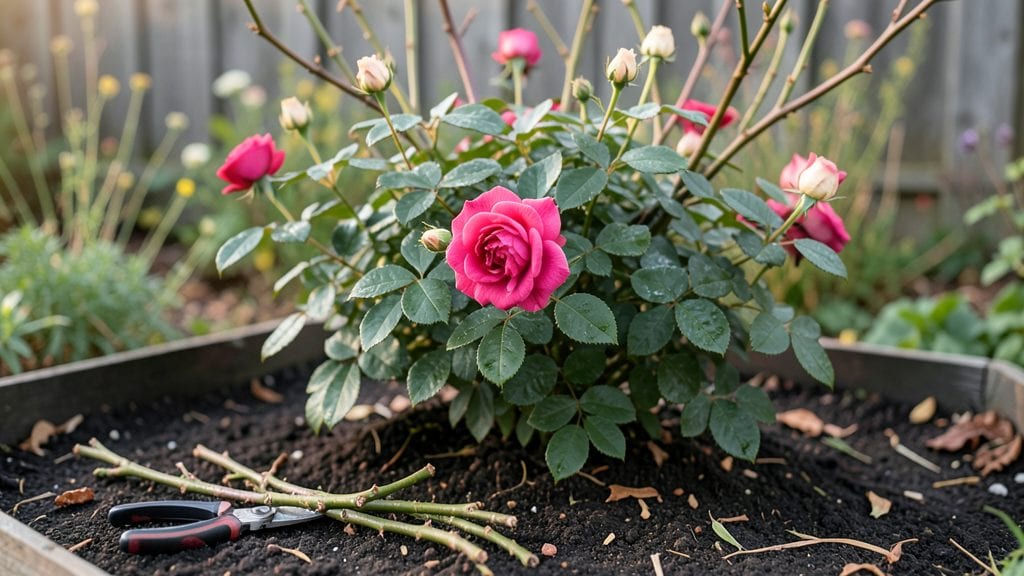
Understanding pruning plants meaning reveals how targeted trimming boosts vitality by encouraging stronger stems, fuller foliage, and healthier roots through energy redistribution.
Pruning isn't just about shaping plants—it's a growth hack that triggers biological responses like auxin hormone redistribution, which signals new shoots to sprout from dormant buds. 🌱 This process also improves airflow, reducing fungal risks while redirecting resources to fruit production in trees or vibrant blooms in flowers.
The timing matters too: pruning at the right season (like late winter for deciduous plants) ensures maximum regrowth without stressing the plant.
Think of it like giving your plant a strategic haircut—you're not just cutting, you're sculpting its future. For example, roses benefit from deadheading to encourage continuous flowering, while fruit trees need selective branch removal to improve harvest quality.
The key is balance: too much pruning weakens the plant, but the right cuts transform it into a powerhouse of growth.
💡 In This Article
- How Pruning Affects Plant Physiology and Growth
- Pruning Techniques for Different Plant Types
How pruning affects plant physiology and growth
Here's what's actually happening inside your plants when you prune: the plant's growth hormones, particularly auxin, shift dramatically. Auxin, produced at the tips of stems and leaves, suppresses lateral bud growth. When you cut back branches, you remove these auxin sources, breaking the suppression.
This triggers dormant buds to wake up and sprout new shoots, redirecting the plant's energy toward thicker stems and denser foliage. 🌿 For instance, roses pruned in early spring can produce up to 30% more blooms than unpruned plants by summer.
The science gets even more fascinating when you consider photosynthesis. Pruning removes older, less efficient leaves that may be shading younger growth, allowing sunlight to penetrate deeper into the plant. This boosts overall photosynthesis rates by up to 20-30% in some species, like fruit trees.
The plant can then allocate these extra sugars to fruit development rather than maintaining unnecessary branches. In apple trees, strategic pruning can increase fruit size by 15-25% by reducing competition for resources between branches.
Seasonal timing plays a crucial role in these physiological responses. Pruning during dormant season (late winter/early spring) minimizes stress because the plant isn't actively growing.
However, pruning at the wrong time—like mid-summer—can shock the plant by removing leaves when it needs them most for photosynthesis. 🌳 For example, evergreens like boxwoods should be pruned after flowering but before new growth hardens, typically in late spring or early summer, to avoid winter dieback.
What most people don't realize is how pruning affects root development too. When above-ground growth is reduced, the plant redirects energy downward, stimulating root expansion. This creates a more stable anchor and improves nutrient uptake.
Studies show that properly pruned plants can develop 2-3 times more root mass in a single growing season compared to unpruned counterparts. This root growth boosts the plant's resilience against drought and disease.
The flowering response is particularly dramatic in species like hydrangeas. When you prune old wood in late winter, you're encouraging the plant to produce new stems that will bear larger, more vibrant blooms by summer.
The key is understanding whether your plant flowers on old wood (like lilacs) or new wood (like roses)—pruning at the wrong time can mean sacrificing next year's flowers entirely. 🌺 For fruit trees, selective pruning removes water sprouts and crossing branches, which improves air circulation and reduces fungal diseases like apple scab by up to 40%.
Even the angle of your cuts matters biologically. Pruning just above a bud at a 45-degree angle creates a natural water runoff path, preventing rot. The bud's position determines whether the new growth will be upward, outward, or downward—critical for shaping trees or shrubs.
This precision turns pruning from a random act into a surgical growth technique that can transform a leggy, weak plant into a sturdy, productive one within just one growing season.