
Planting
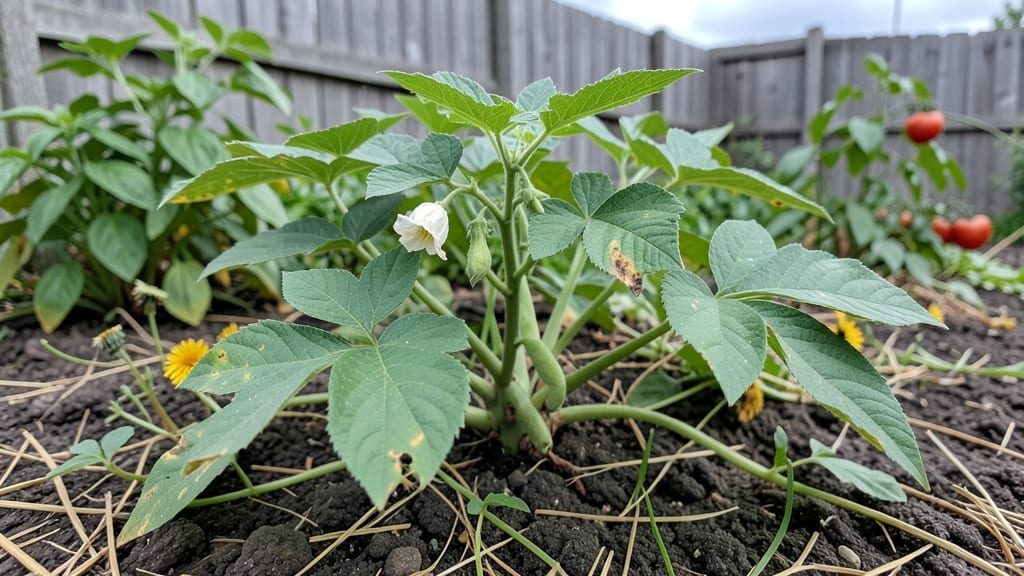
Poisonous bean plants, including castor beans and rosary peas, produce lethal compounds like ricin or abrin that can cause fatal poisoning if ingested. Always verify plant identification before handling, and use protective gloves during removal.
These plants are particularly dangerous because their toxins attack the body's cellular machinery, leading to organ failure or neurological damage within hours. 💀 For example, castor beans contain ricin—a protein that shuts down protein synthesis in cells—while rosary peas produce abrin, which works similarly but is even more potent.
I've seen cases where accidental ingestion led to severe symptoms within 24 hours, so proper identification and handling are absolutely critical.
If you suspect exposure, seek emergency medical help immediately—there's no safe level of ingestion. Even skin contact with crushed seeds can cause irritation, so always wear gloves and wash hands thoroughly after handling.
For removal, place plants in sealed bags and dispose of them at hazardous waste facilities, never in compost or regular trash.
💡 In This Article
- Toxic Compounds in Dangerous Bean Plants
- Safe Removal and Disposal of Toxic Beans
Toxic compounds in dangerous bean plants
Here's what's actually happening inside these deadly plants: their toxins are specialized proteins designed to disrupt cellular functions in animals that might try to eat them.
Ricin, found in castor beans, is one of the most potent natural toxins known—just 0.0005 grams (about the weight of a few grains of salt) can be lethal to humans.
This protein works by permanently binding to ribosomes, the cell's protein factories, effectively shutting down protein synthesis and causing widespread organ failure within 36-72 hours.
The mechanism behind ricin's lethality is fascinating but terrifying. Once ingested, it's absorbed through the gut lining and transported to the liver, kidneys, and spleen.
These organs become overwhelmed as cells stop producing vital proteins needed for survival. 💀 Rosary peas take this a step further with abrin, which has a similar mode of action but is 50-100 times more toxic than ricin by weight.
Both toxins are heat-stable, meaning cooking doesn't neutralize them—this is why accidental poisoning often occurs when people mistake these beans for edible varieties.
What most people don't realize is how these toxins vary between species. Castor beans contain ricin primarily in their seeds, with concentrations reaching 1-5% of the seed's dry weight.
In contrast, rosary peas store abrin in both seeds and the outer pod walls, making them dangerous even if not fully mature. The jequirity bean (another toxic variety) contains phytohaemagglutinin, which causes severe gastrointestinal distress rather than systemic poisoning, but can still be deadly in large quantities.
To put these toxicity levels in perspective: a single castor bean contains enough ricin to kill an adult human, while rosary peas can deliver a lethal dose with just 2-4 seeds.
The symptoms progress predictably—initial nausea and vomiting within hours, followed by dehydration, kidney failure, and finally coma as the body's systems collapse. This is why identification is critical: many poisonous beans resemble edible varieties like lima beans or broad beans at first glance.
The science behind this involves fascinating evolutionary biology. These plants developed their toxins as a chemical defense against predators, particularly in environments where they compete with other vegetation.
The bright red or black seeds of rosary peas, for example, serve as a warning signal to animals—nature's way of saying "don't eat me." 🌱 What's remarkable is how these toxins persist even after the plant dies, remaining dangerous for years if the seeds remain intact.
Understanding these variations helps explain why some poisonous beans cause rapid death while others produce symptoms over days. Ricin's effects typically manifest within 24-48 hours, while abrin's toxicity can take 3-5 days to reach fatal levels.
This delay is why immediate medical intervention is crucial—even if symptoms don't appear right away, the damage may already be irreversible.