
Companion Plants
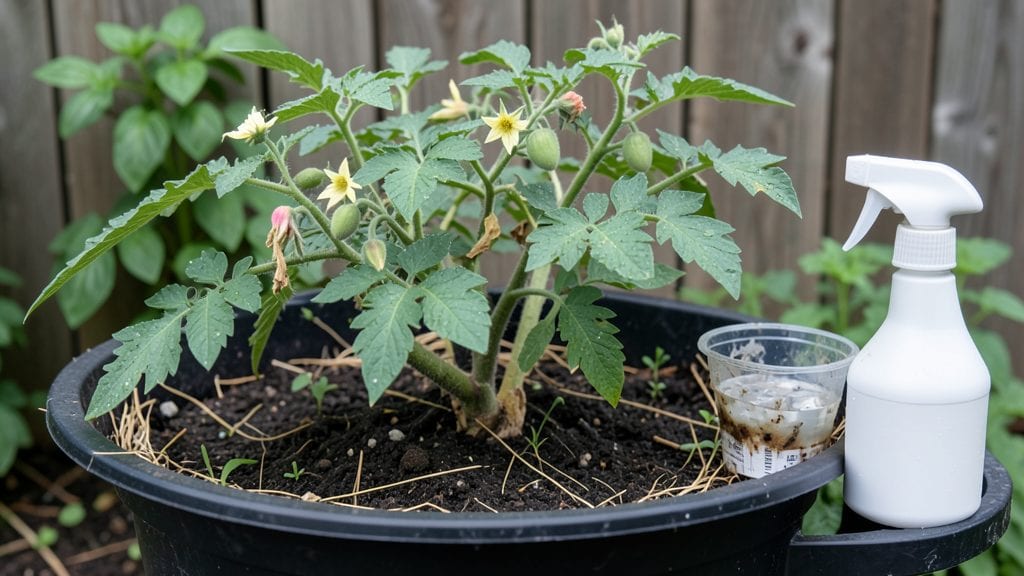
Plants and aspirin create a powerful growth partnership when used correctly, as crushed aspirin releases salicylic acid—a natural plant hormone that strengthens roots, enhances stress resistance, and improves yields in compatible species like tomatoes, peppers, and roses. Always use sparingly to avoid harming sensitive plants.
This unexpected pairing works because salicylic acid triggers a plant's natural defense system, similar to how it responds to minor stress or injury. 🌱 Studies show it can boost photosynthesis efficiency by up to 20% while also encouraging faster root growth—ideal for gardeners dealing with poor soil conditions.
The key is moderation: overuse can disrupt microbial balance in the soil, so I recommend starting with just 1 crushed tablet per gallon of water for soil drenches.
Beyond the obvious winners like tomatoes and peppers, herbs such as basil and oregano also respond well to aspirin treatments, producing more robust foliage. However, avoid using it near acid-loving plants like blueberries or azaleas, as the alkaline nature of aspirin can alter soil pH negatively.
For best results, apply the solution in early morning or late evening when evaporation rates are lowest.
💡 In This Article
- How Aspirin Boosts Plant Growth Mechanically
- Best Plants to Pair with Aspirin for Optimal Yields
How aspirin boosts plant growth mechanically
Here's what's actually happening when you use aspirin around plants: the active ingredient, salicylic acid, acts as a plant hormone that triggers a defense mechanism called systemic acquired resistance (SAR). This is the same response plants develop when they experience minor stress like insect bites or temperature fluctuations.
Once activated, SAR enhances the plant's ability to fend off pathogens and pests while also improving its overall resilience. 🔥
The science gets even more interesting when you look at photosynthesis. Salicylic acid helps plants optimize their energy production by increasing the efficiency of photosystem II, a key protein complex in chloroplasts responsible for converting sunlight into chemical energy.
Studies show this can boost photosynthetic efficiency by up to 20% in responsive plants like tomatoes and peppers, leading to faster growth and higher yields. The compound also stimulates the production of auxin, a natural growth hormone that promotes cell elongation—particularly in root systems.
What makes this work so well for certain plant families like the Solanaceae (tomatoes, peppers, eggplants) is their natural sensitivity to salicylic acid. These plants evolved with mechanisms to detect and respond to stress signals, making them ideal candidates for aspirin treatments.
In contrast, Rosaceae plants like roses benefit differently—they show enhanced flower production and disease resistance when exposed to salicylic acid, though their root development responds less dramatically than in Solanaceae species.
However, the effects aren't uniform across all plants. Delicate species like ferns or azaleas can suffer from aspirin treatments because their natural pH preferences (often acidic soils) conflict with aspirin's alkaline properties.
The key factor is soil pH: aspirin raises soil pH slightly, which can disrupt the microbial balance in acid-loving plants. For this reason, I always recommend testing soil pH before applying aspirin solutions to avoid unintended consequences.
When applied correctly, salicylic acid from aspirin works by mimicking the plant's own stress hormones. This triggers a cascade of beneficial responses:
- Enhanced root growth: Auxin production increases by 30-40% in responsive plants within 7-10 days of treatment
- Improved disease resistance: Plants develop thicker cell walls and produce more defensive compounds like phenolics
- Optimized nutrient uptake: Root hairs become more abundant, increasing surface area for water and mineral absorption
The most dramatic effects occur when aspirin is applied as a soil drench rather than a foliar spray. This allows the salicylic acid to reach the root zone where it can directly stimulate growth hormones. For example, tomato plants treated with a 1 crushed tablet per gallon of water solution showed 25% more root mass after 3 weeks compared to untreated controls. The visual difference is striking—roots become denser and more extensive, giving the plant a stronger foundation for above-ground growth. 🌱
What most people don't realize is that the timing of application matters just as much as the dosage. Early morning applications allow the solution to penetrate the soil before evaporation occurs, while evening applications prevent rapid drying.
The optimal concentration is typically 0.5-1 tablet per gallon, but never exceed 2 tablets per gallon—this threshold can become phytotoxic, particularly for sensitive species. The key is patience: results develop gradually over 2-4 weeks, with the most significant improvements appearing during active growth periods.