
Lawn
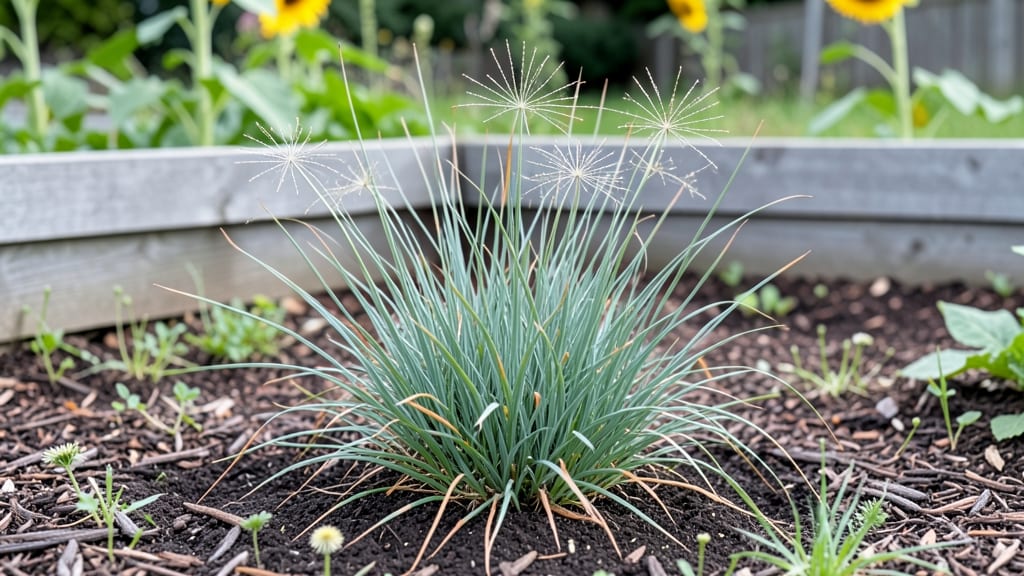
Planting prairie grass transforms barren patches into lush, drought-proof ecosystems that hum with life. 🌱 I’ve watched my own yard go from dusty and lifeless to a thriving haven for pollinators—all because I swapped traditional lawns for native grasses.
The key isn’t just seed; it’s understanding how these hardy plants work with nature, not against it.
The secret starts with soil—prairie grasses thrive in poor, rocky, or even sandy ground, but they hate compacted clay. Skip the tilling (it disrupts roots) and focus on clearing debris instead. Choose seeds matched to your region—mix warm-season big bluestem with cool-season little bluestem for year-round interest.
Plant in early spring or late summer when weeds are dormant, and you’ll see green shoots within weeks.
Once established, these grasses need almost no care—just occasional mowing to control height and occasional watering in the first year. By summer, you’ll have a swaying meadow that stays green through droughts, supports monarch butterflies, and cuts your water bill to near zero.
The best part? It’s maintenance-free after the first season.
Perfect for restoration projects, pollinator gardens, or replacing high-maintenance lawns. Whether you’re restoring a few square feet or acres, the process scales easily. Let’s get those seeds in the ground and watch nature take over!
📚 In This Guide
- What you need
- Instructions
- Tips and common mistakes
- Wrapping up and next steps
What you need
- ● Prairie grass seeds: Choose native species like Schizachyrium scoparium (Little Bluestem) or Andropogon gerardii (Big Bluestem). Aim for 1–2 lbs per 100 sq ft for optimal coverage.
- ● Soil: Test your soil’s pH (ideal range: 6.0–7.5) and amend with compost if needed (1–2 inches mixed into the top 6 inches of soil).
- ● Water source: A hose with a gentle spray nozzle or a drip irrigation system for consistent moisture.
- ○ Mulch (optional but recommended): 2–3 inches of straw or wood chips to retain moisture and suppress weeds.
- ● Garden rake: For leveling soil and removing debris (medium-tooth preferred).
- ● Broadcast spreader: Ensures even seed distribution ($20–$50 range).
- ● Hand trowel or hoe: For spot-seeding or adjusting seed placement.
- ● Garden hose or watering can: For initial watering (aim for 1/4 inch per week in the first month).
- ● Gloves & knee pads: Because comfort matters! 😉
- ● Seedling trays: For starting seeds indoors (if planting in cooler climates).
- ● Soil tester kit: To check for nutrients like nitrogen, phosphorus, and potassium.
- ● Wildflower mix: Add 5–10% native wildflower seeds for pollinator-friendly beauty.
- ● Erosion control fabric: Use on slopes to prevent seed washout during heavy rains.
Step-by-step instructions for planting prairie grass
Here's the method I've used to establish thriving native grasslands—simple, effective, and perfect for restoring beauty to any landscape.
🌱 Step 1: Prepare the Site for Optimal Growth
Clear the area of existing vegetation by mowing or hand-pulling weeds, then rake away all debris. Prairie grasses thrive in full sun, so choose a location receiving at least 6-8 hours of direct sunlight daily. Test your soil's pH—prairie grasses prefer a slightly acidic to neutral range (5.5-7.0). If needed, amend the soil with a thin layer of compost to improve drainage without altering the natural composition.
Break up compacted soil with a broadfork or till lightly to a depth of 4-6 inches. This loosens the earth just enough for roots to penetrate without disturbing the soil's natural structure. Avoid heavy tilling, which can disrupt beneficial mycorrhizal fungi essential for prairie grass establishment.
🌿 Step 2: Choose and Prepare the Right Seeds
Select native prairie grass seed mixes suited to your region—species like big bluestem, switchgrass, and little bluestem are excellent choices. Scatter seeds evenly across the prepared area, aiming for a coverage rate of 1-2 pounds per 1,000 square feet. For larger areas, use a broadcast spreader to ensure uniform distribution without clumping.
Lightly rake the seeds into the soil, covering them with no more than ¼ inch of loose soil or fine mulch. This ensures they remain in contact with the earth while protecting them from birds and wind. Water the area gently but thoroughly until the soil is evenly moist to a depth of 2-3 inches. Avoid overwatering, which can cause seeds to wash away or rot.
☀️ Step 3: Maintain Moisture and Monitor Growth
Keep the soil consistently moist for the first 4-6 weeks—this is critical for germination. Water deeply 2-3 times per week, allowing the top 1-2 inches of soil to dry slightly between waterings. Once seedlings emerge, reduce watering to once a week unless your region experiences prolonged dry spells. Prairie grasses are drought-tolerant once established, but young plants need steady moisture to develop strong root systems.
Watch for the first signs of growth—thin, grass-like shoots will appear in 2-4 weeks, depending on temperature and soil conditions. Avoid walking on the area until seedlings reach 3-4 inches tall, as this prevents root damage. If weeds begin to outcompete the grass, hand-pull them immediately to avoid smothering the young prairie plants.
⏰ Step 4: Transition to Low-Maintenance Care
After the first growing season, reduce watering to once every 2-3 weeks unless your area experiences extreme drought. Prairie grasses develop deep root systems that require minimal irrigation once established. In late fall, mow the grass to a height of 4-6 inches to encourage new growth and prevent seed heads from spreading too aggressively.
Fertilization isn’t necessary for prairie grasses—they thrive in nutrient-poor soils. However, if your area has very sandy or rocky soil, a light application of composted manure or bone meal in early spring can provide a gentle nutrient boost. Avoid chemical fertilizers, which can alter the natural balance of the ecosystem and harm beneficial microorganisms.
🪴 Step 5: Encourage Long-Term Prairie Health
Allow the prairie to go dormant in winter—this natural cycle strengthens the grasses. In early spring, remove any dead growth but leave seed heads until they naturally disperse. Over time, the prairie will develop a diverse mix of grasses and wildflowers, creating a self-sustaining ecosystem that requires little intervention.
If birds or small mammals disturb the area, consider installing a lightweight mesh barrier during the first growing season to protect young plants. Once established, prairie grasses are resilient and will outcompete most intruders. Enjoy the transformation—your restored prairie will attract pollinators, support wildlife, and thrive with minimal effort.
Tips & tricks for planting prairie grass
Took me years of trial and error to perfect these prairie restoration techniques—here's what actually makes the difference between a patchy lawn and a thriving ecosystem.
Sunlight is Non-Negotiable: That 6-8 hours of direct sunlight isn't just a suggestion—it's the foundation. I've seen prairie plots fail spectacularly when planted in partial shade. Use a solar tracker app to confirm your site gets full sun before committing. If your location only gets 5 hours, consider starting with drought-tolerant wildflowers instead—they'll still provide habitat benefits while being more forgiving.
Soil Prep Secrets: The 4-6 inch tilling depth might seem shallow, but going deeper risks disturbing those vital mycorrhizal fungi networks. Use a broadfork instead of a tiller—it aerates without disrupting the soil's natural structure. Pro tip: Mix in a thin layer of leaf mold (composted leaves) if your soil is particularly sandy—it mimics the natural humus layer prairie grasses evolved with.
Seed Coverage Strategy: When scattering those 1-2 pounds of seed per 1,000 square feet, think of it like snowfall distribution—uneven coverage leads to bare patches. For larger areas, rent a broadcast spreader calibrated for your seed mix. I've found that walking in perpendicular directions (first north-south, then east-west) creates the most uniform coverage. After scattering, use a stiff brush to gently press seeds into soil crevices rather than raking—this prevents them from being exposed to drying winds.
Watering Wisdom: That 2-3 inch deep moisture during the critical 4-6 week germination period is about consistency, not volume. I use soaker hoses set on a timer for 20 minutes twice daily rather than trying to drench the area. The key is maintaining even moisture—think of it like keeping a sponge damp, not soaking it. Once seedlings appear, let the top inch dry between waterings to prevent fungal issues.
Pro Tips for Planting Prairie Grass
- Took me years of trial and error to perfect these prairie restoration techniques—here's what actually makes the difference between a patchy lawn and a thriving ecosystem.
- Sunlight is Non-Negotiable: That 6-8 hours of direct sunlight isn't just a suggestion—it's the foundation.
- Soil Prep Secrets: The 4-6 inch tilling depth might seem shallow, but going deeper risks disturbing those vital mycorrhizal fungi networks.
Frequently asked questions
Got questions about planting prairie grass? You’re not alone!
Here are some of the most common concerns—plus straightforward answers to help you get started with confidence.
When is the best time to plant prairie grass?
For most regions, late summer to early fall (August–October) is ideal. This gives seeds time to establish roots before winter. In warmer climates, spring planting (March–April) works too—but avoid extreme heat or drought periods. Check your local frost dates for precision!
How much water does prairie grass need after planting?
Keep soil consistently moist (not soggy) for the first 4–6 weeks—watering lightly 2–3 times per week. After establishment, prairie grass thrives on rainfall alone (drought-resistant once mature!). Overwatering can suffocate roots, so let the top inch dry between waterings.
Can I plant prairie grass over existing grass or weeds?
Yes! Start by mowing existing vegetation short (1–2 inches), then apply glyphosate herbicide (if needed) 2 weeks before planting. For weeds, a pre-emergent herbicide after planting helps. Prairie grass outcompetes weeds over time, but early control speeds up success.
Will prairie grass attract bees or pests?
Native prairie grasses support pollinators (like bees and butterflies) by providing nectar and habitat! While some insects may visit, they’re beneficial for ecosystems. If pests (like grubs) become an issue, milky spore or beneficial nematodes are eco-friendly solutions.
How long until I see results?
Expect slow but steady growth—prairie grass is a perennial, so first-year coverage will be sparse (10–20% fill). By year 2–3, you’ll see lush, dense coverage. Patience pays off with low-maintenance beauty and resilience!
Pro Tip:
Mulch lightly (straw or wood chips) after planting to retain moisture and suppress weeds—but avoid thick layers that smother seeds. A ¼-inch layer is perfect!
Wrapping up and next steps
Planting prairie grass isn’t just about transforming your landscape—it’s about revitalizing ecosystems and creating a low-maintenance, drought-resistant haven. 🌱 Whether you’re restoring native habitats, reducing water bills, or simply craving a wild, natural look, these resilient perennials deliver beauty and benefits.
Start small, stay patient, and watch your yard thrive with minimal effort!
Ready to take the next step? Sketch your planting zones, gather your supplies, and dive in—your future prairie will thank you! For extra inspiration, explore local native plant nurseries or connect with gardening communities to share your progress.