
Succulent
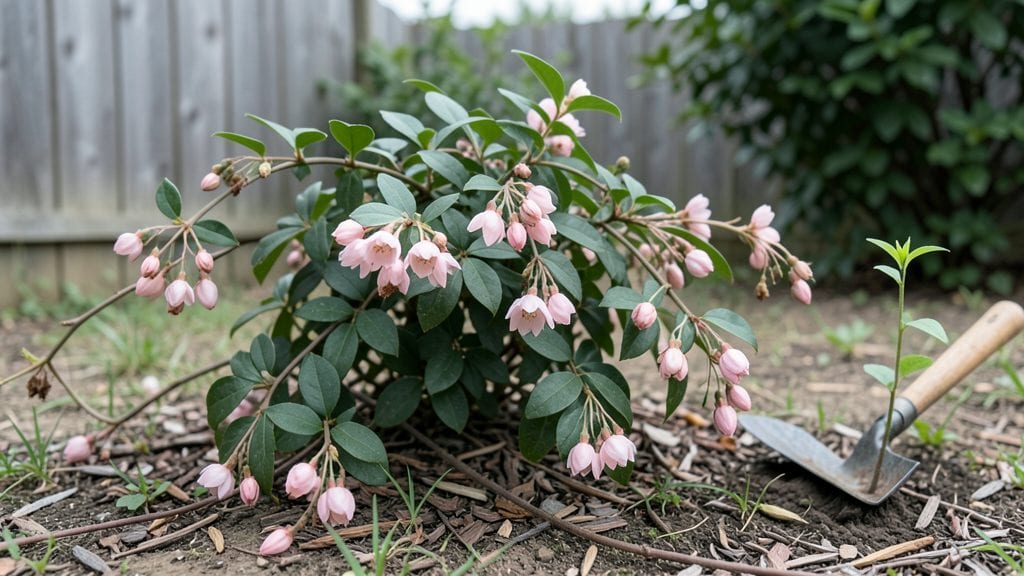
Planting pink jasmine transforms any sunny spot into a fragrant paradise with its velvety blooms and intoxicating scent. ✨ I’ve grown both Jasminum polyanthum and Jasminum officinale ‘Pink Star’—the first is a compact climber, while the second trails beautifully, perfect for trellises or hanging baskets.
The key to success starts with well-draining soil mixed with compost and a sunny location (at least 6 hours of direct sun daily). Plant in early spring after the last frost, spacing climbing varieties 3-5 feet apart or trailing types 2-3 feet apart in containers.
Water deeply after planting but avoid soggy roots—they hate wet feet.
Within 2-3 months, you’ll see new growth, and by next spring, those clusters of pink, star-shaped flowers will perfume your garden. Prune lightly after blooming to encourage bushier growth, and pinch back leggy stems in summer. The fragrance alone makes it worth the effort.
Pink jasmine thrives in USDA Zones 7-10, but with winter protection (mulch or containers moved indoors), you can grow it even in cooler climates. Whether climbing a fence or spilling over a balcony, it’s a low-maintenance superstar once established.
📚 In This Guide
- What you need
- Instructions
- Tips and common mistakes
- Wrapping up and next steps
What you need
- ● Pink jasmine plants: 1–3 healthy nursery-grown plants (choose established 1–2 ft. specimens for faster blooms)
- ○ Optional: Seeds (slower to mature; requires patience and warmth)
- ● Potting mix or soil: Well-draining potting mix (for containers) or native soil amended with:
- ● 20% perlite or coarse sand (for aeration)
- ● 10% compost (for nutrients)
- ● Containers (if potted): 1–3 10–12 inch diameter pots (with drainage holes)
- ○ Optional: Trellis or obelisk (for climbing support)
- ● Tools: Trowel or small shovel
- ● Garden gloves (to protect from thorns)
- ● Watering can or hose with gentle nozzle
- ○ Optional: Pruning shears (for shaping after planting)
- ● Sunlight: Minimum 6 hours of direct sunlight daily (partial shade in hot climates)
- ● Climate: Hardy in USDA Zones 7–10 (protect from frost with mulch or move pots indoors)
- ● Watering: Keep soil consistently moist (not soggy) during establishment
- ● Space: 1–3 ft. apart in ground plantings
- ● 1 ft. from container edges (if grouping)
Step-by-Step instructions for planting pink jasmine
Here's how to establish fragrant pink jasmine that thrives in sun-drenched spots and rewards you with years of blooms.
🌱 Step 1: Select and Prepare the Planting Site
Pink jasmine (Jasminum polyanthum) thrives in full sun—choose a location receiving at least 6-8 hours of direct sunlight daily. The soil should drain well but retain moisture, so avoid low-lying areas where water pools. If your garden soil is heavy clay, amend it with 2-3 inches of organic matter (like compost) mixed into the top 12 inches of soil.
Test the pH—jasmine prefers slightly acidic to neutral soil (6.0-7.0). If your soil runs alkaline, add sulfur or peat moss to adjust it gradually. I like to dig a hole twice as wide as the root ball but only as deep—jasmine roots are shallow and dislike being buried too deep.
🪴 Step 2: Plant the Jasmine at the Right Depth and Spacing
Remove the jasmine from its container and gently tease the roots apart if they're circling. Position the plant so the top of the root ball sits level with the surrounding soil—burying the stem too deeply invites rot. For 4 plants, space them 3-4 feet apart in a row or 4-5 feet apart if planting in a cluster.
Backfill the hole with native soil mixed with a handful of balanced fertilizer (10-10-10). Press firmly around the base to eliminate air pockets but avoid compacting the soil. Water deeply until moisture reaches 6 inches down—this helps settle the roots and removes any air gaps.
☀️ Step 3: Provide Support and Initial Care
Jasmine vines grow aggressively, so install a trellis, arbor, or sturdy fence within 1-2 feet of the planting site before the vines take hold. I use a 6-foot-tall metal trellis for vertical growth, securing it with galvanized stakes for stability. Train the main stems along the support immediately after planting to encourage upward growth.
Water deeply every 2-3 days for the first 2 weeks, ensuring the soil stays evenly moist but not soggy. After establishment, jasmine becomes drought-tolerant, but young plants need consistent moisture. Mulch around the base with 2-3 inches of wood chips to retain moisture and suppress weeds—just keep mulch 2 inches away from the stem to prevent rot.
✂️ Step 4: Prune for Shape and Encourage Blooms
Prune jasmine after flowering (late spring or early summer) to shape the plant and remove any dead, diseased, or crossing branches. Cut back overgrown vines by one-third to encourage bushier growth. I also trim any leggy stems that grow away from the trellis—this redirects energy to the main structure.
Fertilize lightly in early spring with a balanced, slow-release fertilizer (like 10-10-10) to support new growth. Avoid heavy feeding in late summer—jasmine blooms on new wood, and excessive nitrogen promotes foliage over flowers. You’ll see fragrant pink blooms in late spring to early summer, with occasional flushes throughout the growing season.
🌿 Step 5: Overwinter for Year-Round Fragrance
Pink jasmine is hardy to USDA Zone 7, but in colder climates, protect it with burlap wraps or a lightweight frost blanket once temperatures drop below 25°F. I also trim back one-third of the previous year’s growth in late winter to stimulate fresh, vigorous shoots. In Zone 8 and warmer, jasmine remains evergreen and blooms year-round with minimal care.
Watch for aphids or spider mites—jasmine attracts pests, so spray with neem oil if you spot sticky residue or webbing. A strong water spray often dislodges pests before they become a problem. With proper care, your pink jasmine will reward you with decades of fragrant blooms and lush, climbing growth.
Tips & tricks for perfect pink jasmine planting
A few strategic moves can transform your jasmine from a struggling plant to a fragrant, vigorous climber that thrives for decades.
The Sunlight Secret: Those 6-8 hours of sunlight are non-negotiable for pink jasmine, but here's the thing: morning sun is gentler than afternoon heat. If you're in a hot climate, position your trellis to catch the cooler morning rays while still getting that full sun exposure. I've seen jasmine in full afternoon sun get sunburned leaves—watch for crispy edges as a warning sign.
Root Ball Rescue: When you remove that jasmine from its container, you might notice roots circling like a pretzel. This is called "pot-bound," and it's actually a good sign—it means your plant is ready to grow. Gently tease those roots apart with your fingers before planting. I use a chopstick to carefully separate any tightly bound roots without damaging them. This encourages outward growth instead of that tangled mess continuing underground.
Watering Wisdom: That 6 inches deep watering in Step 2 isn't just about settling roots—it's about training your plant's root system to grow downward. After the initial 2 weeks, you can space waterings to every 4-5 days if your soil stays moist, but always check with your finger. Stick it in about 2 inches down—if it's dry, it's time to water. Jasmine roots hate soggy feet but also can't handle drought stress.
Pruning Precision: When you cut back those vines by one-third after flowering, aim for just above a leaf node where new growth emerges. I use sharp pruning shears and make clean cuts at a 45-degree angle to prevent water from pooling on the stem. This technique reduces disease risk while encouraging bushier growth. And here's a pro move: save those pruned stems! You can root them in water for new plants.
Pro Tips for Planting Pink Jasmine
- A few strategic moves can transform your jasmine from a struggling plant to a fragrant, vigorous climber that thrives for decades.
- The Sunlight Secret: Those 6-8 hours of sunlight are non-negotiable for pink jasmine, but here's the thing: morning sun is gentler than afternoon heat.
- Root Ball Rescue: When you remove that jasmine from its container, you might notice roots circling like a pretzel.
Frequently asked questions
When is the best time to plant pink jasmine?
Plant pink jasmine in early spring (after the last frost) or late summer for the best root establishment. This gives the plant time to settle before extreme weather. If planting in containers, you can do it year-round, but avoid freezing temperatures.
How often should I water pink jasmine?
Water deeply but infrequently—about once a week in warm weather (more if potted) and every 2-3 weeks in winter. Overwatering is the #1 killer! Check soil moisture 1-2 inches down; if dry, it’s time to water. Let excess drain to prevent root rot.
Can pink jasmine grow in shade?
While it tolerates partial shade, pink jasmine thrives in full sun (6+ hours/day) for the most vibrant blooms. In shady spots, expect fewer flowers and slower growth. If your yard is shady, choose a south-facing wall or container near a sunny window for optimal results.
Why isn’t my pink jasmine blooming?
Lack of blooms usually means too little sun, over-fertilizing (especially with nitrogen), or insufficient winter chilling. Try moving it to a sunnier spot, pruning leggy growth, and using a balanced bloom booster fertilizer in spring. Patience helps—established plants (3+ years) bloom best!
What’s a good alternative if pink jasmine is too high-maintenance?
Try Arabian jasmine (Jasminum sambac) (hardier, drought-tolerant) or star jasmine (Trachelospermum jasminoides) (evergreen, low-fuss). For fragrant climbers, coral honeysuckle or mock orange are also great picks with less fuss.
Wrapping up and next steps
Planting pink jasmine is a rewarding journey that brings year-round fragrance and beauty to your garden or home. With the right soil, sunlight, and care, these delicate blooms will thrive and fill the air with their sweet scent—whether you’re a beginner or a seasoned gardener. 🌸
Now that you’re armed with tips and answers to common questions, it’s time to roll up your sleeves and get planting! Start small—whether in a pot on your balcony or a sunny patch in your yard—and watch your pink jasmine grow into a fragrant masterpiece. Happy gardening! 🌱