
Propagation
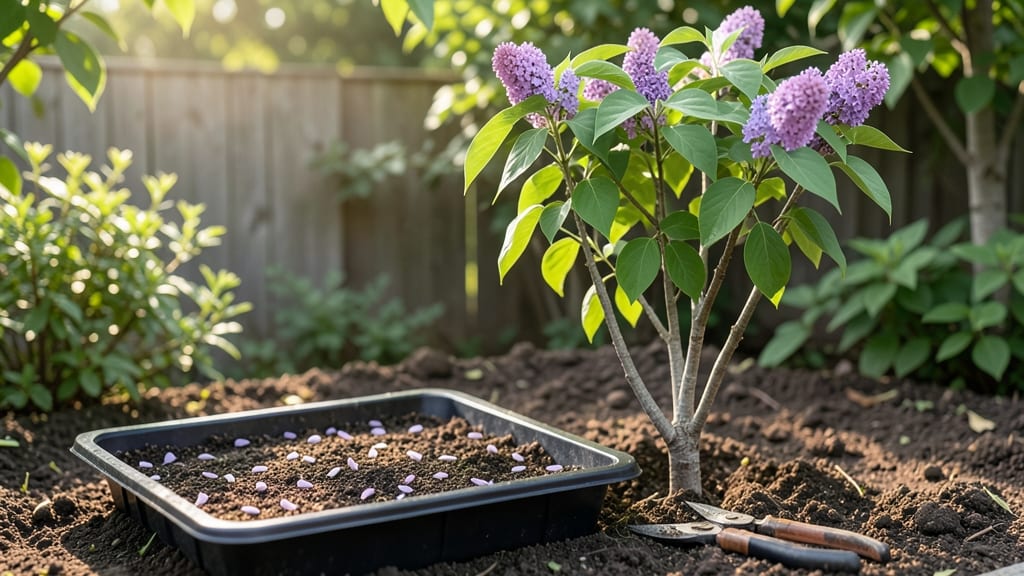
Planting lilac seeds isn't like the easy-to-grow annuals you might expect—it's a patience game that rewards you with those heavenly-scented blooms you’ve always loved. I’ve struggled with low germination rates until I discovered the secret: cold stratification mimics nature’s timing, tricking seeds into breaking dormancy when they’re ready.
The process takes a little planning, but once you master it, you’ll have fragrant lilacs growing from seeds instead of paying top dollar for nursery plants.
You’ll need fresh seeds (or ones you’ve collected and stored properly), a plastic bag with a little damp sand or paper towels, and a fridge for the cold treatment. The whole process takes about 3 months before you even plant them outside, but trust me—it’s worth the wait.
Most gardeners skip this step and wonder why their seeds never sprout, but cold stratification is the game-changer that turns flimsy seeds into sturdy seedlings.
Once stratified, you’ll sow them in well-draining soil under gentle light, keeping them moist but not soggy. Within 4-8 weeks, you’ll see those first tiny shoots push through—it’s a magical moment.
The seedlings grow slowly at first, but with proper care, they’ll develop into hardy plants ready for transplanting in spring. The blooms might take 3-5 years, but the journey is part of the joy.
This method works best in USDA Zones 3-7, where lilacs thrive naturally, but with adjustments, you can try it in warmer climates too. The key is consistency—don’t rush the cold treatment, and keep an eye out for mold or overwatering.
Once you’ve got your first lilac seedling, you’ll be hooked on growing these fragrant classics from scratch.
📚 In This Guide
- What you need
- Instructions
- Tips and common mistakes
- Wrapping up and next steps
What you need
- ● Lilac seeds: Fresh or store-bought (ensure they’re not hybrid varieties, as they may not produce true blooms). Aim for 10–20 seeds for a small batch.
- ● Cold-stratification medium: Option 1: Damp peat moss or coco coir (1 part medium to 1 part seeds by volume).
- ● Option 2: A paper towel or damp paper coffee filter (for smaller batches).
- ● Sealed plastic bag or container: A ziplock bag (quart-size) or small Tupperware with an airtight seal.
- ● Refrigerator space: A cold, dark spot (34–40°F / 1–4°C) for 6–12 weeks.
- ● Planting pots: Small seedling trays or biodegradable peat pots (2–3 inches deep).
- ● Well-draining potting mix: A light, airy blend (e.g., 50% peat moss, 30% perlite, 20% compost).
- ● Spray bottle: For gentle watering (avoid over-saturating seeds).
- ● Grow lights or sunny windowsill: A south-facing window or LED grow light (12–16 hours/day) for seedlings.
- ● Seed-starting heating mat: Speeds up germination (70–75°F / 21–24°C).
- ● Humidity dome: Keeps moisture levels high for tender seedlings.
- ● pH testing kit: Ideal soil pH for lilacs: 6.0–7.0.
- ● Fertilizer: A balanced, water-soluble fertilizer (5-5-5 or 10-10-10) for early growth.
- ● Label markers: To track seed varieties and planting dates!
Step-by-Step instructions for planting lilac seeds
Cold stratification is the secret to breaking lilac seeds' dormancy—here's how to do it right for strong, fragrant plants.
Collect and Clean the Seeds
Harvest lilac seeds when the pods turn brown and split open naturally, usually in late summer or early fall. Remove the seeds from the pods and spread them on a paper towel to dry for 24 hours at room temperature. This prevents mold from forming during stratification. I like to place them in a single layer so they dry evenly without sticking together.
Once dry, store the seeds in a sealed container with a moist paper towel at the bottom. The towel should feel damp but not soaking wet—like a wrung-out sponge. This mimics the natural moisture seeds experience in soil. Label the container with the date and variety if known, since lilac seeds can take 6-12 months to germinate.
Stratify Seeds in the Refrigerator
Place the container of seeds in the refrigerator and store it for 90-120 days at a temperature between 35-40°F. This cold period mimics winter conditions and tricks the seeds into thinking they've experienced natural dormancy. Check the moisture level every 2 weeks—if the towel feels dry, spritz it lightly with water and reseal the container.
I keep a small notebook by the fridge to track when I put the seeds away and when they should come out. Some gardeners swear by adding a handful of sand or perlite to the container for better airflow, but I've never found it necessary. The key is consistency—don't let the temperature fluctuate or the seeds may not break dormancy properly.
Plant Stratified Seeds in Outdoor Beds
After stratification, plant the seeds outdoors in well-draining soil mixed with compost for fertility. Lilacs thrive in full sun and prefer slightly acidic to neutral soil. Dig a hole ½ inch deep and place 1-2 seeds per spot, spacing them 6 inches apart—they'll need room to grow. Cover lightly with soil and water gently to settle everything in place.
Don't be tempted to plant them too deeply or they'll struggle to push through the soil. I always mark the planting spots with small sticks or flags so I don't accidentally disturb them when weeding. Mulch lightly with 1 inch of organic mulch to retain moisture and suppress weeds, but avoid piling it directly against the seeds.
Provide Consistent Care Through Germination
Keep the soil evenly moist but never soggy—lilac seedlings hate sitting in waterlogged conditions. Water when the top inch of soil feels dry, which should be about every 3-5 days depending on your climate. A drip irrigation system or soaker hose works best to avoid disturbing the seeds.
Germination can take several weeks to months, so patience is key. Once seedlings emerge, thin them to the strongest plant per spot, cutting the weaker ones at the soil line with scissors. You'll know you're doing it right when the remaining seedlings have dark green leaves and compact stems—no leggy, pale growth.
Transplant and Establish Young Lilacs
After 1-2 years, when seedlings reach 12-18 inches tall, transplant them to their permanent location. Choose a spot with 6-8 feet of space between plants, as lilacs grow into large shrubs. Dig a hole twice as wide as the root ball but no deeper—planting too deep can suffocate the roots.
Water deeply after transplanting to help the roots settle, and apply a 2-inch layer of mulch around the base (but not touching the stem). Lilacs are tough once established, but they need 2-3 years of consistent care before they produce their signature fragrant blooms. I always mark their location with a small stake so I don't accidentally prune them in the future.
Tips & tricks for planting lilac seeds
Cold stratification might sound complicated, but these simple tricks will help you avoid common pitfalls and give your lilac seeds the best chance to thrive.
Timing is Everything: When harvesting lilac seeds in Step 1, wait until the pods are fully brown and naturally split open—this usually happens in late summer or early fall. If you harvest too early, the seeds won't be fully mature, and if you wait too long, they might scatter or get damaged by pests. I've found that harvesting on a dry morning prevents mold from forming during the crucial 24-hour drying period on the paper towel.
Moisture Management: During the stratification process in Step 2, maintaining the right moisture level is critical. The paper towel should feel like a wrung-out sponge—not dripping wet, not bone dry. I like to use a spray bottle to add just a fine mist of water every 2 weeks, then reseal the container immediately. This mimics natural soil moisture without risking mold growth. The 90-120 days in the refrigerator at 35-40°F is non-negotiable—this cold period breaks dormancy just like winter would in nature.
Planting Depth Matters: In Step 3, planting seeds only ½ inch deep might seem shallow, but lilac seeds need that proximity to the surface to push through easily. I've seen many gardeners plant them too deeply, which causes the seedlings to struggle and sometimes never emerge. After planting, I use a small stick to mark each planting spot—this prevents accidental disturbance when weeding later. The 6-inch spacing gives them room to grow without competing for nutrients.
Germination Patience: Remember that germination can take several weeks to months, so don't be tempted to dig up the soil looking for results. I've seen people give up after just a few weeks, only to have seedlings pop up months later. Once they do emerge, thin to the strongest seedling per spot using clean scissors at soil level. The remaining plants should have dark green leaves and compact stems—anything leggy or pale indicates poor growing conditions.
Pro Tips for Planting Lilac Seeds
- Cold stratification might sound complicated, but these simple tricks will help you avoid common pitfalls and give your lilac seeds the best chance to thrive.
- Timing is Everything: When harvesting lilac seeds in Step 1, wait until the pods are fully brown and naturally split open—this usually happens in late summer or early fall.
- Moisture Management: During the stratification process in Step 2, maintaining the right moisture level is critical.
Frequently asked questions
Got questions about growing lilacs from seed?
You're not alone! Lilac seeds can be tricky, but with the right know-how, you’ll be well on your way to fragrant blooms. Here are some of the most common questions—and answers—to help you succeed.
How long does cold stratification take for lilac seeds?
Cold stratification typically requires 3–4 months in the fridge (or outdoors in winter). Place moist seeds in a sealed bag with peat moss or paper towels, then store them at 33–41°F (1–5°C). Patience is key—rushing this step can lead to poor germination.
When is the best time to plant lilac seeds after stratification?
Plant your stratified seeds as soon as they sprout, usually in early spring (March–April). If you’re starting indoors, sow them in pots 6–8 weeks before the last frost. Outdoors, wait until soil temps hit 50°F (10°C) to avoid frost damage.
Can I grow lilacs from seeds bought online, or should I collect them myself?
Store-bought seeds can work, but collecting seeds from mature lilac flowers (after they turn brown) ensures better local adaptation. If buying, choose reputable suppliers specializing in heirloom or wild-collected seeds for higher success rates.
Why aren’t my lilac seeds germinating? Troubleshooting tips.
Common issues include:
- Incomplete stratification: Extend cold treatment to 4–6 months.
- Poor moisture: Keep seeds consistently damp (not soggy) during stratification.
- Old seeds: Lilac seeds lose viability after 1–2 years—fresh is best!
- Fungal issues: Use sterile soil and avoid overcrowding seedlings.
How long does it take for lilac seeds to bloom?
Lilacs grown from seed are slow bloomers—expect 3–5 years before your first fragrant flowers! Grafted nursery plants bloom faster (1–2 years), but seed-grown lilacs often develop unique colors and hardiness. Patience pays off with long-lived, disease-resistant shrubs.
Wrapping up and next steps
Growing lilacs from seeds is a rewarding journey that combines patience with the joy of nurturing life. With the right cold-stratification techniques and a little care, you’ll soon be greeted by fragrant blooms that’ll make your garden the talk of the neighborhood! 🌸
Ready to take the next step? Start by planting those prepped seeds in well-draining soil and watch your lilac garden grow. Happy gardening—your future blooms will thank you!