
Pruning
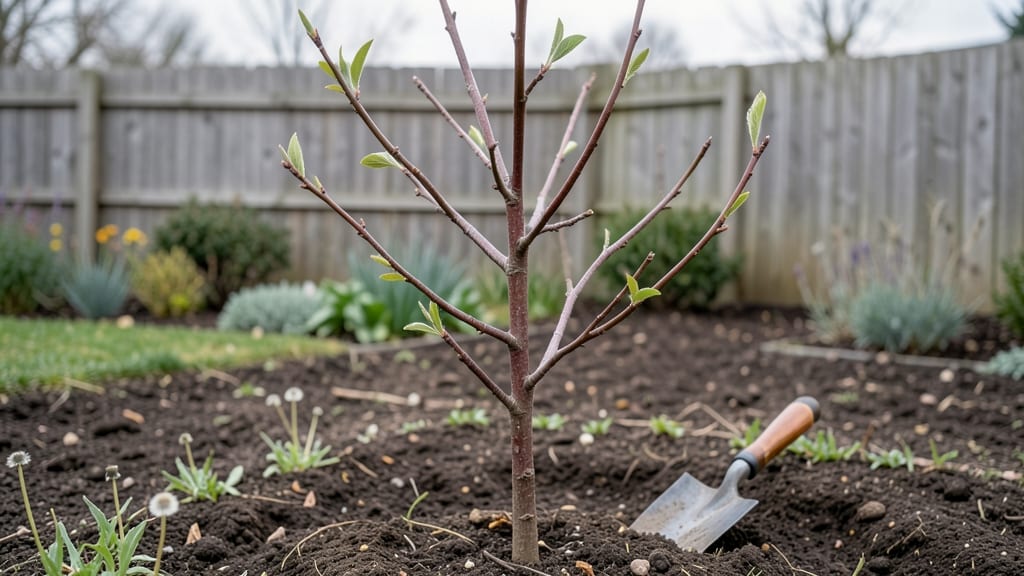
Planting a nectarine tree in your backyard means juicy, sun-ripened fruit within just a few years—if you pick the right spot and follow the planting steps exactly.
I learned the hard way that nectarines hate soggy roots and partial shade, so I now plant mine where the sun kisses the soil for at least 8 hours daily and the soil drains like a dream after rain.
The secret to long-term success starts before you even dig the hole: test your soil’s pH (nectarines love 6.0-7.0), mix in a handful of bone meal for early root growth, and space trees 15-20 feet apart to prevent future crowding.
My first tree nearly choked out its neighbor because I ignored this—now I mark the spot with stakes before digging. A 5-gallon container at the nursery means faster fruiting than a bare-root sapling, but either works if planted right.
After planting, the first year is all about patience—not pruning, not heavy fertilizing, just deep watering once a week until the roots spread. You’ll know it’s working when new leaves unfurl in spring, glossy and vibrant.
By summer, you’ll be watching for those first tiny fruitlets, though they might not be harvest-worthy until year three. The payoff? A tree that produces 100+ pounds of fruit per season once mature, with minimal fuss.
Here’s the thing about nectarines: they’re finicky but forgiving if you start right. Avoid low spots where water pools, skip the synthetic fertilizers in early years, and prune only to open the center to sunlight.
With these basics, your tree will outlive you—and keep feeding your family for decades. Let’s get that hole dug.
📚 In This Guide
- What you need
- Instructions
- Tips and common mistakes
- Wrapping up and next steps
What you need
- ● Nectarine tree sapling: Choose a dwarf, semi-dwarf, or standard variety (1-2 years old) from a reputable nursery. Check for healthy roots and vibrant foliage!
- ● Shovel or trowel: A 5-gallon bucket-sized hole (18-24" wide/deep) needs a sturdy tool. A round-point shovel works best for digging.
- ● Well-draining soil: Mix native soil with 20-30% compost (or a 50/50 blend of topsoil and compost) for optimal growth.
- ● Organic mulch: 3-4 inches of wood chips, straw, or pine needles to retain moisture and regulate soil temperature.
- ○ Staking system (optional but recommended for young trees): A 4-6 ft wooden stake + soft tree tie to provide support.
- ● Balanced fertilizer: A 10-10-10 or 8-3-9 NPK blend (follow package instructions for dosage).
- ● Watering can or hose: With a gentle spray nozzle to avoid displacing soil.
- ● Soil pH test kit: Aim for a slightly acidic to neutral pH (6.0-7.0)—adjust with lime or sulfur if needed.
- ● Root stimulator: A mycorrhizal inoculant or seaweed extract to boost root development.
- ● Pruning shears: For trimming dead branches post-planting (sterilize with rubbing alcohol!).
- ● Drip irrigation kit: For low-maintenance watering once established.
- ● Tree guard: A protective plastic wrap to shield the trunk from pests and sunburn.
- ● Sunlight: A full-sun spot (6+ hours/day) with well-draining soil—nectarines hate soggy roots!
- ● Climate zone: Plant in USDA Zones 5-9 (check your local frost dates).
- ● Spacing: Allow 15-25 ft between trees (or 8-12 ft for dwarf varieties).
- ● Timing: Plant in early spring (after last frost) or late fall (6 weeks before first frost).
Step-by-Step instructions for planting a nectarine tree
Here's the simple, foolproof method I use to get nectarine trees off to a strong start.
Choose the Perfect Planting Spot
Nectarine trees need full sun—at least 6-8 hours of direct sunlight daily—to produce sweet, flavorful fruit. Look for a location with protection from strong winds, which can damage delicate branches. I always check the microclimate of my yard by observing where sunlight lingers longest in late afternoon, as nectarines love that warm glow.
Test the soil pH before planting—nectarines prefer slightly acidic to neutral soil (pH 6.0-7.0). If your soil is too alkaline, amend it with sulfur or peat moss before planting. The spot should also have well-draining soil; if your yard sits in a low area where water pools, raise the planting area by adding 2-3 inches of compost or sand to improve drainage.
Dig the Planting Hole and Prepare the Tree
Dig a hole twice as wide as the tree’s root ball but no deeper. This gives roots room to spread without sitting too low, which can suffocate them. Loosen the sides of the hole with a shovel to encourage root growth into surrounding soil. I like to add a 5-gallon bucket of compost to the bottom of the hole to give the tree a nutrient boost as it establishes.
Remove the tree from its container and gently tease apart the roots if they’re circling. This prevents girdling, where roots grow in tight loops and strangle the tree over time. Place the tree in the hole so the top of the root ball sits level with the ground—burying it too deep can cause rot, while planting too high stresses the tree.
Backfill and Water Thoroughly
Fill the hole with native soil, tamping it down lightly as you go to remove air pockets. Avoid compacting the soil too firmly, as this restricts root growth. I like to mix in a handful of slow-release fertilizer (10-10-10) into the backfill soil to support early growth. Water the tree deeply as you backfill, letting the water settle before adding more soil.
After planting, water the tree again until 2 gallons of water drain into the soil. This helps settle the roots and eliminates air gaps. Mulch the base with 2-3 inches of wood chips or straw, keeping it 3-4 inches away from the trunk to prevent rot. The mulch conserves moisture and regulates soil temperature, which is especially important in hot climates.
Stake and Support the Tree (If Needed)
Young nectarine trees often need staking to prevent toppling in wind or until their roots establish. Use two 6-foot stakes driven into the ground on opposite sides of the tree, then tie the trunk loosely to them with soft tree ties or rubber bands. Avoid cinching the ties too tight—they should allow the trunk to sway slightly in the wind.
If your tree is already sturdy, skip staking. You’ll know it’s stable if it doesn’t lean or wobble when gently pushed. Prune any broken or damaged branches at planting time, but avoid heavy pruning—save that for early spring. The goal is to encourage a strong structure without shocking the tree.
Monitor and Maintain Through the First Year
Water the tree deeply once a week during the first growing season, providing 3-5 gallons per watering depending on soil type. Let the top 2-3 inches of soil dry out between waterings to prevent root rot. In hot, dry climates, you may need to water biweekly. I check moisture by sticking my finger into the soil—if it feels dry at 1 inch down, it’s time to water.
Fertilize lightly in early spring with a balanced, slow-release fertilizer (10-10-10) to support new growth. Avoid heavy feeding in the first year, as it encourages weak, fast growth that can’t support fruit production. Watch for signs of stress like yellowing leaves or wilting—these often indicate overwatering or poor drainage. Adjust care based on what you observe.
Tips & tricks for planting a thriving nectarine tree
Planting a nectarine tree right means paying attention to details that make all the difference in fruit production and tree health.
Sunlight Strategy: The 6-8 hours of direct sunlight mentioned in Step 1 is non-negotiable for sweet fruit development. I've learned that morning sun is especially important—it helps dry dew quickly, reducing fungal risks. If your yard has afternoon shade, consider planting near a south-facing wall or fence that reflects warmth back to the tree.
Root Preparation Insight: When teasing apart circling roots in Step 2, work gently but firmly—you're not trying to break roots, just loosen them. I use my fingers to gently separate the roots outward, making sure they spread naturally. This simple step prevents girdling, which can strangle your tree over time and is often overlooked by beginners.
Watering Wisdom: The 2 gallons of water specified in Step 3 should soak down to about 12 inches—this encourages deep root growth. I always water in the morning so the soil has time to dry slightly before evening, which helps prevent root rot. In clay soil, you might need to water more frequently but with less volume each time to avoid waterlogging.
Mulch Mastery: That 2-3 inches of mulch in Step 3 isn't just for looks—it creates a microclimate that keeps roots cool in summer and insulated in winter. I use wood chips because they break down slowly, adding organic matter to the soil. Just remember to keep it 3-4 inches away from the trunk to prevent moisture buildup that can cause rot.
Pro Tips for Planting Nectarine Tree
- Planting a nectarine tree right means paying attention to details that make all the difference in fruit production and tree health.
- Sunlight Strategy: The 6-8 hours of direct sunlight mentioned in Step 1 is non-negotiable for sweet fruit development.
- Root Preparation Insight: When teasing apart circling roots in Step 2, work gently but firmly—you're not trying to break roots, just loosen them.
Frequently asked questions
about planting nectarine trees—because even the pros need a little clarity! Here are answers to the most common questions to help you grow a thriving orchard.What’s the best time of year to plant a nectarine tree?
Plant your nectarine tree in early spring (before buds break) or late fall (6-8 weeks before frost). Avoid extreme heat or cold—roots need time to establish without stress. If you’re in a warm climate, winter planting (Dec-Feb) works too!
How far apart should I space nectarine trees?
Space standard nectarine trees 20–25 feet apart for proper airflow and sunlight. Dwarf varieties can be planted 12–15 feet apart. Overcrowding leads to disease and poor fruit quality—give them room to shine!
Do nectarine trees need winter protection?
Young trees or tender varieties may need winter mulch (straw or wood chips) and tree wraps in cold climates (below 10°F). Established trees usually handle frost, but late spring frosts can damage blossoms—watch your local forecast!
Can I grow a nectarine tree in a container?
Nectarines thrive in large containers (20+ gallons) with drainage holes, but they’re not ideal for long-term growth. Use a dwarf variety, repot every 2–3 years, and move containers to sunny spots. Expect smaller yields compared to in-ground planting.
Why aren’t my nectarine tree’s leaves turning green?
Yellow or pale leaves often signal nutrient deficiency (like nitrogen or iron) or poor drainage. Test your soil and amend with compost or a balanced fertilizer. Overwatering or pests (like aphids) can also cause stress—check roots and leaves for clues!
How long does it take for a nectarine tree to bear fruit?
Patience pays off! Dwarf trees may fruit in 2–3 years, while standard trees take 4–6 years. Prune properly, fertilize regularly, and cross-pollinate (if needed) to speed up the process. Sweet rewards are worth the wait!
Wrapping up and next steps
Planting a nectarine tree is a rewarding journey that combines patience, care, and a little sunshine! 🌞 With the right location, soil prep, and ongoing maintenance, you’ll soon enjoy sweet, juicy fruit straight from your backyard. Remember, consistency is key—whether it’s watering, pruning, or protecting against pests.
Now that you’re armed with sunny spot secrets, take the next step: mark your calendar for planting season and gather your tools. Before you know it, you’ll be harvesting nectarines that taste even better than store-bought—cheers to your future harvest! 🍑✨