
Pruning
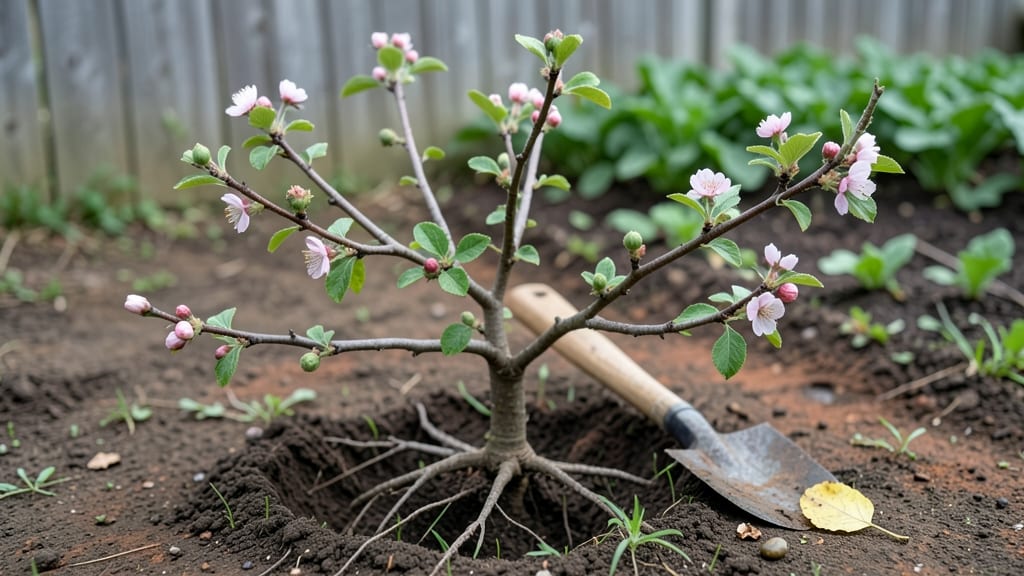
Planting a crabapple tree means adding four-season interest to your yard with almost no fuss—those glossy leaves, fragrant blossoms, and persistent fruit keep things lively from winter to fall.
I planted mine in a sunny corner last October, and now it's the star of my front yard with almost no pruning needed. The key is picking the right spot and giving it a good start, which takes less than an hour of active work.
Start by choosing a site with full sun to partial shade and well-draining soil—crabapples hate soggy roots. Dig a hole twice as wide as the root ball but no deeper, then mix in a little compost to give it a nutrient boost.
Most nurseries sell them bare-root in fall or spring, so check the roots before buying: they should look moist and white, not dried out or mushy.
Once planted, water deeply every 2-3 weeks during the first year to encourage deep root growth. A 3-inch layer of mulch keeps weeds down and moisture in, but keep it a few inches away from the trunk.
The first year is all about letting the tree establish—no heavy pruning, just a little shaping if needed. By year two, you'll have a sturdy tree that needs almost no maintenance.
Here's the beauty of crabapples: they thrive in urban landscapes, small yards, or as specimen plants—no special soil or climate required. Just plant it right, give it space to grow, and enjoy the show. The best part? You'll spend more time admiring it than working on it.
📚 In This Guide
- What you need
- Instructions
- Tips and common mistakes
- Wrapping up and next steps
What you need
- ● Crabapple tree sapling: Choose a healthy, disease-resistant variety (e.g., Malus 'Royalty' or 'Adirondack') from a local nursery. Opt for a 1- to 2-gallon container-grown tree for easier handling.
- ● Shovel or spade: A round-point shovel (18–24 inches wide) for digging the planting hole.
- ● Garden fork or trowel: For loosening soil and breaking up roots.
- ● Compost or well-aged manure: 5–10 pounds to enrich the soil.
- ● Native soil or topsoil: Enough to backfill the hole (avoid heavy clay or sand unless amended).
- ○ Mulch (optional but recommended): 2–3 inches of organic mulch (e.g., wood chips or shredded bark) to retain moisture and suppress weeds.
- ● Watering can or hose with nozzle: For thorough watering (aim for 1–2 gallons per watering).
- ○ Tree stake (optional but helpful): A 4–6 foot wooden or metal stake and soft tree tie to support young trees in windy areas.
- ● Location: Pick a spot with full sun (6+ hours/day) and well-draining soil. Avoid low-lying areas prone to waterlogging.
- ● Soil test: Check your soil’s pH (ideal range: 5.5–7.0) via a local extension office or home test kit.
- ● Timing: Plant in early spring or fall when temperatures are mild (avoid extreme heat or frost).
- ● Fertilizer: A balanced, slow-release fertilizer (10-10-10) to boost early growth.
- ● Root stimulator: Mycorrhizal fungi or a rooting hormone to encourage root development.
- ● Drip irrigation system: For consistent moisture during the first growing season.
- ● Pest/disease control: Copper fungicide or neem oil (preventative measure for common issues like apple scab).
Step-by-Step instructions for planting a crabapple tree
Here's the straightforward method I use to plant a healthy, long-lasting crabapple tree that thrives with minimal fuss.
Choose and Prepare the Planting Site
Crabapple trees need full sun to partial shade—at least 6 hours of direct sunlight daily for best flowering and fruit production. Avoid low spots where water pools after rain, as soggy soil leads to root rot. I always test the soil by digging a 12-inch deep hole—if it feels compacted or clay-heavy, mix in 2-3 inches of compost from the list to improve drainage.
Mark the planting spot with a stake to avoid disturbing the soil later. For multiple trees, space them 20-25 feet apart to allow proper air circulation and prevent disease. If planting near a fence or structure, leave 10-15 feet of clearance so the mature tree’s branches don’t get damaged by wind or rubbing.
Dig the Hole Properly
Dig a hole twice as wide as the root ball but no deeper—this encourages roots to spread outward rather than circling at the bottom, which weakens the tree. For a 5-gallon container-grown tree, the hole should be about 18-24 inches wide. Scoop out the native soil and set it aside; you’ll use it later to backfill.
Loosen the roots of container-grown trees by gently teasing them apart at the edges of the root ball. If the roots are tightly bound, make 2-3 vertical cuts around the perimeter with pruners to encourage outward growth. Never force the tree into the hole—it should sit 1-2 inches higher than the surrounding soil to prevent waterlogging.
Position and Backfill the Tree
Place the tree in the center of the hole, ensuring the top of the root ball sits level with the surrounding soil. Fill the hole with the native soil you removed, tamping it down lightly every 3-4 inches to remove air pockets. Water the tree deeply after backfilling to settle the soil and eliminate gaps.
Create a 2-inch deep watering basin around the tree by mounding soil outward. This helps direct water straight to the roots. Mulch the area with 2-3 inches of organic mulch, keeping it 6 inches away from the trunk to prevent rot. Water again until the soil is 6-8 inches deep and thoroughly moist.
Stake and Support Only If Needed
Most crabapple trees don’t need staking unless they’re in a windy location or have a weak trunk. If staking is necessary, use two stakes placed 12-18 inches from the trunk on opposite sides. Secure the tree with soft tree ties—never use wire or anything that can cut into the bark as the tree grows.
Leave the ties loose enough to allow the tree to sway slightly in the wind; this helps strengthen the trunk. Remove stakes after 1 year to avoid girdling the tree as it matures. If the tree leans slightly, don’t force it upright—let it grow naturally, as bending can weaken the trunk over time.
Water and Monitor Through the First Year
Water the tree deeply once a week during the first growing season, ensuring the soil stays moist but not soggy to a depth of 12 inches. You’ll know it’s time to water again when the top 2 inches of soil feel dry to the touch. Overwatering is a common mistake—crabapple trees are surprisingly drought-tolerant once established.
Check the tree monthly for signs of stress, like yellowing leaves or wilting branches, which can indicate overwatering or poor drainage. If you notice pests like aphids or spider mites, treat them early with neem oil—prevention is easier than dealing with an infestation later. Prune only to remove dead, crossing, or diseased branches in the first year; avoid heavy pruning, as it stresses young trees.
Tips & tricks for planting a crabapple tree
A few key tricks will help your crabapple tree establish strong roots and thrive for years to come.
Soil Preparation: In Step 1, don't skip the soil test. If your 12-inch deep hole reveals compacted clay soil, mix in that 2-3 inches of compost—not just at the bottom, but throughout the hole. I've seen trees struggle when roots can't penetrate dense soil. For even better drainage, consider adding a thin layer of coarse sand or perlite to the bottom of the hole before backfilling.
Root Ball Handling: When loosening container-grown roots in Step 2, be gentle but thorough. Those 2-3 vertical cuts around the root ball should be made with sharp pruners, not torn by hand. I've found that using a small hand trowel to carefully separate the outer roots gives even better results than just cutting. This encourages roots to spread outward naturally rather than circling.
Watering Strategy: The once-weekly deep watering in Step 5 might seem simple, but timing matters. Water in the morning so the soil has time to dry slightly during the day, preventing fungal issues. I've noticed that watering at night can lead to damp foliage, which attracts pests. Also, that 12-inch deep watering is crucial—use a soil probe to check moisture levels if you're unsure.
Mulch Application: That 2-3 inches of organic mulch around your tree is more than just decoration. Spread it evenly, keeping it 6 inches away from the trunk to prevent rot. I recommend using wood chips or shredded bark mulch, as they break down slowly. Replenish the mulch layer each spring—it's one of the easiest ways to protect your tree's roots and conserve moisture.
Pro Tips for Planting A Crabapple Tree
- A few key tricks will help your crabapple tree establish strong roots and thrive for years to come.
- Soil Preparation: In Step 1, don't skip the soil test.
- Root Ball Handling: When loosening container-grown roots in Step 2, be gentle but thorough.
Frequently asked questions
Got questions about planting your crabapple tree? You’re not alone! Here are answers to the most common concerns—so you can get started with confidence.
When is the best time to plant a crabapple tree?
The ideal window is early spring (after the last frost) or fall (4-6 weeks before the first frost). These times give roots time to establish before extreme weather. Avoid planting in summer heat or winter cold, as stress can weaken young trees.
How close to my house or fence should I plant it?
Crabapple trees need space! Plant at least 15–20 feet from structures to avoid root conflicts and give branches room to grow. Check local ordinances—some areas restrict planting near sidewalks or driveways to prevent obstruction or damage.
Can I plant a crabapple tree in a pot first?
Yes! Start in a 5-gallon container for 1–2 years to monitor growth before transplanting. Use well-draining potting mix and repot every spring. Just remember: Crabapples thrive outdoors long-term, so plan to move them to permanent ground within a few seasons.
What pests should I watch for after planting?
Common culprits include aphids, borers, and spider mites. Inspect leaves regularly for holes, sticky residue (aphids), or sawdust-like frass (borers). Spray with neem oil or insecticidal soap early to prevent infestations. Healthy soil and watering reduce stress, making trees more resilient.
How do I choose the right crabapple variety for my climate?
Research hardiness zones (USDA Zone 3–8 for most varieties). For colder climates, try Malus ‘Adirondack’ (disease-resistant). Warmer zones? Malus ‘Royalty’ handles heat well. Local nurseries can recommend varieties suited to your area’s pests and weather patterns.
Wrapping up and next steps
Planting a crabapple tree is a rewarding way to add year-round beauty and minimal-maintenance charm to your landscape. With their stunning blooms, vibrant fall foliage, and low-pruning needs, these trees offer effortless elegance—perfect for busy gardeners or those who love nature’s simplicity. 🌳✨
Now that you’re ready to plant, take the next step: mark your calendar for seasonal care like mulching and light pruning to keep your tree thriving. Happy planting—your future shade and color are just a shovel’s toss away!