
Blooming
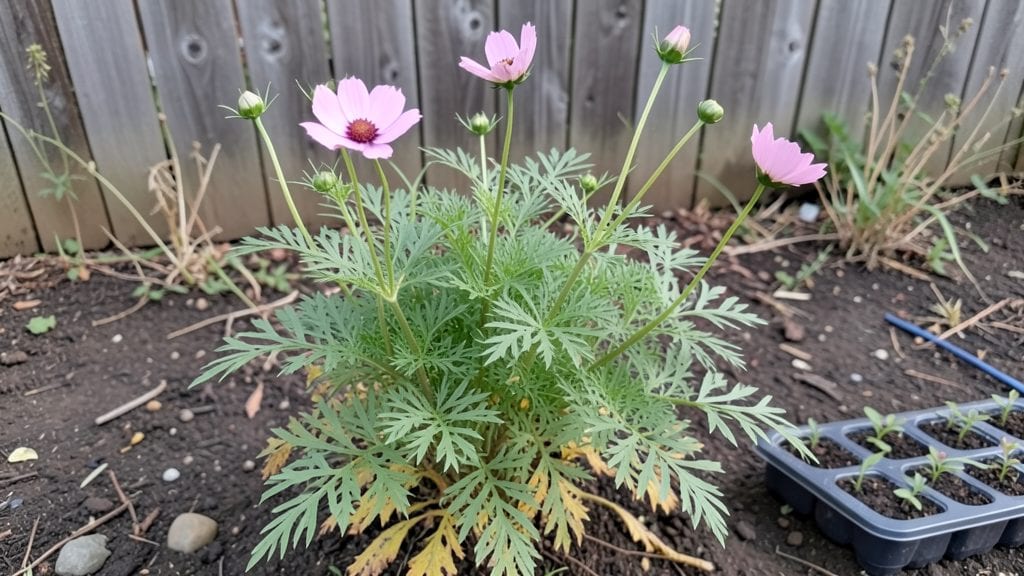
The ideal cosmos planting distance starts with 12 to 18 inches apart for those feathery, sun-loving blooms that dance in the breeze. 🌻 I learned the hard way—crowding them too close means fewer flowers and more mildew, while spacing them just right gives you a cloud of vibrant color that lasts all summer.
Sunlight is their secret weapon: cosmos thrive in full sun, but in hotter climates, afternoon shade helps prevent wilting. Well-draining soil is a must—these plants hate soggy roots. Mix in compost at planting time, and you’ll see those first delicate blooms in as little as 6 to 8 weeks.
With proper spacing, you’ll get bold, continuous blooms from early summer until frost, and the air will smell like a meadow. The taller varieties make stunning cut flowers too—just snip stems in the morning for the longest vase life. Plus, they’re deer-resistant, so even wildlife leaves them alone.
For cooler climates, plant cosmos a bit closer (10–12 inches) to create a lush, dense display. In containers, space them 10 inches apart—they’ll spill over edges beautifully.
The key is balance: enough air flow to prevent disease, but close enough to fill your garden with color. Ready to transform a sunny spot?
📚 In This Guide
- What you need
- Instructions
- Tips and common mistakes
- Wrapping up and next steps
What you need
- ● Cosmos seeds: Choose Cosmos bipinnatus (garden cosmos) or Cosmos sulphureus (bright orange/yellow varieties). Buy 1–2 packets (500–1,000 seeds) for a small garden or 5+ packets for larger areas.
- ● Well-draining potting mix: 1–2 cubic feet (for starting seeds indoors) or native soil amended with compost (for direct sowing).
- ○ Compost or organic fertilizer: 5–10 lbs (optional but recommended for nutrient-rich soil).
- ● Mulch (straw or shredded leaves): 2–3 inches to retain moisture and suppress weeds.
- ● Garden trowel or hand fork: For digging small holes (6–12 inches deep).
- ● Measuring tape or spacing grid: To ensure 12–24 inches apart (check seed packet for variety specifics).
- ● Watering can or hose with gentle spray nozzle: Cosmos seeds need consistent moisture but hate soggy soil.
- ○ Garden gloves (optional): Protects hands from prickly stems and thorns (in some varieties).
- ● Sunny location: Full sun (6+ hours daily)—cosmos thrives in heat!
- ● Well-draining soil: Avoid heavy clay; amend if needed with sand or compost.
- ● Last frost date: Wait until 2–3 weeks after for direct sowing (or start indoors 6–8 weeks before).
- ○ Pollinator-friendly plan: Optional but encouraged—plant near bee balm, marigolds, or zinnias for a buzzing garden! 🐝
Instructions for planting cosmos with perfect spacing
Here’s how to space cosmos for maximum blooms and easy maintenance—no guesswork, just vibrant results.
🌱 Step 1: Prepare the Soil and Mark Planting Spots
Cosmos thrive in well-draining soil with plenty of sunlight, so start by loosening the top 6 inches of soil with a fork or trowel. Remove any weeds or debris—cosmos grow fast and will compete with anything else for space. For 4 plants, mark a 2-foot diameter circle in your garden bed.
Use a stick or small stake to poke holes in the center of each quadrant of your circle, spaced 18-24 inches apart. This spacing ensures air circulation and prevents fungal diseases like powdery mildew. If your soil feels compacted, mix in a handful of compost into each hole—cosmos reward you with bigger blooms when they get a little extra nutrients.
☀️ Step 2: Plant Seeds at the Right Depth and Depth
Drop 2-3 seeds into each hole at a depth of ¼ inch. Planting too deep slows germination, and cosmos seeds are tiny—cover them lightly with soil and pat gently. Water the area until the soil feels moist 1 inch down, but avoid soaking it.
Here’s the thing—cosmos seeds germinate best in warm soil (60-70°F). If your spring is still chilly, wait until nighttime temperatures stay above 50°F before planting. You’ll see sprouts in 7-14 days, but don’t be surprised if germination takes longer in cooler conditions.
🌿 Step 3: Thin Seedlings to the Strongest Plant
Once seedlings reach 2-3 inches tall, carefully thin them to leave only the strongest plant in each hole. Use small scissors or your fingers to snip the weaker stems at the base—pulling can disturb the roots of nearby plants. This step is crucial because crowded cosmos produce fewer blooms and are more prone to disease.
Water the remaining seedlings at the base to settle the soil around their roots. You’ll notice the plants perk up within a day or two, signaling they’ve taken root. From here, cosmos grow quickly, so keep an eye out for leggy stems—a sign they need more sunlight.
✂️ Step 4: Space Mature Plants for Continuous Blooms
As cosmos grow, they’ll reach 3-4 feet tall and spread 1-2 feet wide. If you planted them too close, gently transplant the strongest stems to 24-inch spacing while the soil is still moist. Cosmos handle this well, and you’ll end up with fuller, more vibrant blooms.
Deadhead spent flowers regularly to encourage nonstop blooming. Pinch back leggy stems to promote bushier growth, and avoid fertilizing—cosmos are light feeders and too much nitrogen reduces flowering. With proper spacing, your cosmos will attract pollinators all season long.
💧 Step 5: Water Deeply but Infrequently
Water cosmos at the base 1-2 times per week, giving them 1 inch of water each time. Their deep roots make them drought-tolerant once established, but consistent moisture during dry spells keeps the blooms coming. Water in the morning to reduce fungal risks and let foliage dry quickly.
You’ll know your spacing is perfect when the stems stand upright, leaves are vibrant green, and blooms appear without gaps. Cosmos are forgiving, but proper spacing ensures your garden stays lush and full of color from summer through fall.
Tips & tricks for perfect cosmos planting
Here's what nobody tells you about spacing cosmos for maximum impact—these tricks will transform your garden from scattered blooms to a vibrant, pollinator magnet.
Soil Prep Secret: Before marking your 2-foot circle, test your soil's drainage by digging a small hole and filling it with water. If it doesn't drain within 30 minutes, mix in coarse sand or perlite to improve drainage. Cosmos hate soggy feet, and proper drainage is the foundation for those bold blooms we're all after.
Thinning Technique: When thinning seedlings in Step 3, wait until they're at least 2-3 inches tall—this gives you enough stem to work with when snipping. I use clean, sharp scissors dipped in rubbing alcohol between cuts to prevent spreading disease. The strongest plant will have the most vibrant leaves and sturdy stems, so choose wisely!
Temperature Timing: Those 60-70°F soil temps in Step 2 are non-negotiable for germination. If your spring is still chilly, create a mini greenhouse by covering planted areas with clear plastic until nighttime temps consistently stay above 50°F. This simple trick can cut your germination time from weeks to just days.
Mature Plant Strategy: In Step 4, if you notice your cosmos leaning toward sunlight, it's time to transplant. The 24-inch spacing might seem generous, but it's what creates that airy, show-stopping look. For taller varieties, space them 30 inches apart—they'll thank you with bigger blooms and better air circulation.
Pro Tips for Cosmos Planting Distance
- Here's what nobody tells you about spacing cosmos for maximum impact—these tricks will transform your garden from scattered blooms to a vibrant, pollinator magnet.
- Soil Prep Secret: Before marking your 2-foot circle, test your soil's drainage by digging a small hole and filling it with water.
- Thinning Technique: When thinning seedlings in Step 3, wait until they're at least 2-3 inches tall—this gives you enough stem to work with when snipping.
Frequently asked questions
What’s the ideal planting distance for cosmos?
For Cosmos bipinnatus (the classic garden cosmos), space plants 12–18 inches apart in rows spaced 18–24 inches apart. Dwarf varieties (like ‘Sensation’) can snuggle in at 8–12 inches apart. Give them room to sway—crowding leads to leggy stems and fewer flowers!
Can I plant cosmos too close together?
Yes, but expect competition for sunlight and nutrients, which weakens plants and reduces blooms. Overcrowded cosmos may also flop or develop fungal issues from poor airflow. Thin seedlings to the recommended spacing once they’re 4–6 inches tall.
Do cosmos need to be spaced differently in containers?
In pots, use 1 plant per 6–8 inches of container width (e.g., 1 cosmos in a 6-inch pot, 3–5 in a 12-inch container). Ensure containers have drainage holes—cosmos hate soggy roots!
Will spacing affect how long cosmos bloom?
Proper spacing = longer, more abundant blooms! When plants aren’t crowded, they focus energy on flowers instead of competing for resources. Deadhead spent blooms (snip just above a set of leaves) to encourage nonstop blooming from summer to frost.
What if my cosmos plants look leggy or sparse?
Leggy cosmos often signal too much shade or overcrowding. Thin plants to the correct spacing and move containers to full sun (6+ hours daily). For extra vigor, add a balanced fertilizer (like 10-10-10) at planting and mid-season.
Can I interplant cosmos with other flowers?
Yes! Cosmos are great companions—pair them with marigolds (pest control), zinnias (color contrast), or herbs like basil (they tolerate similar conditions). Just avoid planting near mint or lamium, which can outcompete them.
Wrapping up and next steps
Mastering the cosmos planting distance is your secret weapon for a garden bursting with vibrant blooms all season long! 🌻 By spacing your cosmos just right—typically 12-18 inches apart—you’ll ensure strong stems, better airflow, and a showstopping display that keeps bees and butterflies buzzing.
Whether you’re a seasoned gardener or just starting out, these spacing secrets make success effortless.
Ready to transform your garden? Grab your seeds, mark your rows, and plant with confidence—your future floral masterpiece is just a few inches away! 🌱 For even more tips, check out our guide on companion planting to maximize your cosmos’ potential.