
Shrubs
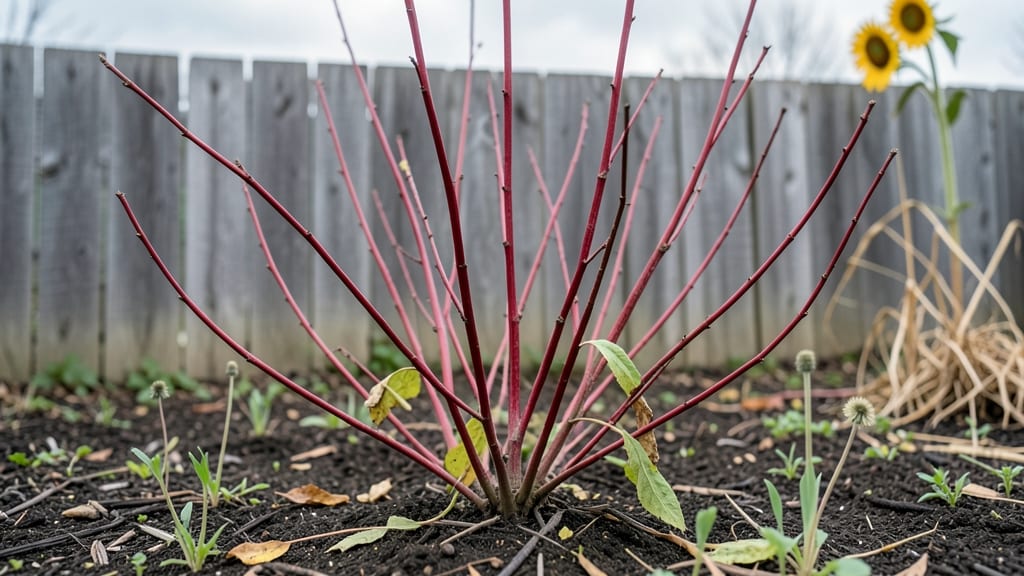
Mastering the red osier dogwood planting distance is key—too tight, and your shrubs will fight for space, dulling their fiery stems and stealing their star power. ✨ I’ve learned that cramming these shrubs too close stunts their vibrant red stems and lush foliage—something you definitely don’t want when you’re dreaming of winter color.
The key is giving them room to breathe while creating that dramatic, layered look.
For hedges or borders, space plants 6 to 8 feet apart—this ensures they fill in beautifully without competing for sunlight. In wild landscapes or naturalized areas, stretch that to 10 to 12 feet so they spread organically.
Red osier dogwood thrives in full sun to partial shade, so pick a spot where they’ll get at least 4 to 6 hours of sunlight daily for those signature red stems to pop.
When you nail the spacing, you’ll see bold, arching branches and stems that glow like fire in winter. The trade-off? Less frequent pruning and fewer pests because air circulates properly.
Overcrowding, on the other hand, leads to weak growth, disease, and stems that fade to a dull brown—definitely not the look you’re going for.
Pro tip: Plant in early spring or fall when the soil is workable but not soggy. Amend heavy clay with compost to improve drainage, and mulch around the base to keep roots cool.
With the right spacing, these shrubs will reward you for years with season-long interest—from spring blooms to fall foliage and winter drama.
📚 In This Guide
- What you need
- Instructions
- Tips and common mistakes
- Wrapping up and next steps
What you need
- ● Red osier dogwood plants: 3–5 bare-root or container-grown plants (depending on desired coverage). Choose healthy specimens with vibrant red stems.
- ● Shovel or trowel: A sturdy digging shovel (for larger holes) or a hand trowel (for precision planting).
- ● Compost or well-aged manure: 2–3 gallons per plant to enrich soil fertility.
- ○ Mulch (optional but recommended): 2–3 inches of wood chips, straw, or pine needles to retain moisture and suppress weeds.
- ● Watering can or hose with a gentle spray nozzle: For thorough hydration post-planting.
- ● Gloves and knee pads: Protect your hands and knees—trust us, they’ll thank you!
- ● Soil test kit: To check pH (ideal range: 5.0–6.5) and adjust if needed.
- ● Slow-release fertilizer: A balanced 10-10-10 or organic option for a nutrient boost.
- ● Planting stakes or cages: If your area is windy, secure young plants to prevent toppling.
- ● Pruning shears: For trimming any damaged stems or shaping the plant post-planting.
How to space red osier dogwood for bold winter color
Perfect spacing ensures vibrant stems and healthy growth—here’s how to plant them for maximum impact.
🌱 Step 1: Choose the Right Location and Sunlight
Red osier dogwood thrives in full sun to partial shade, but for the boldest red stems, plant in at least 6 hours of direct sunlight daily. I always scout the site first—look for areas with morning sun and afternoon shade if your climate runs hot. The stems lose their vibrant color if shaded too much.
This shrub grows 6-8 feet tall and wide, so avoid planting near structures or other plants that will compete for space. Check for underground utilities before digging—red osier has aggressive roots that can damage pipes or sidewalks over time.
🪴 Step 2: Dig Holes at the Correct Spacing
For 4 plants, space them 8-10 feet apart in all directions. This gives each shrub room to spread without overcrowding, which weakens stem color and invites pests. Dig holes twice as wide as the root ball—about 12-18 inches across—but only as deep as the root ball itself.
Loosen the sides of the hole with a shovel or hands to help roots spread into the surrounding soil. If your soil is heavy clay, mix in a handful of compost to improve drainage. The goal is to create a loose, airy environment for roots to establish quickly.
☀️ Step 3: Plant and Water for Immediate Establishment
Place the plant in the hole so the top of the root ball sits 1 inch above ground level. This prevents stem rot from sitting water. Backfill with native soil, pressing gently to remove air pockets but not compacting too tightly. Water deeply right after planting—1 gallon per plant—to settle the soil and encourage root contact.
Mulch around the base with 2-3 inches of wood chips or shredded bark, keeping it 6 inches away from the stem to prevent rot. The mulch retains moisture and regulates soil temperature, which is especially helpful in hot summers. Check soil moisture weekly—water when the top 2 inches feel dry.
✂️ Step 4: Prune for Shape and Encourage Vibrant Stems
Prune in late winter or early spring before new growth begins. Remove any dead, diseased, or crossing branches first. Then, shape the shrub by cutting back overgrown stems to 1/3 of their length. This stimulates fresh, colorful growth for the season.
Watch for stems that lose their red hue—this often signals overcrowding or too much shade. If you notice pale stems, thin out the center of the shrub to improve airflow. Red osier dogwood is tough once established, but proper spacing from day one ensures those signature winter stems stay bold and bright.
Tips & tricks for perfect red osier dogwood planting
Here's what I've learned after planting these vibrant shrubs for years—these little details make all the difference for bold winter color.
Sunlight Strategy: That 6 hours of direct sunlight isn't just a minimum—it's the sweet spot for maximum stem color. I've found that morning sun (east-facing) plus afternoon shade (west-facing) works best in hot climates. The stems actually develop deeper red hues when they get that morning light. If you're in a cooler climate, you can push it to full sun all day long—just monitor for leaf scorch in extreme heat.
Spacing Secret: The 8-10 foot spacing might seem generous, but trust me on this—it prevents overcrowding that dulls those signature red stems. I once planted mine 6 feet apart and noticed the center stems lost their vibrant color after just two years. For larger landscapes, you can stretch this to 12 feet apart if you want more dramatic winter impact with fewer plants.
Root Ball Technique: When you're digging those 12-18 inch wide holes, focus on creating a loose, aerated soil environment around the root ball. I like to use my fingers to break up any compacted soil at the bottom of the hole—this helps roots spread out quickly. For heavy clay soils, mixing in a handful of compost at the bottom creates a perfect transition zone for new root growth.
Winter Color Maintenance: After planting, watch for stems that develop pale or greenish hues—this is your first sign of overcrowding. In Step 4, when you're pruning, don't hesitate to thin out the center of your shrubs to improve airflow. I've seen dogwoods go from dull stems to vibrant red in just one growing season after proper thinning. The key is to create an open, airy structure that lets sunlight reach all the stems.
Pro Tips for Red Osier Dogwood Planting Distance
- Here's what I've learned after planting these vibrant shrubs for years—these little details make all the difference for bold winter color.
- Sunlight Strategy: That 6 hours of direct sunlight isn't just a minimum—it's the sweet spot for maximum stem color.
- Spacing Secret: The 8-10 foot spacing might seem generous, but trust me on this—it prevents overcrowding that dulls those signature red stems.
Frequently asked questions
What’s the ideal spacing for red osier dogwood plants?
The general rule is 6 to 10 feet apart for red osier dogwoods. This spacing ensures good airflow, reducing disease risk and allowing each plant to develop vibrant stems. For hedges, plant them 3 to 5 feet apart and prune regularly to maintain density.
Can I plant red osier dogwood too close together?
Yes, but expect crowded growth, weaker stems, and increased disease risk. If you plant them too close (under 3 feet apart), they’ll compete for nutrients and sunlight, leading to leggy or sparse foliage. Thin out seedlings if overcrowding occurs.
When is the best time to plant red osier dogwood?
The ideal times are early spring or early fall when temperatures are mild. Avoid planting in extreme heat or frost, as young roots are sensitive. Spring planting gives plants time to establish before winter, while fall planting allows root growth before dormancy.
Does red osier dogwood need full sun, or can it tolerate partial shade?
While it thrives in full sun (6+ hours/day), red osier dogwood can tolerate partial shade (3–6 hours/day), especially in hot climates. However, stem color intensity may fade in deep shade. For the brightest red stems, prioritize sunny locations.
What if my red osier dogwood isn’t growing well after planting?
Check for poor soil drainage, overwatering, or nutrient deficiencies. Ensure the soil is well-draining, mulch to retain moisture, and fertilize lightly in early spring. If stems appear weak or yellow, test for pests (like aphids) or fungal issues and treat accordingly.
Wrapping up and next steps
Planting red osier dogwood with the right spacing—6 to 10 feet apart—sets the stage for stunning, sun-drenched growth that’ll brighten your landscape for years. 🌿 Whether you’re lining a border, creating a privacy screen, or adding winter interest, proper spacing ensures airflow, reduces disease risk, and lets those vibrant stems really shine.
Now’s your chance to transform your yard into a showstopper—grab your gloves, mark those spots, and get planting! Need a pro tip? Check out our guide on soil prep and post-planting care to keep your dogwood thriving.