
Propagation
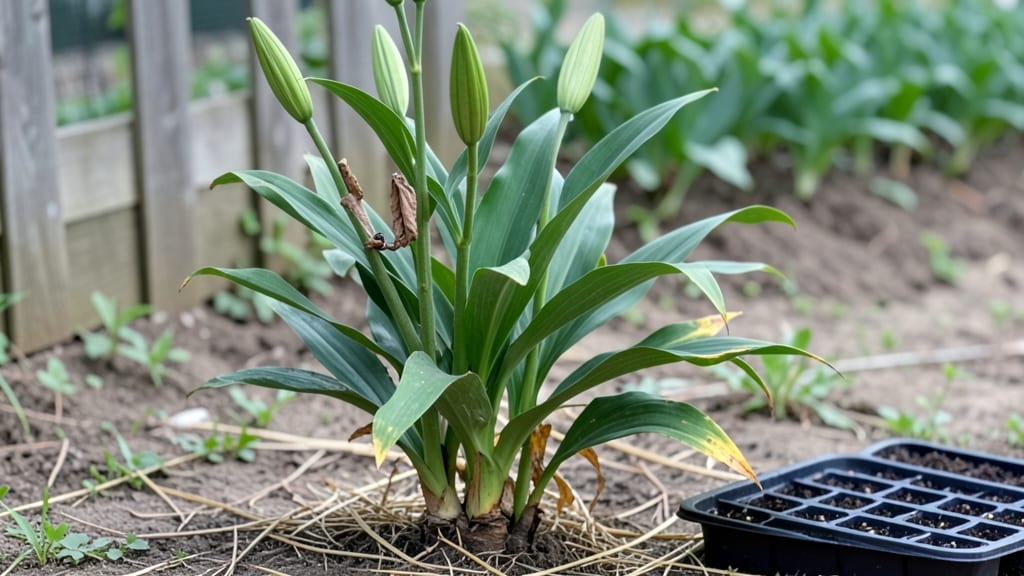
Planting lily seeds the right way cuts germination time from months to weeks. ✨ I’ve struggled with slow-sprouting lilies for years—until I discovered these three simple adjustments that make all the difference. The secret isn’t complicated, but it’s not what most guides tell you either.
Start with well-draining soil mixed with perlite or sand, then plant seeds just below the surface—no deeper than ½ inch. Too much soil smothers them, while shallow planting encourages quick sprouts.
Water lightly but consistently, keeping the soil damp (not soggy), and place them in bright, indirect light until you see those first green tips.
Within 2-4 weeks, you’ll watch tiny shoots push through the soil, ready to grow into sturdy plants. The key is patience and precision—skip the guesswork, and you’ll avoid the common pitfalls that leave seeds sitting dormant for months. Here’s exactly how to do it right.
This method works for both spring and fall planting, depending on your climate. Just adjust your timing to avoid frost—lilies hate cold soil. Once you’ve mastered these steps, you’ll have a head start on growing lush, thriving lilies that bloom faster than ever.
📚 In This Guide
- What you need
- Instructions
- Tips and common mistakes
- Wrapping up and next steps
What you need
- ● Lily seeds: Fresh, high-quality seeds (check the packet for variety-specific needs). Aim for at least 10 seeds to increase germination odds.
- ● Seed-starting mix: Lightweight, well-draining potting soil (avoid garden soil—it’s too dense!). A 5-gallon bag should suffice for small batches.
- ● Containers: Small pots (3–4 inches deep) or seed trays with drainage holes. 1–2 containers per seed works best for spacing.
- ○ Grow lights or sunny windowsill: Lilies need 12–16 hours of light daily. A LED grow light (optional but ideal for indoor setups) ensures consistent growth.
- ● Misting bottle or spray nozzle: Keeps soil moist without drowning seeds. 1–2 sprays per day is perfect.
- ● Plastic wrap or humidity dome: Retains moisture until germination (usually 4–8 weeks). A clear plastic bag works in a pinch!
- ○ Thermometer (optional but helpful): Lilies germinate best at 65–75°F (18–24°C). A simple soil thermometer ensures ideal temps.
- ● Heat mat: Speeds up germination if your space is cool ($15–$25 for small mats).
- ● Fertilizer (balanced, low-nitrogen): Like a 5-5-5 or 10-10-10 mix. Wait until seedlings sprout 2–3 leaves before applying.
- ● Labeling tags: Track seed varieties—especially useful if planting multiple types!
- ● Tweezers: For delicate seed placement (great for tiny or tricky seeds).
How to plant lily seeds for fast germination
Here's how to get those seeds sprouting in record time with minimal fuss—no waiting months for results.
🌱 Step 1: Stratify Seeds for Speed
Lily seeds need a cold period to break dormancy, so I place them in a sealed plastic bag with a damp paper towel. Store the bag in the fridge for 4-6 weeks—this mimics winter conditions and triggers faster germination once planted. Check weekly to ensure the towel stays moist but not soggy.
Real talk: Skipping stratification means waiting 6-12 months for germination. I’ve tried planting fresh seeds straight into soil, and they either rot or take forever. The cold treatment is worth the wait—you’ll see tiny roots peeking in 2-3 weeks after planting.
💧 Step 2: Plant in Well-Draining Soil
Fill a 6-inch deep pot with sterile potting mix (never garden soil—it’s too dense). Press the mix lightly so it’s firm but not compacted. Plant stratified seeds ½ inch deep, spacing them 3 inches apart to avoid crowding. Gently water until the soil is damp but not waterlogged.
Use a small stick or pencil to make holes—it’s easier than digging with your fingers. If you’re planting outdoors, choose a spot with partial shade and well-draining soil. Lilies hate soggy roots, so amend heavy clay with 1 part perlite to 3 parts soil if needed.
☀️ Step 3: Provide Warmth and Humidity
Place the pot in a warm spot (65-75°F)—a sunny windowsill or under a grow light works best. Cover the pot with a clear plastic dome or plastic wrap to retain moisture and warmth. Check daily and remove the cover for 10 minutes to prevent mold—you’ll see condensation on the inside.
Germination happens fastest when the soil stays consistently moist. I use a spray bottle to mist the surface instead of pouring water, which can dislodge seeds. Within 3-6 weeks, you’ll spot tiny green shoots—that’s your signal to reduce humidity by removing the cover entirely.
✂️ Step 4: Thin and Transplant Seedlings
Once seedlings reach 2 inches tall, thin them to the strongest 1-2 per pot. Use scissors to snip weak stems at soil level—pulling risks damaging roots. If growing in a container, transplant into individual 8-inch pots with fresh potting mix when they hit 4 inches tall. Harden off for 1 week before moving outdoors.
I always transplant on a cloudy day to reduce shock. Water deeply after planting to settle the soil around roots. Outdoor lilies need morning sun and afternoon shade—too much direct sun scorches young leaves. Mulch with 2 inches of shredded bark to retain moisture and protect roots.
Tips & tricks for perfect lily seed germination
Fast germination isn't luck—it's about timing, temperature, and tiny details that make all the difference. Here's how to get those lily seeds sprouting in record time.
Cold Treatment Precision: The 4-6 week fridge cold treatment is non-negotiable for breaking dormancy, but here's the secret: use a refrigerator temperature of 34-38°F—this is colder than most kitchen fridges. I place my bag on the bottom shelf where it's consistently cold. If your fridge runs warmer, extend the stratification to 8 weeks to compensate. That 2-3 week germination window after planting starts counting from when you remove seeds from cold!
Soil Moisture Balance: In Step 3, when maintaining that warm 65-75°F spot, aim for soil that feels like a wrung-out sponge—not bone dry, not dripping wet. I test by squeezing a handful: water should gently squeeze out, not leave puddles. Overwatering in that humidity dome causes root rot, while dry soil makes seeds shrivel. The 10-minute daily cover removal prevents mold buildup while maintaining humidity—don't skip this!
Lighting Strategy: For indoor grow lights, position them 6 inches above seedlings once they sprout. I use a simple LED bulb on a timer for 12 hours/day—no fancy equipment needed. Natural sunlight works too, but rotate your pot daily for even growth. The goal is bright but indirect light until seedlings reach 2 inches tall, then you can gradually introduce more direct sun.
Transplanting Timeline: The 1-week hardening off period is crucial before outdoor planting. I start by moving pots outside for just 1 hour on day 1, then gradually increase to full sun exposure by day 7. Watch for wilting—if leaves droop, they're not ready yet. Outdoor lilies need that morning sun/afternoon shade to prevent scorching, especially in hot climates where afternoon sun can exceed 85°F.
Pro Tips for Planting Lily Seeds
- Fast germination isn't luck—it's about timing, temperature, and tiny details that make all the difference.
- Cold Treatment Precision: The 4-6 week fridge cold treatment is non-negotiable for breaking dormancy, but here's the secret: use a refrigerator temperature of 34-38°F—this is colder than most kitchen fridges.
- Soil Moisture Balance: In Step 3, when maintaining that warm 65-75°F spot, aim for soil that feels like a wrung-out sponge—not bone dry, not dripping wet.
Frequently asked questions
Got questions about planting lily seeds? You’re not alone!
Here are the most common queries—and straightforward answers—to help you grow lilies with confidence.
How long do lily seeds take to germinate?
Patience is key! Lily seeds typically take 30–90 days to germinate, depending on temperature, moisture, and seed freshness. Keep soil consistently moist (but not soggy) and maintain warmth (around 70–75°F) for the best results. Some varieties may take even longer—don’t give up if sprouts are slow!
What’s the best time of year to plant lily seeds?
For fastest germination, plant seeds in early spring (after the last frost) or late summer (6–8 weeks before the first frost). This gives seeds time to establish roots before harsh weather. If you’re in a warm climate, fall planting can also work—just ensure soil temps stay above 50°F.
Can I grow lilies from seeds instead of buying bulbs?
While bulbs offer quicker blooms, growing from seeds is rewarding and cost-effective. Just know that seed-grown lilies may take 2–3 years to flower compared to 1–2 years for bulbs. Choose heirloom or hybrid seeds for unique varieties, and be prepared for slower but satisfying results.
Why aren’t my lily seeds sprouting?
Common culprits include dry soil, poor drainage, or cold temperatures. Double-check your setup: seeds need consistent moisture, well-draining soil, and warmth. If using store-bought seeds, verify they’re not expired—freshness matters! Try scarifying seeds (lightly nicking the outer shell) to encourage germination.
Do lily seeds need light to germinate?
Nope! Lily seeds germinate best in darkness. Plant them ½ inch deep in soil and keep them covered until sprouts appear (about ¼ inch tall). Once seedlings emerge, move them to bright, indirect light to prevent legginess. Avoid direct sun until they’re established.
Wrapping up and next steps
Planting lily seeds is a rewarding journey that blends patience with the joy of nurturing life! 🌱 With the right materials, pro tips, and a dash of care, you’ll soon watch those seeds sprout into vibrant blooms.
Remember: consistency in moisture, warmth, and light is key—your lilies will thank you with stunning results.
Ready to take the next step? Start small—try a few seeds in pots before expanding. And if you hit a snag, don’t hesitate to revisit our FAQs for quick solutions. Happy planting—your garden’s masterpiece is just seeds away! ✨