
Planting
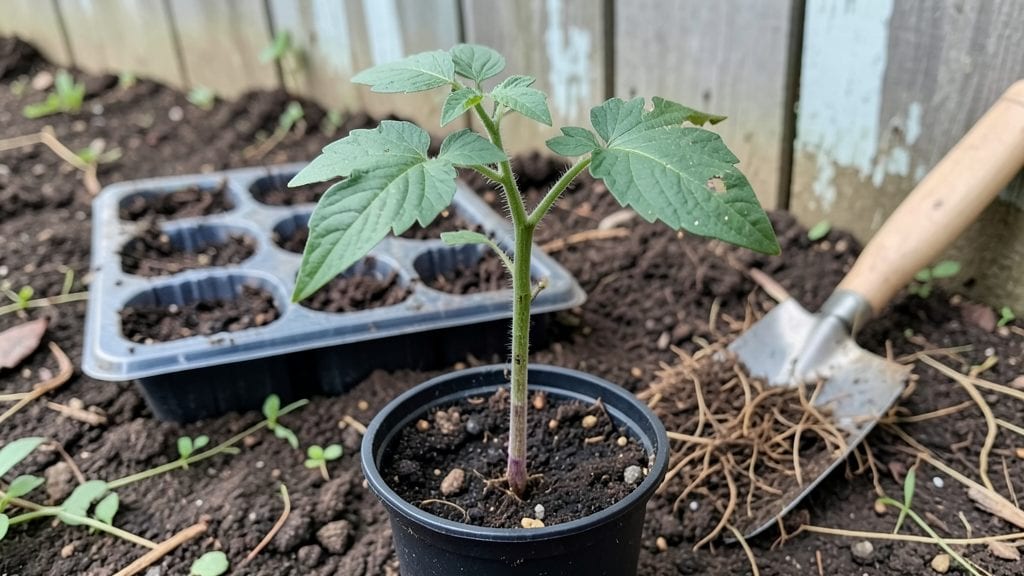
Knowing the planting dates 2025 for your region is the difference between a garden that bursts with life and one that barely survives.
Missed planting season last year? Don’t let 2025 catch you off guard—whether you're a first-time gardener or a seasoned green thumb, timing is everything for success. A single week too early or late can mean the difference between a bountiful harvest and a sad, wilted disappointment.
In USDA Zone 6a, where last frost typically hits around April 15, the right planting window ensures your vegetables, flowers, and herbs thrive.
But with 165 frost-free days to work with, not every crop plays by the same rules—cool-season greens like spinach need to go in early, while heat-lovers like tomatoes demand warmer soil.
Here’s what you’ll discover: the exact month-by-month calendar for your zone, how to adjust for microclimates, and the 3 biggest planting mistakes that ruin harvests—so you can plan ahead and grow with confidence.


2025 Planting dates by USDA hardiness zones: exact months for vegetables, flowers & herbs
Timing your garden correctly in 2025 means the difference between a bountiful harvest and wasted seeds. The USDA hardiness zones act as your gardening compass, guiding when to plant everything from cold-hardy kale to heat-loving tomatoes.
Each zone has its own last frost date, which determines your planting window—whether you're in frost-prone Zone 3 or mild Zone 10. Below, I’ve broken down the exact months for planting vegetables, flowers, and herbs, so you can start your garden with confidence.
For most gardeners, the spring planting season kicks off in March or April, depending on your zone, while fall planting typically runs from August to October. Cold-hardy crops like spinach and peas can often be sown weeks before the last frost, while warm-season plants like peppers and cucumbers need soil temperatures above 60°F to thrive.
Below, I’ve organized the data by zone to help you plan your 2025 garden calendar like a pro.
Pro Tip: Use a soil thermometer to confirm soil warmth before planting heat-lovers. Many seeds won’t germinate until the ground reaches 50–70°F, depending on the variety.
🌱
If you’re in Zone 3 or 4, your spring planting window is short—start cold-hardy crops like spinach and kale indoors in February to get a head start. In Zones 7–10, you can plant tomatoes and peppers as early as February, thanks to milder winters.
For fall planting, aim to sow seeds 8–10 weeks before your first frost to ensure a harvest before cold sets in.
🌿
For flowers and herbs, timing varies widely. Annuals like marigolds and basil thrive when planted after the last frost, while perennials like lavender can handle cooler soil. Herbs such as cilantro bolt in heat, so plant them in early spring or fall in hotter zones.
Meanwhile, rosemary and thyme love the heat and can be planted year-round in Zones 8–10.
🌱
Don’t forget to account for succession planting—this means sowing new seeds every 2–3 weeks for crops like lettuce or radishes to ensure a continuous harvest. For example, in Zone 6, you might plant lettuce on <
How to adjust planting dates for your microclimate (even if you’re not in a ‘typical’ zone)
Not every garden fits neatly into a USDA hardiness zone. Urban heat islands, high-altitude chill, or coastal breezes can shift your planting dates 2025 by weeks—even months!
If your microclimate feels like a puzzle, don’t stress. With a few practical adjustments, you can sync your garden with nature’s rhythm, no matter where you live.
Start by identifying your local microclimate. Is your backyard nestled in a valley (cooler nights)? Or baked by concrete and pavement (warmer days)? These factors can delay or rush your growing season.
For example, a rooftop garden in Zone 7 might need earlier starts than ground-level plots, while a mountain garden could push back dates by 2-4 weeks.
- Use a soil thermometer to confirm when soil reaches 50°F+ for cool crops or 60°F+ for warm-lovers like tomatoes. 2025’s unpredictable weather means guessing won’t cut it!
- Check frost-free date calculators (like Almanac’s Frost Calculator) and adjust ±2 weeks based on your microclimate’s history. Coastal areas? Add 10-14 days to frost dates.
- Try companion planting to extend seasons—pair cool-season crops (kale, spinach) with warm-season plants (basil, peppers) for staggered harvests.
- For high-altitude gardens, plant 2-3 weeks later than zone guidelines. Every 1,000 feet up can add 1-2°F cooler temps.
- Urban gardeners? Use row covers or cold frames to start seeds 3-4 weeks earlier in spring or extend fall harvests by 6+ weeks.
Don’t overlook historical weather patterns in your area. If your last frost date has shifted in recent years (like many regions seeing earlier springs), trust local data over generic zone charts.
For instance, Zone 5 gardens in the Midwest might now safely plant cucumbers in late May instead of June.
For coastal gardeners, humidity and salt spray can stress plants. Opt for drought-tolerant varieties (like rosemary or thyme) and plant 1-2 weeks earlier than inland zones.
Meanwhile, desert gardeners should focus on shade cloth and mulch to protect seedlings from intense sun and adjust watering to early morning only.
Pro tip: Keep a planting journal in 2025! Note which dates worked and which didn’t. For example, if your zucchini thrived when planted June 10 but bolted by June 1, adjust next year’s schedule. Small tweaks now mean bigger harvests later—no matter your microclimate!