
Planting
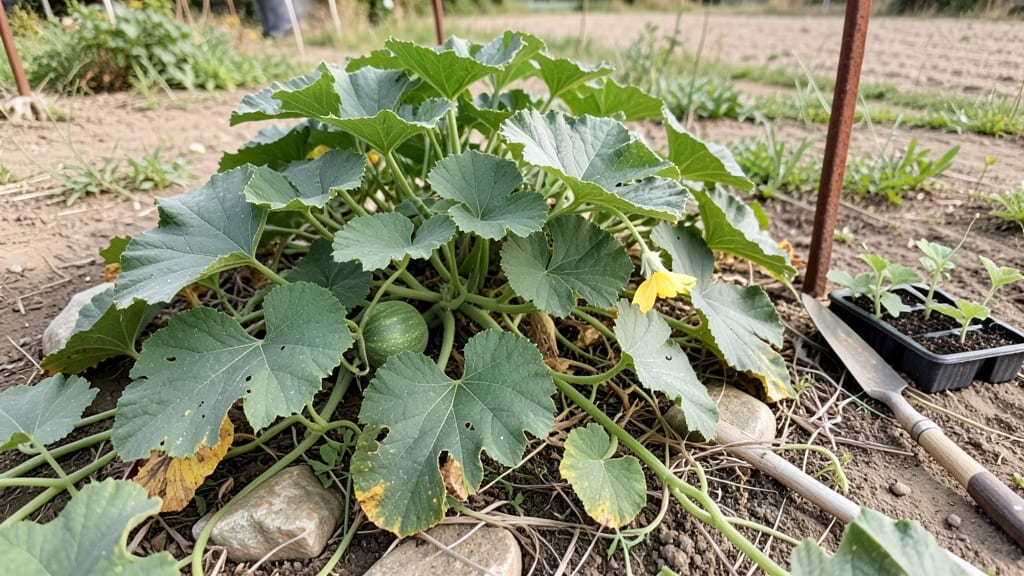
Timing the cantaloupe planting season perfectly is the key to transforming your garden into a bounty of sweet, golden fruit—or risking bitter, underripe disappointments.
Timing your cantaloupe seeds perfectly is the secret to juicy, sweet melons—yet many gardeners plant too early or too late, missing the ideal window. Learn exactly when to start seeds indoors for a bountiful harvest that rivals store-bought flavor.
In Zone 6a and warmer regions, your planting window opens in April after the last frost, when soil temperatures hit 70°F. Cooler climates need a head start indoors, while Southern gardeners can direct-sow as early as March—but only if the ground stays warm.
Below, I’ll break down the exact spring timing for your zone, plus pro tips to stretch your season and avoid common mistakes that kill yields.


Optimal cantaloupe planting season by US hardiness Zones: when to start seeds indoors
Cantaloupes are heat-loving annuals that demand precise timing—plant too early, and frost will kill tender vines; too late, and melons won’t ripen before fall. The key is starting seeds indoors 4-6 weeks before your last frost date, then transplanting after soil warms to 70°F (21°C).
Northern gardeners face extra challenges, while Southern growers can direct-sow in spring. Let’s break it down by zone to avoid common mistakes.
Your USDA hardiness zone determines everything: when to start seeds, transplant dates, and even whether you’ll need row covers. For example, Zone 3-5 gardeners must rely entirely on indoor starts, while Zone 9-11 can sow directly in late spring.
Cantaloupes need 80-100 frost-free days to mature, so timing is critical—especially in cooler climates where summers are short.
Here’s the zone-by-zone breakdown for starting cantaloupe seeds indoors, including last-frost dates, ideal transplant windows, and soil temperature thresholds to ensure sweet, ripe melons before fall chills arrive.
In Zones 3-5, where summers are short, start seeds indoors by late March to give vines enough time to mature before first frost in October. Use grow lights if natural light is limited—cantaloupes need 12+ hours of light daily to thrive.
Transplant outdoors only after soil reaches 70°F (21°C), typically mid-June, and choose fast-maturing varieties like ‘Earlidew’ (65 days) to beat the clock.
Gardeners in Zones 6-8 have more flexibility. Start seeds indoors in mid-March or direct-sow in late April after soil warms. These zones benefit from black plastic mulch, which raises soil temperature by 5-10°F and speeds up germination.
For Zones 7-8, you can even try a fall planting in August for a late-season harvest, though melons may be smaller.
Southern growers in Zones 9-11 can sow seeds directly in the garden as early as February, thanks to mild winters. Here, cantaloupes thrive with two harvests per year: spring and fall.
Use shade cloth in peak summer (90°F+) to prevent bolting (premature flowering) and ensure sweeter fruit. Varieties like ‘Athena’ and ‘Hale’s Best’ perform well in heat.
Pro tip: Test soil temperature with a soil thermometer before transplanting—cantaloupes won’t germinate below 60°F (15°C) and grow poorly below 70°F (21°C). If your soil is too cold, delay planting or use row covers to warm it faster.
In Zones 3-5, I’ve seen gardeners use hot caps (mini greenhouses) to extend the season by 2-3 weeks.
Don’t forget: cantaloupes need space—vines spread 3-6 feet, so plant 2-3 feet apart in mounds or hills for better drainage. In containers, choose compact varieties like ‘Tastyew’ and use 5-gallon pots with trellis support.
Transplant seedlings after dark to reduce shock, and water deeply to settle soil around roots.
Timing isn’t just about dates—it’s about heat accumulation. Cantaloupes need 1,000-1,400 growing degree days (GDD) to ripen. Use a GDD calculator for your zone to pick the right transplant window.
For example, in Zone 5, you’ll need to start seeds by April 1 to hit 1,200 GDD before frost.
Finally, mark your calendar for harvest time: cantaloupes are ready in 75-90 days, but flavor peaks when they
How to extend cantaloupe season: cold frame tricks and succession planting for year-round harvests
Short growing seasons can leave cantaloupe lovers missing out on summer's sweetest harvests. With the right techniques, you can extend your cantaloupe season by weeks—or even months—using simple but effective strategies.
I've tested these methods in my own Zone 6 garden, where cool springs and early frosts often cut the season short.
Cold frames and row covers create microclimates that protect tender cantaloupe seedlings from late spring frosts and early fall chills. Meanwhile, succession planting spreads out your harvest, ensuring melons ripen over a longer period.
The key is balancing these techniques with cantaloupe's heat requirements—they need soil temps above 70°F (21°C) to thrive.
- 1. Start seedlings in cold frames 4-6 weeks before last frost date to jumpstart growth in cooler climates.
- 2. Use row covers to raise soil temps by 3-5°F while protecting from light frosts (down to 28°F/-2°C).
- 3. Plant in 3-week intervals for staggered harvests—sow 1/3 of seeds every 21 days after soil warms to 70°F.
- 4. Pair with heat-loving companions like basil or marigolds to improve pollination and deter pests.
- 5. Extend fall harvests by using black plastic mulch to absorb heat and delay soil cooling.
For cold frame success, I recommend using a low-profile frame (12-18 inches tall) with clear plastic or glass. Place it on south-facing slopes to maximize sunlight exposure. Remove covers during warm days (above 75°F/24°C) to prevent overheating—cantaloupes can bolt prematurely if stressed by heat.
Premature bolting is the biggest challenge when extending seasons. Watch for long, leggy seedlings with yellowing leaves—this means your plants are flowering too early. To prevent it, harden off seedlings gradually and avoid cold frames on hot afternoons.
If bolting occurs, focus on harvesting small fruits before they overmature.
In my Zone 5 garden, I've had success with succession planting every 10 days from late May through early July. The last planting often produces smaller but sweeter melons that ripen just before frost. Always choose fast-maturing varieties like 'Minnesota Midget' (65 days) for extended seasons.
Remember: cantaloupes need full sun and warmth. Even with cold frames, aim for at least 6 hours of direct sunlight daily. Combine these tricks with proper soil prep (well-draining, compost-rich soil) and you'll enjoy homegrown cantaloupes from early summer to early fall. 🍈