
Vegetables
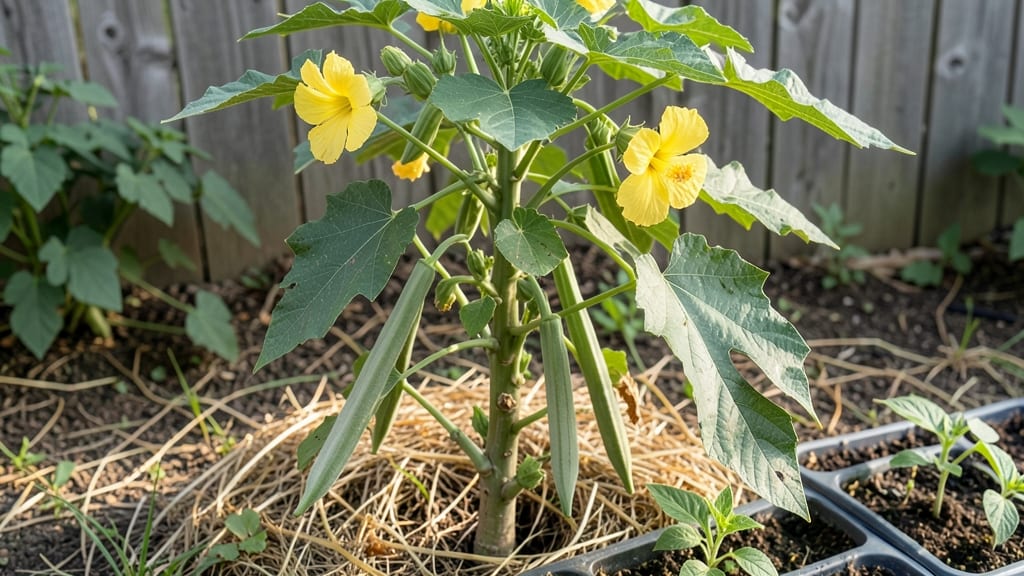
Planting Clemson Spineless okra is the shortcut to a summer of tender pods without the hassle of prickly spines or stubborn vines.
I’ve grown this variety for three years now, and it’s the only okra that actually behaves—no gloves required, no thorns to snag your fingers, just smooth, productive plants that reward you with harvests every 3-4 days once they get going.
The secret starts with warm soil—wait until after your last frost when nighttime temps stay above 60°F, because cold soil slows germination to a crawl.
Clemson Spineless thrives in loose, well-draining soil with a touch of compost worked in, and it loves full sun, so pick the sunniest spot in your garden.
I plant mine in rows 18-24 inches apart, with seeds 1 inch deep and 6 inches between plants, because crowding leads to weak stems and fewer pods.
What you’ll end up with is a plant that looks like a small tree—thick, sturdy, and covered in 3-4 inch pods by midsummer. The pods stay tender for days longer than other varieties, and the flavor is milder, almost sweet when harvested young.
Water consistently but avoid soggy soil, and watch for squash bugs or aphids early on—they adore young okra plants.
This variety handles heat and humidity like a champ, making it perfect for Southern gardens but adaptable even in shorter seasons if you start seeds indoors.
The real magic happens when you let a few pods mature for seeds to save for next year—your neighbors will be asking for cuttings by August. Let’s get those seeds in the ground!
📚 In This Guide
- What you need
- Instructions
- Tips and common mistakes
- Wrapping up and next steps
What you need
- ● Clemson Spineless Okra Seeds: 20–50 seeds (depending on desired yield; ~10 plants per household is a great start).
- ● Well-draining potting mix or garden soil: 10–20 lbs (for containers) or enriched garden bed soil (pH 6.0–6.8).
- ● Compost or organic fertilizer: 5–10 lbs (for nutrient-rich soil).
- ● Watering can or hose with a gentle spray nozzle.
- ● Garden trowel or transplanting spade.
- ● 5-gallon containers or garden bed space (12–18 inches apart for spacing).
- ● Mulch (straw or wood chips): 2–3 inches (to retain moisture and suppress weeds).
- ○ Optional: Plant markers (to track seedlings).
- ● Pruning shears (for harvesting and trimming).
- ● Row cover or shade cloth (if planting in hot climates).
- ● Warm weather: Clemson Spineless Okra thrives in temperatures 75–90°F (plant after last frost).
- ● Sunlight: Full sun (6–8 hours daily).
- ● Water access: Consistent moisture (1–2 inches per week, especially during flowering).
Step-by-step instructions for planting Clemson Spineless okra
Here’s how to grow this heat-loving variety with minimal fuss and maximum yields.
Choose the Right Location and Warm Up the Soil
Clemson spineless okra thrives in full sun, so pick a spot that gets at least 6-8 hours of direct sunlight daily. This plant is sensitive to cold, so wait until after your last frost date—and when soil temperature reaches at least 65°F. I use a soil thermometer to check, because cooler soil slows germination and weakens seedlings.
If your spring is slow to warm, consider using black plastic mulch a few weeks before planting. This raises soil temperature faster and keeps moisture consistent. Spread the mulch 2-3 weeks before transplanting to give the ground time to heat up. Avoid placing it directly against stems later, as okra needs airflow around its base.
Prepare the Soil for Fast Growth
Okra grows best in well-draining soil with a slightly acidic to neutral pH (6.0-6.8). Work in 2-3 inches of compost into the top 6 inches of soil to improve fertility and drainage. I mix it in by hand with a garden fork, breaking up any compacted layers—okra roots need room to spread.
If your soil is heavy clay, add 1-2 inches of coarse sand to the planting hole before setting the plant. This prevents waterlogging, which can cause root rot. Avoid fresh manure or high-nitrogen fertilizers—okra responds better to balanced or low-nitrogen feeds. A light application of 5-10-10 fertilizer at planting time gives it just enough boost without burning.
Plant Seeds or Transplants at the Right Depth
For direct sowing, plant seeds 1 inch deep and 12-18 inches apart in rows spaced 2-3 feet apart. This spacing gives plants room to grow tall and bushy without competing for nutrients. If using transplants, set them at the same depth they grew in their containers—burying too deep can stress the plant.
I like to plant 3-4 seeds per hole and thin to the strongest seedling after germination. This ensures you have a backup if some seeds fail. Water the soil 1 inch deep right after planting to settle the seeds and remove air pockets. Keep the soil consistently moist (not soggy) until germination, which typically takes 7-14 days depending on temperature.
Water Deeply and Maintain Consistent Moisture
Okra is drought-tolerant once established, but it needs deep, infrequent watering to develop strong roots. Water 1-2 inches per week, aiming for the base of the plant rather than overhead. This prevents fungal diseases and keeps pods clean. I water in the early morning to reduce evaporation and give leaves time to dry before nightfall.
Watch for wilting leaves—this is your cue to water. However, don’t overcompensate: okra hates soggy roots. If the soil feels damp 2 inches below the surface, wait another day. Mulching with 2-3 inches of straw or grass clippings helps retain moisture and keeps roots cool in hot climates.
Support Growth and Harvest for Continuous Production
As plants grow 4-5 feet tall, they may need staking or a trellis if your variety isn’t bushy. Clemson spineless tends to stay compact, but a 3-foot-tall cage keeps pods off the ground and improves airflow. Harvest begins 50-60 days after planting, when pods are 2-3 inches long and still tender.
Pick pods every 2-3 days to encourage more production. I use pruning shears to cut stems just above the pod, which prevents damage to the plant. If left too long, pods become tough and woody. You’ll know you’re harvesting at the right time when the pods snap easily and the skin is smooth—not bumpy or fibrous.
Tips & tricks for planting Clemson Spineless okra
These practical tips will help you avoid common pitfalls and maximize your Clemson spineless okra harvest without any prickly surprises.
Soil Temperature Secret: The 65°F soil temperature threshold is non-negotiable for germination. I've seen seeds fail to sprout when planted in cooler soil, even if the air temperature feels warm. If you're unsure about your soil's warmth, place a small thermometer in the ground at planting depth for a few days before sowing. Morning is the best time to check—soil temperatures fluctuate throughout the day.
Planting Depth Matters: When planting seeds 1 inch deep, make sure the soil is loose and well-drained to avoid air pockets around the seeds. I like to use my finger to create small divots for each seed, then cover them with fine soil. Press gently but don't compact—you want the soil to feel like a soft pillow around the seed. This helps maintain consistent moisture without creating a waterlogged environment.
Harvest Timing Tip: Those 2-3 inch pods are the sweet spot for tenderness. I've learned the hard way that waiting even a day longer can turn them from delicious to tough. To check readiness, gently squeeze the pod—it should feel firm but yield slightly, like a ripe avocado. The pods should also snap cleanly when bent, with no fibrous resistance. Harvesting every 2-3 days keeps plants producing continuously throughout the season.
Watering Wisdom: The 1-2 inches of water per week guideline assumes normal summer rainfall patterns. In my experience, it's better to water deeply once a week than give frequent shallow waterings. This encourages deep root growth and prevents surface evaporation. I use a rain gauge to track weekly rainfall and adjust my watering schedule accordingly—if we get 1.5 inches of rain, I can skip that week's watering entirely.
Pro Tips for Planting Clemson Spineless Okra
- These practical tips will help you avoid common pitfalls and maximize your Clemson spineless okra harvest without any prickly surprises.
- Soil Temperature Secret: The 65°F soil temperature threshold is non-negotiable for germination.
- Planting Depth Matters: When planting seeds 1 inch deep, make sure the soil is loose and well-drained to avoid air pockets around the seeds.
Frequently asked questions
Got questions about growing Clemson Spineless Okra? You’re not alone—this fast-growing, high-yielding variety has gardeners buzzing! Below, we tackle the most common concerns to help you plant with confidence and avoid prickly surprises.
When is the best time to plant Clemson Spineless Okra?
Plant after the last frost when soil temperatures reach at least 60°F (15°C). In warm climates, sow seeds in early spring; in cooler zones, wait until late spring or early summer. Okra thrives in heat—direct sunlight (6+ hours/day) and warm soil are key!
How long does it take for Clemson Spineless Okra to mature?
Expect pods in 50–60 days from planting, depending on your climate. Start harvesting when pods are 2–3 inches long for tender, flavorful okra. Left too long, they toughen up—so check plants every 2–3 days once they’re producing!
Can I grow Clemson Spineless Okra in containers?
Okra is a compact plant and does well in 5-gallon containers or larger with drainage. Use a well-draining potting mix and place pots in full sun. Just ensure containers are stable—okra can grow 4–6 feet tall!
What pests or diseases should I watch for with Clemson Spineless Okra?
Common issues include aphids, spider mites, and okra pod borers. Prevent pests with neem oil or insecticidal soap. For fungal diseases (like powdery mildew), ensure good airflow and avoid overhead watering. Rotate crops yearly to reduce risks.
What can I plant near Clemson Spineless Okra for companion planting?
Okra loves companions like peppers, tomatoes, and beans (they fix nitrogen in the soil). Avoid planting near cucumbers or squash, as they compete for resources. Try interplanting with herbs like basil or thyme to deter pests naturally!
Wrapping up and next steps
Growing Clemson Spineless Okra is a rewarding journey that brings zero prickly surprises and plenty of delicious pods! With the right soil, spacing, and care, you’ll enjoy a prolific harvest that’s perfect for soups, stir-fries, or fresh snacking.
Now that you’re armed with tips and answers to common questions, it’s time to roll up your sleeves and plant—your garden (and taste buds) will thank you!
Ready to dive in? Start by prepping your soil this week—then watch your okra thrive! 🌱✨