
Aphids
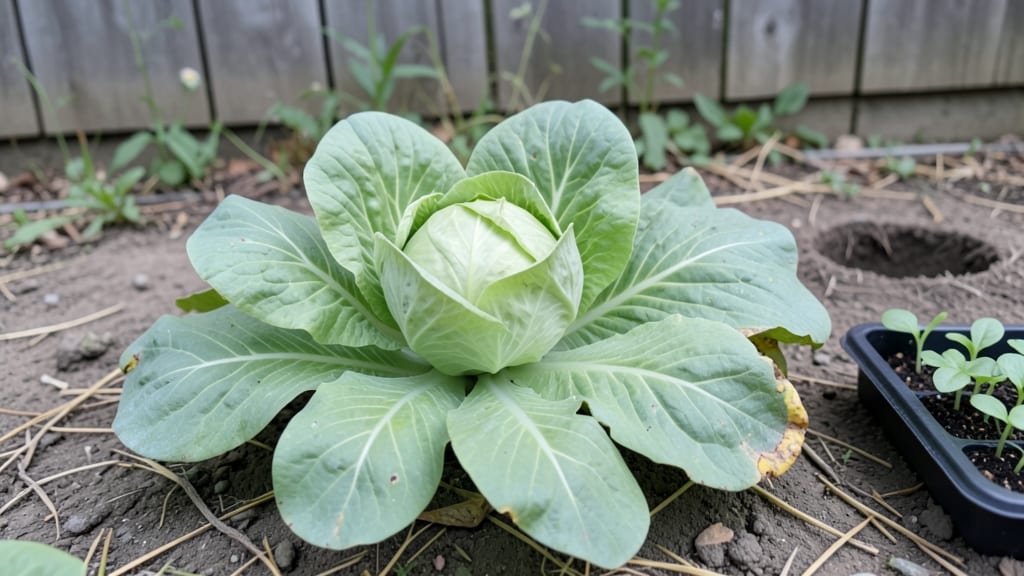
Planting butterhead lettuce in your garden feels like unlocking a secret to effortless, tender greens—especially when you skip the aphid battles most growers face. 🌱 I’ve learned the hard way that the right spacing and timing make all the difference between floppy, bug-ridden leaves and crisp, aphid-resistant heads ready for harvest.
The key isn’t just throwing seeds in the dirt; it’s about giving them the perfect start so they grow strong enough to shrug off pests before they even arrive.
You’ll need loose, well-draining soil enriched with compost (no heavy clay here), seeds or young transplants, and a sunny spot that gets at least 4-6 hours of sunlight daily.
Direct sowing in early spring or late summer works best in most climates, but if aphids are a problem where you live, opt for transplants—they’re already past the vulnerable seedling stage. The real game-changer?
Planting seeds ½ inch deep and spacing them 12 inches apart in rows 18 inches apart. Crowding invites aphids and weak stems; this setup keeps air circulating and plants sturdy.
Watering matters just as much as planting—keep the soil consistently moist but never soggy, especially after sowing. A gentle spray from a watering can (not a strong stream) prevents disturbing seeds, and mulching with straw helps retain moisture while keeping aphids off the leaves.
Within 3-4 weeks, you’ll spot those first true leaves, and by 6-8 weeks, you’ll be harvesting tender heads. The best part? These plants taste sweeter and stand up better to pests when grown this way.
This method works for both spring and fall plantings, even in warmer zones if you provide afternoon shade during peak summer heat. The secret to aphid-resistant growth isn’t fancy—it’s just giving your lettuce the right conditions from day one.
Ready to grow lettuce that actually thrives? Let’s get those seeds in the ground.
📚 In This Guide
- What you need
- Instructions
- Tips and common mistakes
- Wrapping up and next steps
What you need
- ● Butterhead lettuce seeds: Choose aphid-resistant varieties like 'Jericho,' 'Romaine,' or 'Black Seeded Simpson.' Aim for 20-30 seeds (or 1-2 packets) for a small garden.
- ● Seed-starting soil: 2-3 cubic feet of sterile, well-draining potting mix (e.g., Pro-Mix or Miracle-Gro Seed Starting Potting Mix).
- ● Containers or seed trays: 2-4 2-3 inch deep cells or small pots (biodegradable options like peat pots work great!).
- ● Garden soil or raised bed: 10-12 square feet of loose, nutrient-rich soil with a pH of 6.0-7.0. Amend with compost if needed.
- ● Watering can or spray bottle: With a gentle misting nozzle to avoid disturbing seeds.
- ● Garden gloves: 1 pair to protect your hands from soil and pests.
- ○ Row cover or lightweight fabric: 1-2 yards to shield seedlings from aphids (optional but highly recommended!).
- ● Seedling heat mat: Speeds up germination in cooler climates.
- ● Grow lights: 1-2 LED lights for indoor seed starting (12-16 hours/day).
- ● Organic aphid spray: Neem oil or insecticidal soap for proactive pest control.
- ● Plant markers: Small stakes or labels to track varieties.
- ● Compost or slow-release fertilizer: Like Osmocote or worm castings for extra nutrients.
Step-by-Step instructions for planting butterhead lettuce
Here's the straightforward method I use to grow tender, aphid-resistant butterhead lettuce—no fuss, just fresh salads.
🌱 Step 1: Choose the Perfect Spot and Prep the Soil
Butterhead lettuce thrives in cool weather and needs 4-6 hours of morning sun with afternoon shade in hot climates. I always plant mine where they get dappled shade—this keeps leaves crisp and prevents bolting. Test your soil first; butterhead prefers a slightly acidic mix with a pH between 6.0 and 7.0. If your soil is heavy clay, mix in 2 gallons of compost to lighten it up.
Loosen the top 6 inches of soil with a garden fork or tiller. This helps roots spread easily. I like to rake the area smooth afterward—no clumps or rocks left behind. The goal is a fine, crumbly texture that holds moisture but drains well. If you're planting in containers, use the 5 gallons of potting mix you’ve got, ensuring it’s moist but not soggy before adding the plants.
💧 Step 2: Plant Seeds at the Right Depth and Spacing
Sow seeds ¼ inch deep—any deeper and they’ll struggle to break through the soil. I like to plant 3-4 seeds per spot, spaced 12 inches apart in rows that are 18 inches apart. This gives the lettuce room to grow without crowding, which is key for preventing disease and aphid infestations. Water the seeds gently right after planting so the soil stays evenly moist but not waterlogged.
Keep the soil consistently damp until germination, which usually happens in 7-10 days. I cover the area with a lightweight row cover or even a piece of window screen to deter pests like aphids and flea beetles from munching on those tender seedlings. This is the moment that matters: don’t let the soil dry out now, or your seeds won’t sprout.
☀️ Step 3: Provide Consistent Moisture and Light
Once seedlings emerge, thin them to the strongest 2-3 plants per spot, cutting the rest at the soil line with scissors. This might seem wasteful, but it prevents overcrowding and ensures each plant gets enough nutrients. Water deeply every 2-3 days, aiming for ½ inch of water per week. I water in the morning so the leaves dry quickly—this helps prevent fungal issues like downy mildew.
Butterhead lettuce grows best in 60-70°F temperatures. If your summer heat climbs above 75°F, provide afternoon shade with a shade cloth or move containers to a cooler spot. You’ll see the difference in leaf color and texture—healthy plants stay deep green and crisp, not wilted or bitter.
✂️ Step 4: Monitor for Pests and Harvest at Peak Freshness
Check leaves regularly for aphids, those tiny green or black pests that love lettuce. If you spot them, blast them off with a strong stream of water from your hose or spray with neem oil (mix 1 tablespoon neem oil with 1 quart water). I do this in the evening so the oil has time to work overnight. Aphids are less likely to stick around if your plants are healthy and well-watered.
Harvest outer leaves as soon as they reach 3-4 inches—this encourages continuous growth and keeps the plant productive. You’ll have a steady supply of fresh lettuce for salads, sandwiches, or wraps. If you let the plant go to seed, it’ll bolt (send up a flower stalk), and the leaves turn bitter. Real talk: harvesting regularly means you won’t end up with a sad, woody lettuce plant.
🪴 Step 5: Extend the Season with Simple Tricks
To keep growing butterhead lettuce well into fall or even winter, try succession planting every 2 weeks after the first harvest. This ensures a continuous supply without gaps. In cold climates, use row covers or a cold frame to protect plants from frost. I’ve grown lettuce straight through winter this way—just make sure the soil stays workable and not frozen.
If you’re planting in containers, move them to a sheltered spot or bring them indoors during hard freezes. Butterhead lettuce is surprisingly resilient if you give it a little protection. And here’s the thing—if you harvest leaves early and often, you’ll get 4-6 weeks of production per planting, making it one of the most rewarding greens to grow.
Tips & tricks for perfect butterhead lettuce growth
Here's what I've learned from growing aphid-resistant butterhead lettuce for years—these tricks make all the difference between a sad, wilty plant and a thriving salad garden.
Soil Prep Secret: In Step 1, don't just loosen the soil—break up any remaining clumps into a fine, powdery texture. I use the back of my rake to create a seedbed that's almost like sand. This prevents air pockets that can dry out your seeds before they even sprout. For containers, press the potting mix down gently after planting to eliminate air gaps—this keeps those roots happy and hydrated.
Germination Game-Changer: The 7-10 day germination window in Step 2 is critical, but here's the thing: I keep a spray bottle nearby and mist the soil lightly every morning during this period. The key is maintaining that "consistently damp" feeling without turning it into a swamp. Too much water = rot, too little = failure to sprout. A lightweight row cover isn't just for pests—it also helps maintain even moisture levels by reducing evaporation.
Temperature Troubleshooting: When Step 3 mentions the ideal 60-70°F range, trust me on this: I've learned the hard way that butterhead lettuce turns bitter when it gets too hot. If your summer temps climb above 75°F, don't just throw shade cloth on—move your containers to the shadiest spot in your yard or even onto a patio. I've seen plants go from perfect to bolting in just 48 hours when they get too much heat. The afternoon shade is non-negotiable in hot climates!
Harvest Hack: For continuous harvests in Step 4, I cut leaves at the base rather than just the outer edges. This encourages new growth from the center while still giving you tender leaves. And here's a pro move: harvest in the morning when leaves are crispest. The flavor difference is night and day compared to afternoon harvesting. Plus, you'll get more usable leaves per plant when you do it this way.
Pro Tips for Planting Butterhead Lettuce
- Here's what I've learned from growing aphid-resistant butterhead lettuce for years—these tricks make all the difference between a sad, wilty plant and a thriving salad garden.
- Soil Prep Secret: In Step 1, don't just loosen the soil—break up any remaining clumps into a fine, powdery texture.
- Germination Game-Changer: The 7-10 day germination window in Step 2 is critical, but here's the thing: I keep a spray bottle nearby and mist the soil lightly every morning during this period.
Frequently asked questions
Got questions about growing aphid-resistant butterhead lettuce? You’re not alone! Here are answers to the most common queries to help you cultivate crisp, healthy heads without the pest problems.
When is the best time to plant butterhead lettuce?
Butterhead lettuce thrives in cool weather—plant it 4–6 weeks before your last frost in spring or 6–8 weeks before your first frost in fall. Avoid summer heat, which causes bolting (premature flowering). In warm climates, opt for shade cloth or succession planting for continuous harvests.
How do I prevent aphids from ruining my butterhead lettuce?
Aphids love tender lettuce leaves, but you can outsmart them! Start with aphid-resistant varieties like ‘Jericho’ or ‘Salad Bowl.’ Use neem oil or insecticidal soap as a preventative spray, and introduce ladybugs or lacewings for natural pest control. Check undersides of leaves daily for early signs.
How long does it take for butterhead lettuce to mature?
Most butterhead varieties mature in 50–70 days, depending on the type and growing conditions. Baby leaves can be harvested in as little as 30–40 days for a quicker salad fix. For full heads, monitor growth and harvest when leaves are loosely packed but still tender—overmaturity leads to bitterness.
Can I grow butterhead lettuce in containers?
Butterhead lettuce grows well in containers at least 6–8 inches deep with drainage holes. Use a lightweight potting mix and place pots in partial shade to prevent bolting. Succession planting every 2–3 weeks ensures a steady supply. Just avoid overcrowding—space plants 8–12 inches apart for optimal growth.
What should I do if my butterhead lettuce turns bitter?
Bitter taste usually means your lettuce is bolting (flowering) due to heat stress, overmaturity, or long daylight hours. To fix it, harvest outer leaves first and use the inner, tender hearts. For future crops, plant in cooler months, provide afternoon shade, and harvest regularly to encourage continuous growth.
What’s a good alternative if butterhead lettuce fails?
If aphids or heat ruin your butterhead, try romaine or oakleaf lettuce—they’re more aphid-resistant and heat-tolerant. Leaf lettuce varieties like ‘Black Seeded Simpson’ also bolt later and offer cut-and-come-again harvests. For extra resilience, consider swiss chard or kale, which handle pests and heat better.
Wrapping up and next steps
Growing aphid-resistant butterhead lettuce is a rewarding journey that yields delicious, crisp leaves while keeping pests at bay! 🌱 With the right soil, spacing, and care—plus a few organic defenses—you’ll enjoy a thriving harvest in just a few weeks.
Whether you’re a beginner or seasoned gardener, these six simple steps make it easy to cultivate a healthy, aphid-free crop.
Now that you’re armed with the know-how, take the next step—plant your seeds or seedlings today! Start small, experiment with varieties, and watch your garden flourish. Happy gardening, and may your lettuce be both beautiful and bountiful! 🌿