
Pruning
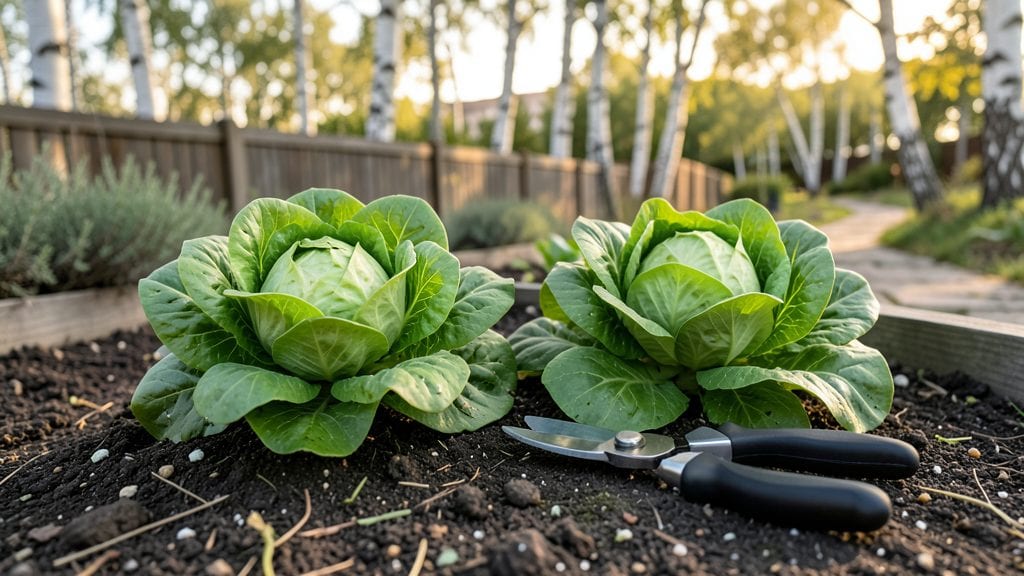
Trimming lettuce plants the right way turns a single harvest into a never-ending supply of crisp leaves. 🌿 I learned this the hard way after watching my prized butterhead bolt into flower after just one harvest—until I discovered how to coax those plants into producing fresh leaves for weeks.
The secret isn’t complicated: it’s all about cutting at the right spots and timing those snips just right.
You’ll need sharp scissors or clean pruning shears (no dull blades tearing leaves) and about 10 minutes every few days during peak growth. The goal is simple: remove the oldest outer leaves while leaving the inner heart intact.
This encourages the plant to branch out, giving you more leaves instead of one giant head that bolts overnight. Even my black thumb can’t mess this up once you know the trick.
What you’ll get is a lettuce plant that keeps delivering tender, flavorful leaves for 4-6 weeks instead of just one big harvest. The leaves stay crisp, the plant stays productive, and you’ll be the only one on the block with fresh salad greens all season.
Plus, you’ll avoid that bitter, stringy texture that happens when lettuce gets too old.
Works for all lettuce types—romaine, butterhead, leaf lettuce—whether you’re growing in containers, raised beds, or straight in the ground. The same technique keeps your plants healthy through heat waves too. Ready to turn your lettuce into a leaf-producing machine?
📚 In This Guide
- What you need
- Instructions
- Tips and common mistakes
- Wrapping up and next steps
What you need
- ● Sharp pruning shears or garden scissors – Choose bypass pruners (not anvil-type) to avoid crushing delicate leaves. A 4- to 6-inch blade works best for precision.
- ● Clean, sharp kitchen knife or razor blade – For smaller trims or cutting individual leaves. Opt for a serrated or straight-edge blade (e.g., a X-Acto knife for fine work).
- ○ Gloves (optional but recommended) – Lightweight gardening gloves protect your hands from prickly stems (like romaine) and dirt.
- ● Container or basket – A shallow tray or mesh bag to collect trimmed leaves and prevent bruising.
- ● Water spray bottle – A 16-ounce misting bottle helps keep leaves hydrated during trimming (especially in hot weather).
- ○ Ruler or measuring tape (optional) – Useful for consistent trimming heights if you’re aiming for uniform regrowth.
- ● Disinfectant spray (70% isopropyl alcohol) – Spray tools before and after trimming to prevent bacterial spread (e.g., downy mildew).
- ● Compost bin or bucket – For discarded outer leaves or stems. Lettuce scraps make great compost!
- ● Labeling tags or notebook – Track variety, trimming dates, and regrowth progress for future reference.
- ● Knee pad or small stool – For ground-level gardening to avoid straining your back.
Step-by-Step instructions for trimming lettuce plants
Here’s how to keep your lettuce thriving while harvesting fresh leaves—no stress, no waste.
🌿 Step 1: Identify the Right Leaves to Trim
Wait until your lettuce has at least 4-5 mature outer leaves—these are the ones you’ll harvest first. Look for leaves that are fully unfurled and at least 3 inches long, as these are ready to pick. The inner leaves should still be small and tightly wrapped; these are your plant’s future growth, so leave them alone.
I always start with the outermost leaves because they’ve had the most time to grow. These leaves are also less bitter, making them perfect for salads or sandwiches. If you’re unsure which leaves to trim, count from the center outward—never take more than one-third of the plant at a time. This ensures your lettuce keeps producing without getting overwhelmed.
✂️ Step 2: Use the Right Tools and Technique
Grab your sharp scissors or pruning shears—dull blades crush stems and invite disease. Hold the tool at a 45-degree angle just above where the leaf meets the main stem. A clean cut prevents tearing and lets the plant heal faster. If you’re harvesting by hand, pinch the leaf off gently at the base without tugging.
I like to make my cuts about ½ inch above the next leaf down. This gives the plant a clean surface to regrow from while keeping the inner leaves protected. Avoid cutting into the heart of the lettuce—this is where the next set of leaves will form, and damaging it can stunt growth. If you accidentally nick the center, don’t panic; just trim carefully next time.
💧 Step 3: Harvest at the Best Time of Day
Trim your lettuce in the early morning when leaves are crisp and hydrated. This is when the plant is most resilient, and the cuts will heal faster. Avoid harvesting in the hot afternoon—lettuce wilts quickly in heat, and stressed plants may bolt (send up a flower stalk) as a survival tactic.
After trimming, rinse the leaves immediately under cool water to remove dirt and debris. Shake off excess water and place them in a ventilated container (like a paper towel-lined bowl) to air-dry. This prevents soggy leaves and keeps them fresh longer. If you’re not using the leaves right away, store them in the crisper drawer of your fridge—they’ll stay fresh for 5-7 days this way.
🌱 Step 4: Encourage Regrowth After Trimming
Once you’ve harvested, give your lettuce a light watering to help it recover. Focus on the base of the plant, avoiding the leaves to prevent fungal issues. Lettuce roots are shallow, so water gently until you see moisture 1-2 inches deep in the soil. Overwatering can drown the roots, so let the top inch of soil dry out between waterings.
Here’s the thing—lettuce is surprisingly resilient. If you’ve trimmed correctly, you’ll see new leaves emerging from the center in about 7-10 days. To speed up regrowth, place your lettuce in a spot with 4-6 hours of indirect light (direct sun can make leaves bitter). If your plant starts to look leggy or sparse, a balanced liquid fertilizer (like a 10-10-10 mix) can give it a little boost.
⏰ Step 5: Know When to Stop Trimming
You can keep harvesting outer leaves as long as the inner leaves stay healthy. If the center of your lettuce starts to look yellow, wilted, or hollow, it’s time to let the plant rest. This usually happens in 6-8 weeks for loose-leaf varieties or when the head lettuce reaches full size. At this point, you can either eat the remaining leaves or let the plant bolt (though bolted lettuce is bitter and best used for cooking).
I know it’s tempting to keep picking forever, but giving your lettuce a break ensures it’ll produce again if you replant. If you’re growing in a container, you can even replace the old plant with new seeds—lettuce grows quickly, and you’ll have fresh greens in no time. Just remember: less frequent but consistent trimming keeps your lettuce happy and productive for weeks.
Tips & tricks for perfect lettuce plant trimming
These simple tricks will help you harvest fresh lettuce leaves without sacrificing future growth.
The 4-5 Leaf Rule: I learned this the hard way—waiting for at least 4-5 mature outer leaves ensures your plant has enough energy reserves to bounce back. Those outer leaves are like the plant's savings account: they've stored nutrients that fuel regrowth. If you're impatient and harvest too early, you'll stunt the plant's ability to produce new leaves. Trust me, the 10-day wait is worth it for continuous harvests!
Angle Matters: That 45-degree angle in Step 2 isn't just arbitrary—it creates a clean cut that heals faster. A straight cut can leave jagged edges that invite disease, while too shallow of an angle might nick the next leaf down. I like to practice on a spare lettuce leaf first to get the feel. The goal is a cut that looks like the plant made it itself—smooth and intentional.
Morning Harvest Magic: Early morning harvesting is non-negotiable for crisp leaves. The dew on leaves in the morning means they're fully hydrated, making them more resilient to cutting. I've noticed that leaves harvested in the afternoon often wilt faster and have a slightly bitter taste. Plus, the cooler morning temperatures reduce stress on the plant. If you must harvest in the afternoon, do it at least 2 hours before sunset for best results.
Regrowth Timeline: Those 7-10 days for new leaves to emerge might seem long, but it's actually a sign your plant is thriving. I've found that loose-leaf varieties often regrow faster than head lettuces. The key is consistency—harvesting the same number of leaves each time creates a predictable growth pattern. Keep a small notebook by your garden to track when you harvest and when new leaves appear—you'll start seeing patterns in just a few weeks.
Pro Tips for Trim Lettuce Plants
- These simple tricks will help you harvest fresh lettuce leaves without sacrificing future growth.
- The 4-5 Leaf Rule: I learned this the hard way—waiting for at least 4-5 mature outer leaves ensures your plant has enough energy reserves to bounce back.
- Angle Matters: That 45-degree angle in Step 2 isn't just arbitrary—it creates a clean cut that heals faster.
Frequently asked questions
Got questions about trimming lettuce plants?
You’re not alone! Here are answers to the most common queries—so you can harvest like a pro without stressing your greens.
How often should I trim my lettuce plants?
Trim lettuce every 1–2 weeks to encourage continuous growth. For loose-leaf varieties, harvest outer leaves as they reach 4–6 inches tall. For head lettuce, wait until the head is firm (usually 6–8 weeks). Over-trimming can stress plants, so balance harvests with regrowth time.
Can I trim lettuce in hot weather?
Yes, but with caution! Heat stress (above 80°F/27°C) can make lettuce bolt (go to seed). Trim in the early morning or late evening to reduce stress. Provide shade cloth if temps are extreme, and keep soil moist. If bolting starts, harvest leaves quickly before they turn bitter.
What’s the best way to trim lettuce without killing the plant?
Use clean, sharp scissors or pruners to cut just above a leaf node (the bump where leaves grow). Avoid tearing leaves—this invites pests. For loose-leaf types, snip outer leaves first. For head lettuce, cut the entire head 1–2 inches above the soil to allow regrowth.
Will trimming lettuce make it grow bigger?
Regular trimming stimulates bushier growth by redirecting energy to new leaves. Loose-leaf varieties thrive with frequent harvests, while head lettuce may produce a second (smaller) head if trimmed properly. Just avoid cutting more than 1/3 of the plant at once to prevent shock.
What if my lettuce turns yellow after trimming?
Yellowing can signal over-trimming, nutrient deficiency, or disease. Check these fixes:
- Nutrients: Feed with a balanced fertilizer (like 10-10-10) or compost tea.
- Water: Ensure soil stays evenly moist (not soggy).
- Pests: Inspect for aphids or slugs—treat with neem oil or diatomaceous earth.
- Sun: Too much heat? Provide afternoon shade.
Wrapping up and next steps
Trimming your lettuce plants is a simple yet rewarding task that ensures a steady harvest of fresh, crisp leaves while keeping your garden thriving. By following the right techniques—like harvesting outer leaves first, using clean tools, and avoiding over-trimming—you’ll enjoy a continuous supply of homegrown greens without stressing the plant.
Now that you’re equipped with the know-how, grab those shears and get trimming! 🌱✂️
Ready for more? Try experimenting with successive planting to extend your harvest season or explore other easy-to-grow greens like spinach or kale for variety in your garden!