
Plants
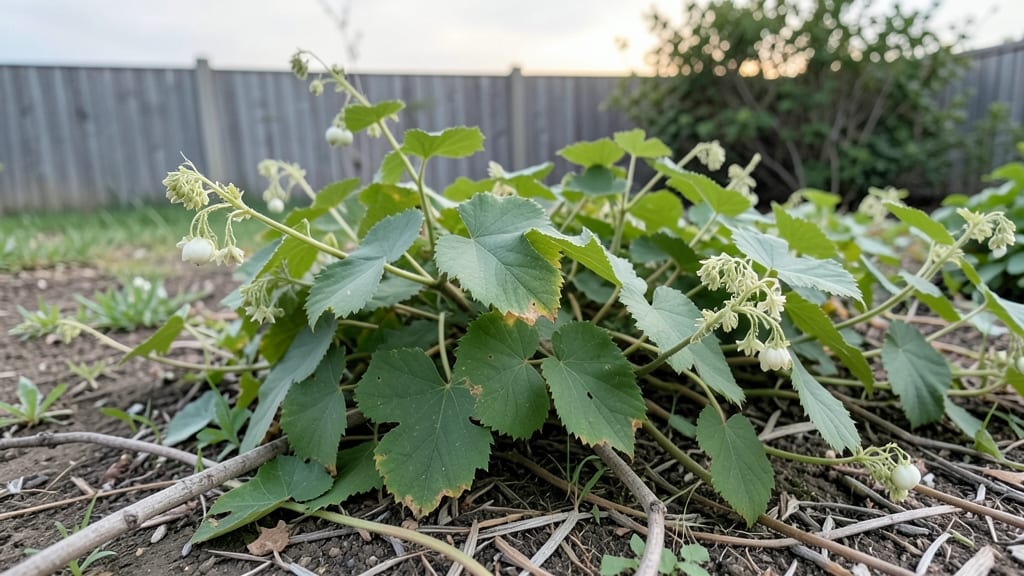
Dealing with a plant skin allergy can turn gardening from joy to misery in minutes—but there’s a way to keep working with plants without the itch. I’ve battled rashes from poison ivy and stinging nettles, and I’ve learned which plants are the worst offenders and how to protect yourself.
The key is knowing what triggers reactions and acting fast when they happen.
Most allergies come from oils in leaves, sap, or even pollen that clings to your skin. Poison ivy’s "leaves of three" is the classic culprit, but even harmless-looking plants like stinging nettles pack a punch.
Wearing long sleeves, gloves, and washing up after handling plants cuts down on reactions dramatically. I’ve also found that rinsing with cold water within 10 minutes can prevent a full-blown outbreak.
If you already have a reaction, natural remedies like baking soda paste or calamine lotion bring quick relief. For prevention, I now keep a spray bottle of diluted apple cider vinegar nearby to neutralize plant oils on my skin.
Swapping out high-risk plants for safer alternatives—like lavender instead of mint—has made my garden both beautiful and itch-free.
This guide covers everything from identifying trouble plants to keeping your garden safe for sensitive skin. You’ll leave here with a plan that works fast and keeps you gardening without the misery. Let’s get started!
How Plants Trigger Skin Reactions
Understanding why certain plants cause skin allergies starts with recognizing how your body reacts to foreign substances—called allergens—that it perceives as threats. These reactions are typically immune-mediated, meaning your skin’s defense system overreacts to harmless compounds in plants. Here’s a breakdown of the key reasons behind plant-induced skin irritation:
Plants produce natural chemicals—like saponins, resins, and terpenes—to protect themselves from pests, fungi, and even herbivores. When these compounds come into contact with your skin, they can trigger an allergic response in sensitive individuals.
- Saponins (found in ivy, poison oak, and some lilies) disrupt cell membranes, leading to inflammation and redness.
- Resins (common in pine trees and poison ivy) contain urushiol, a potent allergen that binds to skin proteins, prompting immune system alerts.
- Terpenes (in citrus plants, eucalyptus, and some herbs) can act as irritants, especially when exposed to sunlight (a condition called phytophotodermatitis).
Actionable Tip: 💡 If you’re prone to reactions, wear gloves when handling plants like poison ivy or pine sap, and rinse your skin immediately with soap and water to remove residual oils.
Your immune system may develop sensitization after repeated exposure to certain plant allergens. This means your body "remembers" the allergen and mounts a stronger response upon future encounters.
- First Exposure: Your skin may not react strongly, but your immune system starts producing IgE antibodies (a type of antibody linked to allergies).
- Subsequent Exposures: When you touch the same plant again, these antibodies trigger mast cells in your skin to release histamine, causing itching, swelling, and blisters.
Key Fact: 🔍 Some people only develop allergies after years of exposure—meaning you might have touched a plant safely for decades before suddenly reacting.
Some plant allergies worsen when combined with UV light exposure. This happens because certain plant chemicals (like psoralens in celery, figs, and lime peels) become photosensitizers—meaning they react with sunlight to damage skin cells.
- Mechanism: Psoralens absorb UV rays, creating free radicals that irritate skin, leading to blistering, peeling, or dark patches (similar to a severe sunburn).
- Common Culprits: Citrus fruits, parsley, and even some essential oils (like bergamot) can cause this reaction.
Prevention Tip: ✨ If handling plants like parsley or lime peels, wear long sleeves and sunscreen (SPF 30+) to minimize risk.
If you’re allergic to pollen, latex, or certain foods, you may also react to plants due to cross-reactivity. This occurs when proteins in different substances share similar structures, confusing your immune system.
- Example: People allergic to birch pollen often react to raw apples, carrots, or celery because these foods contain similar proteins.
- Plant Link: Some plants (like mango skin) can trigger reactions in those allergic to latex due to shared proteins.
What to Do: 📊 If you suspect cross-reactivity, consult an allergist for skin prick testing to identify triggers.
A weakened skin barrier—from dryness, eczema, or frequent hand washing—makes you more susceptible to plant allergens. When your skin’s protective layer is damaged, irritants penetrate deeper, increasing the likelihood of a reaction.
- Risk Factors:
- Eczema or dermatitis (already inflamed skin reacts more strongly).
- Low humidity or harsh soaps (strips natural oils, reducing protection).
- Aging skin (thinner skin absorbs allergens more easily).
Fix It: 🌡️ Use fragrance-free moisturizers (like ceramide-based creams) to strengthen your skin barrier and reduce sensitivity.
Not all plant allergies happen right away—some take hours or even days to appear. Understanding the timing can help you identify the culprit.
| Reaction Type | Timeframe | Example Plants | Symptoms |
|---|---|---|---|
| Immediate (IgE-mediated) | Minutes to hours | Poison ivy, stinging nettle | Itching, hives, swelling |
| Delayed (Irritant Contact) | 6–48 hours | Daffodils, eucalyptus | Redness, blisters, dryness |
| Phytophotodermatitis | 24–72 hours (after sun exposure) | Lime peels, celery | Dark patches, peeling |
Pro Tip: 🎯 Keep a symptom journal to track when reactions occur—this helps pinpoint whether sunlight, touch, or another factor is at play.
Plant skin allergies happen due to a mix of chemical irritants, immune system quirks, and environmental triggers. By recognizing these causes, you can take steps to avoid, protect, and treat reactions more effectively. Next, we’ll explore quick relief methods for when symptoms strike!
How to Treat and Prevent Plant Reactions
Now that you know why plant skin allergies flare up, let’s tackle them head-on with practical, science-backed solutions tailored to the most common causes.
Whether you’re dealing with a rash from a poison ivy encounter or irritation from household plants, these steps will help you soothe symptoms fast and keep flare-ups at bay.
If your skin is already reacting to a plant, act quickly to stop the spread and calm inflammation.
1. Wash the Affected Area Immediately
🔥 Why it works: Plant oils (like urushiol in poison ivy) can linger on your skin for hours, even days. Rinsing with cool water removes residue before it binds to your skin.
👨🍳 How to do it:
- Use lukewarm or cool water (hot water can open pores and worsen absorption).
- Scrub gently with mild soap (like Dove or Cetaphil) for 10–15 minutes.
- Rinse thoroughly and pat dry—don’t rub.
✨ Pro tip: If you suspect poison ivy, wash with rubbing alcohol (70% isopropyl) after soaping to remove any leftover oils.
2.
Neutralize the Reaction with Household Remedies 🍳 Natural options to try: - Baking soda paste (mix with water) – Apply for 10 minutes to reduce itching. - Oatmeal bath – Soothes inflammation (use colloidal oatmeal or blend plain oats into a fine powder). - Apple cider vinegar (diluted) – Helps balance pH; dab with a cotton ball.
🌡️ When to see a doctor: If blisters form, the rash spreads beyond the contact area, or you develop fever/swelling, seek medical help—you may need oral steroids or antihistamines.
3.
Over-the-Counter (OTC) Treatments for Relief 💡 Best picks for fast relief: | Symptom | Treatment | How to Use | |-------------------|----------------------------------------|------------------------------------------| | Itching | Calamine lotion or hydrocortisone cream (1%) | Apply 2–3x daily after washing | | Swelling | Cold compress (ice wrapped in cloth) | Hold for 10–15 mins, 3x/day | | Dry, cracked skin | Coconut oil or petroleum jelly | Thin layer to lock in moisture | | Infection risk | Antibiotic ointment (Neosporin) | Use if skin breaks open |
The best defense? Avoiding triggers and creating a low-risk environment.
1. Identify and Remove Problem Plants
🔪 High-risk plants to avoid or eliminate:
- Outdoors: Poison ivy, poison oak, sumac, mango trees, cashew plants.
- Indoors: Snake plants, philodendrons, rubber plants, or pothos (common allergens).
🎯 How to check for hidden allergens:
- Wear gloves when gardening or cleaning.
- Use a blacklight (UV light) to spot urushiol oils—they glow under UV!
- Keep pets’ paws clean after outdoor walks (they can track oils inside).
2. Create a Barrier Between You and Plants
🛡️ Physical and chemical protections:
- Wear long sleeves/pants in wooded or gardening areas.
- Spray plants with a barrier (like Technu Poison Ivy & Oak Barrier Spray) before touching.
- Wash clothes/pets immediately after exposure—urushiol can cling to fabric.
If you’re prone to plant reactions, strengthen your skin’s defense with these habits:
1. Moisturize Daily
🥗 Why it helps: Dry skin is more susceptible to irritation. Use fragrance-free lotions with:
- Ceramides (e.g., CeraVe)
- Aloe vera or shea butter
2. Boost Your Immune Response
💪 Dietary allies for skin resilience:
- Quercetin-rich foods (apples, onions, berries) – Natural antihistamine.
- Omega-3s (salmon, flaxseeds) – Reduces inflammation.
- Probiotics (yogurt, kimchi) – Supports skin microbiome balance.
3. Test New Plants Before Bringing Them Home
✨ Safe trial method:
- Rub a small leaf on your inner arm.
- Wait 24–48 hours for any reaction.
- If clear, proceed—but keep it out of reach of kids/pets for a few weeks.
Pack this in your car, garden shed, or first-aid kit for quick action:
- Hydrocortisone cream (1%)
- Oral antihistamine (Benadryl or Zyrtec)
- Calamine lotion
- Rubbing alcohol wipes
- Disposable gloves
- Emergency contact info (for severe reactions)
Final Reminder: Most plant skin reactions are manageable with prompt action. When in doubt, when you wash, you win—removing the allergen early is the #1 way to prevent a full-blown outbreak. Stay proactive, and your skin will thank you!
Frequently asked questions
What are the most common plants that cause skin reactions?
The top offenders include poison ivy, poison oak, stinging nettles, mango trees, and cashew plants. Even some household favorites like snake plants or pothos can trigger reactions in sensitive individuals. Always wear gloves when handling unfamiliar plants.
How long does it take for a plant rash to appear?
Reactions vary by plant and person. Poison ivy often shows symptoms within 12-48 hours, while phytophotodermatitis (like from lime peels) may take 24-72 hours after sun exposure. Keep a symptom journal to track patterns and identify triggers.
Can I still garden if I have plant skin allergies?
Focus on low-risk plants like lavender, roses, or marigolds. Always wear long sleeves, gloves, and wash immediately after handling. Consider using barrier sprays or keeping high-risk plants in containers you can move away from work areas.
What's the best way to clean urushiol (poison ivy oil) off my skin?
Use cool water and mild soap for 10-15 minutes of scrubbing. For stubborn residue, follow with 70% rubbing alcohol or Technu Poison Ivy Cleanser. Never use hot water—it can drive the oil deeper into your skin.
When should I see a doctor for a plant rash?
Seek medical help if you develop blisters, fever, or if the rash covers large areas of your body. Severe reactions may require prescription steroids or antihistamines. Children and people with asthma are at higher risk for complications.