Diseases
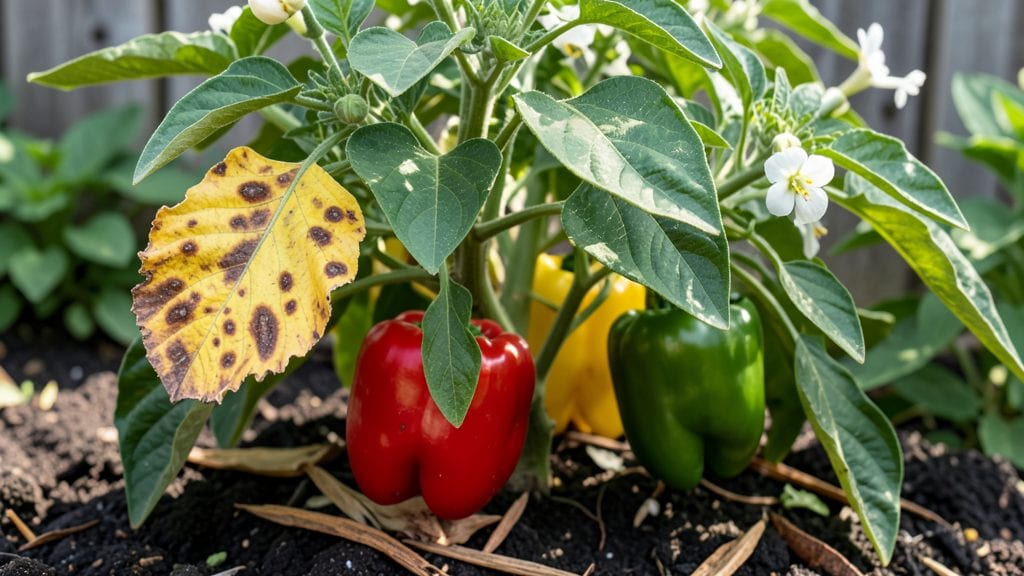
Pepper plant diseases can turn your homegrown harvest into a sad, spotted mess—unless you catch them fast. 🌱 I’ve lost entire plants to fungal infections that started with just a few suspicious spots, but knowing the early warning signs saves the rest of your garden.
The biggest culprits—powdery mildew, bacterial spot, and fusarium wilt—each leave distinct clues: white dust on leaves, dark water-soaked marks, or sudden wilting. Most gardeners wait too long, but a quick spray of neem oil or copper fungicide can stop them in their tracks before they spread.
You’ll learn to spot these diseases within days of appearing, not weeks, so you can act before your peppers turn to mush. The right mix of prevention—like proper spacing and good airflow—and targeted treatments keeps your plants thriving all season.
Works for bell peppers, jalapeños, or any variety in containers or the ground. Here’s how to keep your plants healthy without harsh chemicals.
Root Causes Of Pepper Plant Struggles
Pepper plants are tough, but they’re not invincible. When diseases strike, it’s usually because their environment or care routine has tipped the balance in favor of pathogens. Understanding why these issues arise is the first step to preventing them—or stopping them in their tracks.
Let’s break down the real culprits behind pepper plant diseases, from fungal invaders to environmental missteps.
Fungal diseases like Phytophthora blight and powdery mildew thrive in heat and moisture—basically, a pepper plant’s worst nightmare. Here’s why:
- Fungal spores love humidity. When air moisture hovers above 70%, spores germinate faster, attacking leaves, stems, and roots. Think of it like a fungal party—too many guests (spores) show up when the weather is just right.
- Poor airflow accelerates spread. Dense foliage or crowded plants trap moisture, creating the perfect breeding ground. Fungi don’t need much—just warmth, dampness, and a host.
- Nighttime dew is a double-edged sword. While morning dew is natural, prolonged wetness (especially on leaves) gives fungi a 24/7 buffet. Phytophthora, for example, can rot stems in as little as 48 hours if conditions are ideal.
💡 Pro Tip: Aim for daytime temps between 70–85°F and nighttime temps above 55°F. Use a hygrometer to monitor humidity—keep it below 60% during the day and avoid overhead watering at dusk.
Water is life—but only in the right amounts. Pepper plants are sensitive to both overwatering and underwatering, each creating prime conditions for disease.
| Problem | Why It Happens | Diseases It Invites |
|---|---|---|
| Overwatering | Soggy soil cuts off oxygen to roots, weakening the plant and inviting root rot (caused by Phytophthora or Pythium). Waterlogged conditions also create standing water on leaves, perfect for fungal spores. | Root rot, leaf spot, downy mildew |
| Underwatering | Stressed plants produce less chlorophyll, making them more susceptible to bacterial spot and powdery mildew. Dry soil also cracks, creating entry points for pathogens. | Bacterial spot, verticillium wilt |
| Inconsistent watering | Fluctuating moisture levels shock the plant, reducing its natural defenses. Fungi and bacteria seize the opportunity when the plant is vulnerable. | Most fungal/bacterial diseases |
💡 Pro Tip: Water deeply but infrequently—aim for 1–1.5 inches per week, letting the top inch of soil dry out between waterings. Use drip irrigation or soaker hoses to avoid wetting foliage, and always water at the base.
Fungal spores are sneaky survivors. They can linger in soil, garden tools, and even old plant debris for years, waiting for the right moment to strike. Here’s how contamination spreads:
- Reusing infected tools. Pruners, trowels, or stakes contaminated with Xanthomonas (bacterial spot) or Alternaria (early blight) can transfer pathogens to healthy plants. A single cut with a dirty blade is all it takes.
- Composting diseased plants. While composting is great for nutrients, fungal spores survive the process. If you compost infected peppers, you’re essentially seeding your garden with future problems.
- Cross-contamination in greenhouses. Shared spaces, benches, or pots can harbor spores. Even wind or foot traffic can spread them from one plant to another.
💡 Pro Tip: Sterilize tools with a 10% bleach solution (1 part bleach to 9 parts water) or rubbing alcohol between uses. Remove and destroy (don’t compost) diseased plants immediately. Rotate crops yearly to break the disease cycle.
Healthy pepper plants have natural resistance, but stress from poor nutrition, pests, or physical damage leaves them vulnerable. Common stressors include:
- Nutrient deficiencies. Lack of nitrogen, phosphorus, or potassium weakens cell walls, making it easier for pathogens to penetrate. For example, magnesium deficiency (seen as yellowing between leaf veins) reduces the plant’s ability to fight off powdery mildew.
- Pest damage. Aphids, spider mites, and thrips not only sap nutrients but also create wounds where bacteria and fungi can enter. Bacterial spot, for instance, often follows aphid infestations.
- Transplant shock. Moving peppers to new pots or soil disrupts their root systems, slowing growth and lowering disease resistance. Sudden temperature or light changes compound the stress.
💡 Pro Tip: Feed peppers with a balanced fertilizer (10-10-10 or 5-10-10) every 4–6 weeks. Monitor for pests weekly and treat infestations immediately. Harden off seedlings gradually before transplanting to minimize shock.
Most pepper plant diseases aren’t random—they’re the result of environmental factors, care mistakes, or a perfect storm of conditions. By addressing these root causes, you can dramatically reduce the risk of fungal and bacterial outbreaks. Next up: How to Spot These Diseases Early.
Quick Fixes for Pepper Plant Troubles
Now that you’ve identified the issue plaguing your pepper plants, it’s time to take action! The good news is that most pepper plant diseases can be managed—or even prevented—with a few targeted steps.
Below, we’ll map each common cause to its best solution, including prevention tips to keep your plants thriving long-term.
Fungal infections like powdery mildew, leaf spot, or early blight thrive in damp, warm conditions. Here’s how to tackle them:
🔥 Remove Infected Leaves Immediately
- Action: Snip off yellowed, spotted, or powdery leaves with sterilized scissors (wipe with rubbing alcohol between cuts).
- Why? Fungi spread via spores, so removing infected foliage cuts off their food source.
- Pro Tip: 💡 Don’t compost infected leaves—they’ll reinfect your soil.
Toss them in the trash instead.
🌡️ Adjust Watering Habits
- Action: Water early in the day (before 10 AM) to let foliage dry quickly. Avoid overhead watering—use drip irrigation or soaker hoses.
- Why? Wet leaves = fungal paradise.
Keep humidity low around plants. - Prevention: 🌡️ Space plants 18–24 inches apart for better airflow.
✨ Fungicide Sprays (Natural & Chemical Options)
| Solution | How to Use | Frequency |
|---|---|---|
| Baking Soda Spray | Mix 1 tsp baking soda + 1 quart water + a few drops of dish soap. Spray undersides of leaves. | Every 7–10 days (preventative) |
| Neem Oil | 1 tbsp neem oil + 1 tsp mild soap + 1 quart water. Shake well and spray. | Weekly until symptoms fade |
| Copper Fungicide | Follow label instructions for organic or chemical options. | Every 1–2 weeks (treatment) |
🌱 Boost Plant Health
- Action: Fertilize with a balanced, low-nitrogen fertilizer (like 5-5-5) to strengthen plant immunity.
- Why? Healthy plants resist diseases better than stressed ones.
Pests like aphids, spider mites, or thrips weaken peppers, making them susceptible to secondary infections. Here’s how to evict them:
🔪 Blast Off Pests with Soap & Oil
- Action: Spray plants with a homemade insecticidal soap (2 tbsp mild soap + 1 quart water) or horticultural oil.
- Why? These suffocate soft-bodied pests without harming plants.
- Pro Tip: 🎯 Repeat every 3–5 days until pests disappear.
🐞 Introduce Beneficial Insects
- Action: Release ladybugs, lacewings, or predatory mites (available at garden centers) to eat aphids and mites.
- Why? Nature’s pest control is chemical-free and sustainable.
🌿 Strengthen Plant Resilience
- Action: Prune overcrowded plants to improve airflow and reduce hiding spots for pests.
- Prevention: 💡 Interplant peppers with basil or marigolds—these repel pests naturally.
Sometimes, the solution is as simple as adjusting your growing conditions:
🌤️ Improve Sunlight & Airflow
- Action: Ensure peppers get 6–8 hours of sunlight daily and prune suckers (side shoots) to reduce humidity.
- Why? Shady, cramped plants stay damp longer—fungi’s favorite environment.
💧 Drainage Is Non-Negotiable
- Action: If soil stays soggy, amend with compost or perlite to improve drainage.
- Why? Waterlogged roots = stress = disease susceptibility.
🌱 Rotate Crops Annually
- Action: Never plant peppers in the same spot year after year—this builds up soil-borne pathogens.
- Prevention: 🔥 Plant unrelated crops (like beans or tomatoes) in the same bed the next season to break the disease cycle.
If your plants are heavily infected (e.g., late blight or bacterial spot), consider:
- 🔄 Quarantine the plant in a separate area until it recovers (or remove it if beyond saving).
- 🧴 Use a systemic fungicide (like chlorothalonil) for stubborn fungal issues—follow label instructions carefully.
- 🌱 Start fresh with healthy transplants if the soil is contaminated.
Final Pro Tip: 🌱 Monitor your plants weekly—catching problems early means less work later! With these fixes, your peppers will bounce back stronger than ever. 🌶️💪
Frequently asked questions about pepper plant diseases
What’s the fastest way to tell if my pepper plant has powdery mildew?
Look for white, powdery spots on the upper and lower leaf surfaces—they’ll spread quickly in humid conditions. Unlike other diseases, powdery mildew leaves the leaf surface intact (no holes or dark spots). Scrape off a bit with your fingernail: if it comes off like dust, it’s mildew.
Can I still harvest peppers from a plant with bacterial spot?
Yes, but only the healthy peppers—never pick spotted or yellowed fruit. Bacterial spot spreads through water and tools, so remove infected peppers immediately and sterilize your hands with rubbing alcohol after handling. The bacteria can linger on peppers for weeks, so wash all harvested peppers thoroughly before eating.
Why does my pepper plant keep getting root rot even with good drainage?
Root rot often happens when water sits at the bottom of containers or when soil compacts over time. Check for soggy roots and ensure pots have drainage holes. Use a mix of 50% potting soil, 30% perlite, and 20% compost—this improves aeration. If roots are mushy and black, trim the damaged parts and repot in fresh, dry soil.
Is neem oil safe to use on peppers right before harvest?
Neem oil is safe, but wait 3 days after application before harvesting peppers. It’s non-toxic and breaks down quickly, but the oil’s strong smell can linger. For a faster fix, use a baking soda spray (1 tsp baking soda + 1 quart water) 24 hours before picking—it’s residue-free and equally effective against mildew.
How do I prevent diseases in my pepper plants from spreading to tomatoes?
Keep peppers and tomatoes at least 10 feet apart—many diseases (like early blight) jump between nightshade family plants. Sterilize tools between plants, and never compost diseased leaves. If space is tight, grow peppers in containers or use a physical barrier like a tarp to block spore drift during rainy weather.