
Propagation
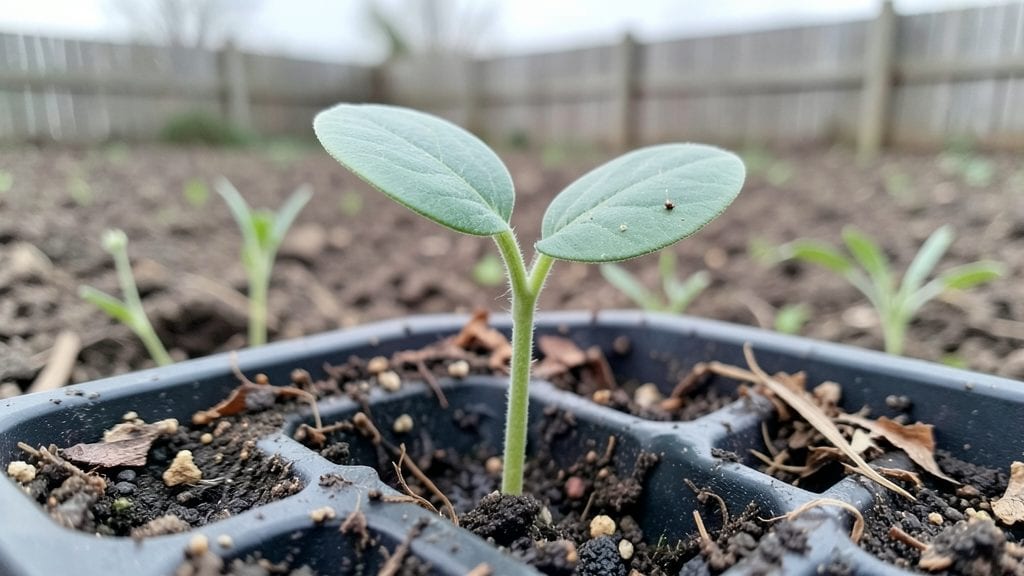
The secret to speedy pea plant germination isn’t just about patience—it’s about unlocking the right conditions to coax those first sprouts in days instead of weeks.
Tired of waiting weeks for your pea plants to sprout? Science reveals simple yet powerful tricks to accelerate pea plant germination—cutting your wait time by nearly half while boosting seedling strength.
Peas thrive when soil stays consistently moist but not soggy, temperatures hover between 60°F and 85°F, and seeds get just enough light to wake up without drying out.
Below, I’ll walk you through the five science-backed methods that turn stubborn seeds into vigorous seedlings—plus how to troubleshoot the most common pitfalls.


5 Science-backed methods to speed up pea plant germination
Waiting for pea seeds to sprout can feel like an eternity—especially when you're eager to harvest those sweet, fresh pods. The good news? Science shows you can cut germination time by up to 50% using proven techniques.
Pea seeds (Pisum sativum) thrive under specific conditions, and small adjustments can make a huge difference in how quickly they break through the soil. Whether you're a beginner or a seasoned gardener, these methods will help you transform weeks into days for stronger, healthier seedlings.
Pea seeds are cool-season crops, meaning they germinate best when soil temperatures stay between 45°F and 85°F. However, many gardeners unknowingly slow down the process by overlooking key factors like seed hydration, moisture consistency, and light exposure.
By focusing on science-backed strategies, you can ensure your pea seeds sprout faster, reducing the risk of rot or mold while giving your plants a head start. Let’s dive into the top five methods to accelerate germination and set your peas up for success.
Soak pea seeds in lukewarm water for 12-24 hours before planting. This hydrates the seed coat, softens it, and kickstarts metabolic activity. Use a mesh bag or damp paper towel to prevent over-soaking, which can cause rot.
Peas germinate fastest when soil stays between 70°F and 75°F. Use a seedling heat mat if your soil is too cool, or plant in late winter or early spring when frost has passed. Avoid planting in hot summer months, as temperatures above 85°F can slow or halt germination.
Pea seeds need constant moisture but will rot if overwatered. Use a spray bottle to mist the soil lightly every 1-2 days, or cover the planting area with plastic wrap to retain humidity. Check moisture by sticking your finger 1 inch deep—it should feel damp, not wet.
Pea seeds should be planted 1-2 inches deep in well-draining soil. Planting too shallow (less than 1 inch) can dry them out, while planting too deep (over 2 inches) may delay emergence. Use a seed spacing guide to ensure even depth and proper airflow.
Once sprouts appear, move them to a bright, indirect light source (like a south-facing window or grow lights). Avoid direct sunlight until seedlings are 1-2 inches tall, as it can scorch tender leaves. Use reflective surfaces (like aluminum foil) to maximize light exposure in low-light areas.
One of the simplest yet most effective methods to speed up pea germination is pre-soaking seeds. Pea seeds have a hard outer coat that can slow down water absorption, but soaking them in lukewarm water for 12-24 hours softens the coat and jumpstarts the germination process.
I recommend using a mesh bag or damp paper towel to keep seeds submerged without over-soaking, which can lead to mold. This method alone can reduce germination time by 3-5 days, giving you a noticeable head start.
Temperature control is another critical factor. Peas thrive in cool to moderate temperatures, with the ideal range for germination being 70°F to 75°F. If your soil is too cold, consider using a seedling heat mat or planting in a protected microclimate, like near a south-facing wall.
Avoid planting in hot summer conditions, as temperatures above 85°F can inhibit germination entirely. A simple soil thermometer can help you monitor conditions and adjust planting times accordingly.
Moisture is equally important—pea seeds need consistent moisture to germinate, but they’ll rot if overwatered. I’ve found that using a spray bottle to mist the soil lightly every 1-2 days works best.
For even more control, cover the planting area with plastic wrap to create a humid environment while preventing waterlogging. Always check soil moisture by sticking your finger 1 inch deep; it should feel damp, not soggy.
Proper planting depth is often overlooked but makes a huge difference in germination speed. Pea seeds should be planted
Pea seed germination requirements: ideal conditions for faster sprouting
Pea seeds are surprisingly sensitive to their environment, and even small changes in temperature, moisture, and soil conditions can dramatically affect how quickly they sprout. Unlike some hardy vegetables, peas prefer predictability—consistent conditions help them break dormancy faster and grow stronger roots.
I’ve found that mastering these four key factors can cut sprouting time by nearly 50%, turning weeks into days.
First, let’s tackle the most critical factor: temperature. Peas thrive in a narrow range of 60°F to 70°F (15°C to 21°C), with 65°F (18°C) being the sweet spot. If your soil is too cold, seeds may rot before sprouting, while temperatures above 80°F (27°C) can stunt growth.
I recommend using a seedling heat mat if your spring soil is still chilly—it’s a game-changer for early planting.
Moisture is equally important. Pea seeds need consistent dampness but will drown if oversaturated. Aim for soil that feels like a wrung-out sponge—moist but not soggy. A light misting every 1-2 days works best, or use a spray bottle to avoid disturbing the seeds.
Overwatering triggers rot, while uneven moisture causes seeds to dry out and fail to sprout.
Now, let’s talk soil. Peas prefer loose, well-draining soil rich in organic matter. A mix of compost and sand improves aeration, while a slightly acidic pH (around 6.0 to 7.0) encourages faster germination. Avoid heavy clay soil, which can suffocate young roots and delay sprouting.
Light plays a subtle but vital role. Unlike some seedlings, pea seeds don’t need light to germinate—they’ll sprout just fine in the dark. However, once they’ve broken the surface, 4-6 hours of indirect light daily helps them grow straight and sturdy.
If you’re starting seeds indoors, place them near a south-facing window or under a grow light after germination.
To monitor and adjust these conditions, I recommend using a soil thermometer and a simple moisture meter. Check the soil temperature daily, especially in early spring, and adjust your watering schedule based on how quickly the top inch dries out.
A clear plastic dome over seedlings can also help maintain humidity without overwatering.
Here’s a quick reference to keep everything straight:
One final tip: if you’re planting outdoors, choose a sheltered spot to protect young seedlings from wind and temperature swings. A simple row cover or cloche can make all the difference in early spring.
With these conditions dialed in, you’ll see those first green shoots in as little as 5-7 days instead of the usual 2-3 weeks.
🌱