Watering
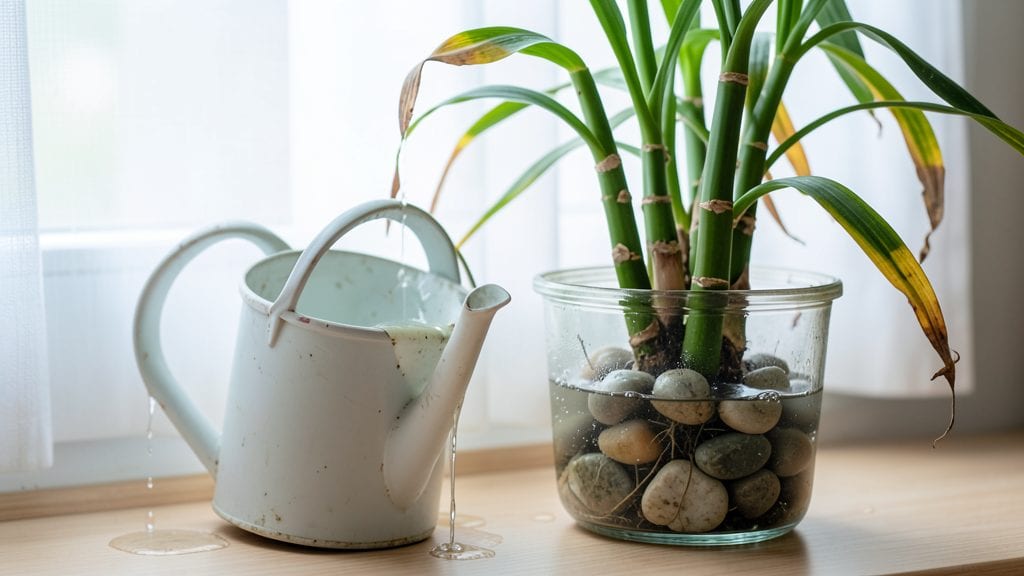
Your bamboo’s yellowing stems aren’t a death sentence—just a cry for help from soggy soil. 🌱 I’ve nursed back more than a few overwatered bamboo plants, and the fix comes down to three smart moves that stop the rot before it spreads.
The first sign? Leaves that turn yellow or mushy stems that feel squishy when you touch them. That’s your plant screaming, "I can’t breathe!"
Here’s the thing—bamboo hates wet feet. Most people think more water means happier plants, but the opposite is true. I check soil moisture with my finger before watering, and I’ve learned that bamboo thrives when the top 2-3 inches of soil dry out between waterings.
If your plant’s in a pot, make sure it’s got drainage holes—no exceptions. For in-ground bamboo, amending the soil with sand or perlite helps prevent water from pooling around the roots.
Once you’ve cut back on water, the next step is pruning any yellow or mushy stems at the base. It’s brutal, but necessary—think of it as giving your plant a fresh start.
Within 2-4 weeks, you’ll see new green shoots pushing through, and the plant will start looking like its old, vibrant self again. The key is patience; bamboo recovers slower than you’d think, but it will bounce back if you act fast.
To keep this from happening again, adjust your watering schedule based on the season. In summer, bamboo might need watering every 5-7 days, while winter could stretch that to every 10-14 days.
And if you’re growing bamboo in containers, upgrade to a pot that’s at least 12 inches wide—small pots dry out too fast, but they also trap moisture like a swamp. Trust me, your bamboo will thank you.
Excess Water Triggers Root Struggles
When your bamboo plant starts looking sad with yellowing stems, the culprit is often too much water—specifically, waterlogged soil. This happens when roots can’t breathe, leading to a cascade of problems. Let’s break down the science behind why overwatering sends your bamboo into distress.
Bamboo thrives in well-draining soil, but if your pot lacks drainage holes or the soil retains water like a sponge, excess moisture builds up. Without airflow, roots suffocate because:
- Oxygen depletion: Roots need oxygen to respire (breathe). Water fills soil pores, blocking oxygen and forcing roots to "drown."
- Fungal infections: Stagnant water creates the perfect breeding ground for Pythium or Phytophthora, fungi that rot roots and spread upward, causing yellowing.
- Nutrient lockout: Too much water washes away essential nutrients (like nitrogen and potassium) before roots can absorb them.
💡 Pro Tip: Test your soil’s drainage by filling a pot with water—if it drains in under 30 minutes, it’s good. If it pools for hours, repot with a perlite/sand mix (60% potting soil, 40% amendments).
Even with good drainage, watering on a schedule (rather than by need) is a common mistake. Bamboo’s water needs fluctuate based on:
- Climate: Humid air = slower evaporation = roots stay wet longer. In dry climates, soil dries faster, but overwatering is still risky if you don’t check moisture.
- Pot size: Small pots dry out quickly, but their roots also saturate faster. A 1-gallon pot may need water every 3–5 days, while a 5-gallon container might last 10+ days.
- Seasonal shifts: Winter slows root activity—watering as much as in summer causes root rot because roots aren’t absorbing moisture efficiently.
🌡️ Actionable Fix: Use the finger test: Stick your index finger 1–2 inches into the soil. If it’s damp, wait. If dry, water until it drains from the bottom. Adjust frequency based on these factors.
Sometimes, forces beyond your control contribute to overwatering. Watch for these sneaky culprits:
| Factor | How It Helps Overwatering | Solution |
|---|---|---|
| 🌧️ Heavy rainfall | Outdoor bamboo gets a double dose of water—soil stays soggy longer. | Move potted bamboo to a covered area or elevate pots to improve airflow. |
| 🏢 Indoor humidity | Humidifiers or kitchens/bathrooms keep soil moist longer than arid rooms. | Use a hygrometer (aim for 40–60% humidity) and reduce watering by 20–30%. |
| ❄️ Cold temperatures | Chilly roots absorb water slowly, leading to water buildup. | Water only when topsoil is bone-dry in winter (every 7–10 days). |
🔥 Key Takeaway: Overwatering isn’t just about how much you water—it’s about how the plant responds to its environment. By addressing drainage, watering habits, and external factors, you’ll give your bamboo’s roots the breathing room they need to bounce back.
Reviving Your Bamboo’s Health
An overwatered bamboo plant can feel like a soggy mess, but don’t toss it just yet! With the right steps, you can nurse it back to life and prevent future water woes.
Below, we’ll tackle the most common causes of overwatering—yellowing stems, mushy roots, and fungal growth—and show you how to fix them, fast. Plus, we’ll share pro tips to keep your bamboo thriving long-term.
If your bamboo’s stems are turning yellow, limp, or even black, it’s likely suffering from root rot—a classic sign of too much moisture. Here’s how to save it:
🔥 Step 1: Check the Roots
- Gently remove the plant from its pot and inspect the roots.
- Healthy roots are firm and white or light tan.
- Rotten roots are mushy, dark brown/black, and may smell foul.
🍳 Step 2: Trim the Damage
- Use clean, sharp scissors or pruning shears to snip off:
- Any black, mushy roots.
- Yellowing or soft stems (cut back to green growth).
- Pro Tip: Sterilize your tools with rubbing alcohol to prevent spreading disease.
👨🍳 Step 3: Repot in Fresh Soil
- Choose a pot with drainage holes (if repotting) and fill it with:
- A mix of well-draining potting soil (add perlite or sand for aeration).
- Avoid heavy garden soil—it retains too much moisture.
- For outdoor bamboo: Plant in a spot with partial shade and well-draining soil.
🥘 Step 4: Adjust Your Watering
- Wait 3–5 days before watering again—let the soil dry out slightly.
- Watering rule: Stick your finger 1–2 inches into the soil.
If it’s damp, wait. If dry, water thoroughly but sparingly. - Prevention: Use a moisture meter or the "knuckle test" (tap the pot—if it sounds hollow, it’s dry).
If you spot fuzzy gray/white patches on stems or soil, fungus is the culprit. Overwatering creates the perfect damp, dark environment for these pests.
🔪 Step 1: Remove Affected Areas
- Wipe off mold with a vinegar solution (1:1 water and white vinegar) or hydrogen peroxide (3%).
- For severe cases, trim off infected stems or leaves.
⏰ Step 2: Improve Airflow & Light
- Move the plant to a brighter spot (but avoid direct sun, which can stress it).
- Space out plants if growing multiple bamboo in one area.
- Use a fan for 10–15 minutes daily to dry leaves faster.
🌡️ Step 3: Treat with Fungicide (If Needed)
- Spray with a copper-based fungicide or neem oil solution (1 tsp neem oil + 1 quart water).
- Prevention: Let the top 1–2 inches of soil dry out between waterings.
If your bamboo’s pot feels heavy or water pools on top, the soil isn’t draining properly. This traps moisture and suffocates roots.
✨ Step 1: Refresh the Soil Mix
- Dump out half the old soil and replace it with:
- 60% potting mix + 30% perlite/pumice + 10% compost.
- For outdoor plants: Amend the soil with sand or coconut coir to improve drainage.
🎯 Step 2: Upgrade the Pot (If Needed)
- If the pot has no drainage holes, transfer the plant to one that does.
- Terracotta pots are great for bamboo—they wick away moisture.
🔥 Step 3: Water Less Frequently
- Outdoor bamboo: Water 1–2 times per week (depending on rain).
- Indoor bamboo: Water every 7–10 days, checking soil moisture first.
- Prevention: Add a 1-inch layer of gravel at the pot’s bottom to boost drainage.
Once your bamboo is back on track, keep it happy with these habits:
- ✅ Test your soil every few months—aim for slightly moist but never soggy.
- ✅ Fertilize lightly in spring/summer with a balanced, water-soluble fertilizer (half-strength).
- ✅ Prune regularly to improve airflow—remove dead leaves and crowded stems.
- ✅ Monitor humidity—bamboo prefers 40–60% humidity. Use a pebble tray if your home is dry.
With these fixes, your bamboo should bounce back in 2–4 weeks. The key? Less water, more patience. Soon, you’ll have a lush, thriving plant that’s the envy of the garden! 🌿💚
Frequently asked questions about overwatered bamboo
Why does my bamboo plant turn yellow when it gets too much water?
Yellowing stems are your bamboo’s SOS signal for soggy roots. When soil stays too wet, oxygen gets locked out, causing roots to suffocate and nutrients to wash away. This triggers a chain reaction—roots rot, leaves can’t get food, and stems turn yellow or limp. The fix? Let the top 2-3 inches of soil dry between waterings.
Can I save bamboo with black, mushy stems?
Yes, but act fast! Trim away all black/mushy stems down to healthy green growth, then repot in fresh, well-draining soil. Wait 3-5 days before watering again. If roots are severely rotted, you may need to cut back even more—healthy roots should be firm and white, not slimy and brown.
How often should I water bamboo in pots vs. in the ground?
Potted bamboo needs water every 7-10 days (check soil moisture first), while in-ground bamboo usually thrives on 1-2 waterings per week during dry spells. The key difference? Container soil dries faster but also traps moisture. Always use pots with drainage holes and avoid letting water pool in saucers.
What’s the fastest way to check if my bamboo is overwatered?
Do the finger test: Stick your index finger 1-2 inches into the soil. If it feels damp, hold off on watering. For a quick visual check, lift the pot—if it feels heavy, it’s likely overwatered. Healthy soil should feel slightly moist but not soggy. Pro tip: Tap the pot—if it sounds dull, it’s holding too much water.
Will my bamboo recover if I’ve been overwatering it for months?
It depends on how severe the damage is! If only leaves are yellow but roots are still mostly firm, your plant can recover with proper care. However, if roots are completely rotted (black, mushy, smelly), you may need to start with just the healthy base. Even then, give it time—bamboo is tough but slow to bounce back. Be patient and adjust your watering habits completely.