
Plants
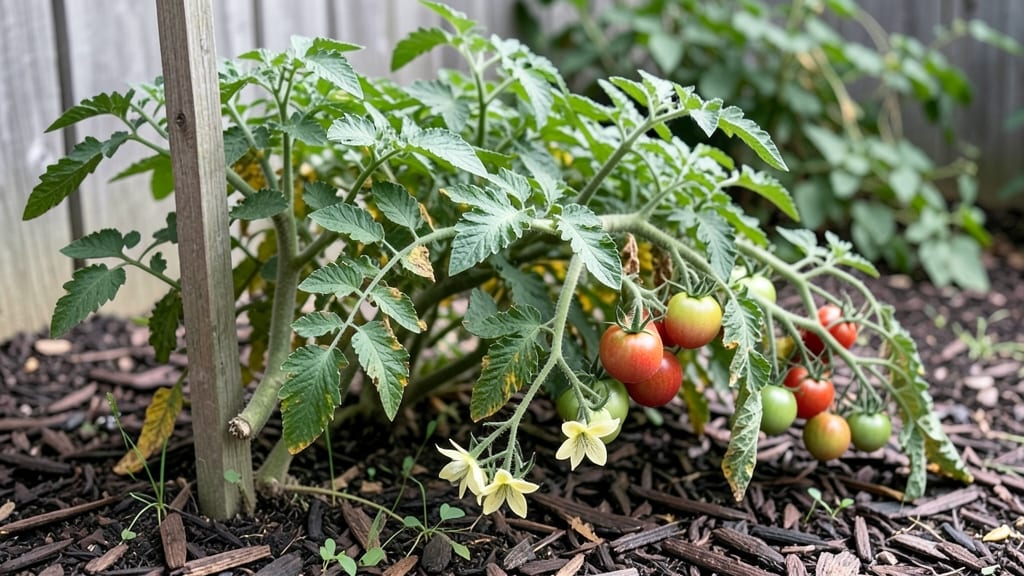
Overgrown tomato plants can feel like a jungle takeover—too much foliage, too few fruits, and a tangle that makes harvesting a chore. I’ve wrestled with this mess myself, and the right cuts can transform a chaotic plant into a productive powerhouse within weeks.
The key isn’t hacking away randomly but strategic pruning that balances growth and fruit production.
Most overgrowth happens when plants get too much nitrogen or not enough light, sending all their energy into leaves instead of fruit. You’ll need sharp pruners, a sunny afternoon, and about 30 minutes to reset your plants.
Focus on removing suckers (those little shoots between stems) and thinning crowded branches to let air circulate—this cuts down on disease and pests too.
After pruning, you’ll notice new growth within 7-10 days, with flowers and fruit appearing faster than before. The plants stay stronger, produce more tomatoes, and even handle heat better. It’s like hitting the reset button on your garden’s most productive workhorse.
Works for both indeterminate (vining) and determinate (bush) types, though the approach varies slightly. Once you’ve mastered this, you’ll spot overgrowth early and keep your tomatoes thriving all season. Let’s get those plants back in shape!
Root Causes of Unruly Growth
When your tomato plants start stretching skyward like overzealous toddlers reaching for cookies, it’s usually a cry for help—not just from the vines, but from the plant itself. Understanding the why behind this rampant growth is the first step to reclaiming control.
Below, we break down the science-backed reasons your plants are running wild, complete with actionable insights to curb the chaos.
Tomatoes thrive in warmth, but too much of a good thing can send them into overdrive. When exposed to intense sunlight or high temperatures (above 90°F/32°C), plants ramp up photosynthesis to cool themselves down.
This triggers rapid, leggy growth as they stretch to escape the heat. Worse yet, the energy diverted to vertical growth robs the plant of its ability to produce fruit.
Why it happens:
- Ethylene gas production: Heat stress boosts ethylene, a plant hormone that signals bolting (rapid stem elongation). Think of it as the plant’s version of a panic button.
- Nutrient dilution: Fast growth dilutes the plant’s stored nutrients, leading to weak stems and fewer blossoms.
- Sunburn risk: While shade can prevent overgrowth, too little light weakens the plant, making it even more prone to flopping under its own weight.
Actionable fix: Provide afternoon shade (especially in hot climates) or use lightweight row covers to diffuse sunlight. For container growers, move pots to a spot with 6–8 hours of morning sun only.
Tomatoes hate soggy feet. When soil stays chronically wet—whether from overwatering, heavy clay, or lack of drainage—roots suffocate, and the plant responds by growing taller and thinner in a desperate bid to access air. This "waterlogged stress" also triggers blossom drop, as the plant prioritizes survival over fruiting.
Why it happens:
- Root asphyxiation: Oxygen deprivation forces roots to grow upward, seeking air. This creates weak, spindly stems that can’t support fruit.
- Nutrient leaching: Excess water washes away nitrogen and phosphorus, critical for leaf and flower development.
- Disease pressure: Damp conditions invite fungal pathogens like Fusarium wilt, which further stress the plant.
Actionable fix:
- Test soil moisture with your finger—water only when the top 1–2 inches are dry.
- Amend heavy soil with compost or perlite to improve drainage.
- Use drip irrigation (not overhead watering) to keep foliage dry.
Fertilizer labels don’t lie: if your tomatoes are growing like Weed Whackers but producing zero fruit, you’re likely overfeeding them nitrogen (N). Nitrogen fuels leafy growth at the expense of flowers and fruit. A common mistake is using high-N fertilizers (like lawn food) or over-fertilizing early in the season.
Why it happens:
- Hormonal shift: High nitrogen suppresses florigen (the hormone that triggers flowering) and gibberellins (which promote fruit set).
- Energy misallocation: The plant diverts resources to leaves and stems instead of developing blossoms.
- Root stunting: Excess nitrogen can burn roots, reducing the plant’s ability to absorb other critical nutrients like phosphorus (P) and potassium (K).
Actionable fix:
- Switch to a balanced fertilizer (e.g., 5-10-10 or 3-4-6) or one higher in phosphorus (e.g., 7-9-5) to encourage flowering.
- Avoid fertilizing during hot spells—plants burn nutrients faster.
- Top-dress with compost or bone meal for a phosphorus boost.
Tomatoes are vines by nature, and left unchecked, they’ll grow into tangled monsters. Without pruning or staking, plants pour energy into excessive lateral shoots (suckers) and uncontrolled sprawl, diverting resources from fruit production. Even determinate (bush) varieties can become top-heavy and prone to disease if not supported.
Why it happens:
- Competition for resources: Each sucker and leaf is a sink that drains energy from developing fruit.
- Light starvation: Dense foliage blocks sunlight from lower leaves, causing them to yellow and die (a process called shading), which stresses the plant.
- Disease risk: Crowded plants trap moisture, creating ideal conditions for blight and mildew.
Actionable fix:
- Prune suckers (the small shoots in the leaf axils) weekly for indeterminate varieties.
- Use cages, stakes, or trellises to support vertical growth and improve airflow.
- For determinate varieties, pinch off lower leaves to keep the plant’s energy focused on fruit.
Tomatoes are temperamental divas when it comes to climate. Sudden drops below 50°F (10°C) or spikes above 95°F (35°C) can send them into survival mode, triggering bolting (rapid stem elongation) or blossom drop. Even wind stress can cause plants to grow lanky as they lean into the breeze.
Why it happens:
- Cold stress: Low temps disrupt pollen production and slow root growth, forcing the plant to focus on stem elongation.
- Heat shock: High temps denature enzymes needed for fruit set, leading to flower abortion.
- Transpiration imbalance: Wind increases water loss, causing the plant to grow taller to access more moisture.
Actionable fix:
- Use row covers for early-season cold snaps or shade cloth during heatwaves.
- Mulch heavily to stabilize soil temps and reduce stress.
- Choose heat-tolerant varieties (e.g., ‘Solar Fire’ or ‘Heatmaster’) if you’re in a hot climate.
Frequently asked questions
Can I prune my tomato plants too much?
Yes, over-pruning can stress your plants and reduce fruit production. For indeterminate varieties, never remove more than 1/3 of the foliage at once. Focus on removing suckers and crowded branches rather than hacking away at healthy leaves. Determinate varieties need even less pruning—just shape them lightly and remove diseased leaves.
How do I know if my tomato plant is overgrown?
Look for these signs: leggy stems, dense foliage blocking sunlight, fewer flowers/fruit, or yellowing lower leaves. If your plant is taller than 5 feet with sparse fruit clusters, it’s likely overgrown. Also check for weak stems that can’t support the plant’s weight.
What's the best time of day to prune tomato plants?
Prune on a cool, cloudy morning to reduce stress on the plant. Avoid pruning in the midday heat or late afternoon, as this can shock the plant and invite pests. If you must prune later in the day, water the plant well afterward to help it recover.
Will pruning my tomato plants delay fruiting?
Not if done correctly! Strategic pruning actually speeds up fruiting by redirecting energy to flower clusters. However, if you prune too late in the season (within 4-6 weeks of harvest), you may reduce the current crop. Focus on pruning early to mid-season for best results.
Can I use kitchen scissors instead of pruners?
For small jobs, yes! Clean kitchen scissors work in a pinch, but invest in sharp bypass pruners for larger plants. Sterilize your tools with rubbing alcohol between cuts to prevent spreading disease. Avoid dull tools—they crush stems and invite infections.