
Companion Plants
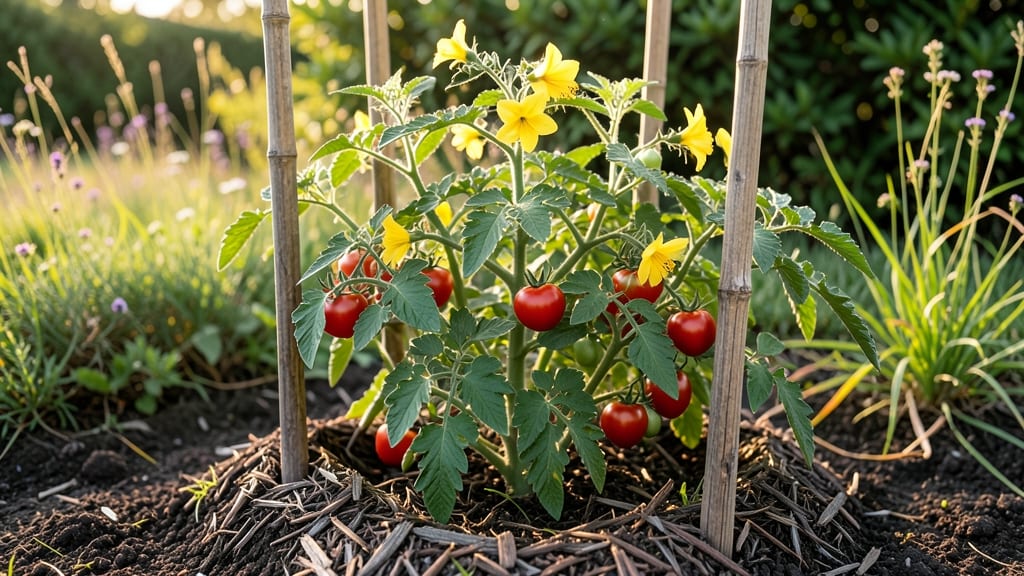
Aussie tomato plants thrive where others struggle, turning harsh sun and heat into sweet, abundant harvests. 🌿 I learned the hard way that standard varieties wilt under Australia’s relentless summer—until I switched to heat-tolerant Aussie types like Roma and Beefsteak.
These aren’t just tomatoes; they’re survivors with built-in pest resistance and flavor that beats store-bought every time.
The secret starts with soil—light, well-draining, and loaded with compost to keep roots cool. Plant in late fall or early spring when temperatures dip below 85°F, and choose a spot with 6+ hours of sun daily but afternoon shade if possible.
Water deeply twice a week, always at the base to avoid fungal issues. Prune aggressively to improve airflow and focus energy on fruit, not foliage.
By midsummer, you’ll be picking glossy red tomatoes that stay firm on the vine despite the heat. The flavor? Richer than anything from a nursery, with thick skins that resist cracking.
Even my neighbor’s skeptical skepticism turned to envy when he tasted mine—no pesticides, no fuss, just sun and stubborn Aussie grit.
Works in pots or ground, from coastal humidity to inland dryness. The key is patience: these plants reward slow growth with heavy yields through winter. Here’s how to set yours up for success—no more wilting, just winning harvests.
📚 In This Guide
- What you need
- Instructions
- Tips and common mistakes
- Wrapping up and next steps
What you need
- ● Tomato seeds or seedlings: Choose aussie-specific varieties like ‘Early Red’ or ‘Black Prince’ (resistant to common pests like psyllids and fruit fly). Quantity: 3–6 plants per person (or 1–2 per pot if container-growing).
- ● Well-draining soil: Mix 1 part potting mix with 1 part compost (or use a tomato-specific blend). pH: 6.0–6.8 (test with a soil kit). Volume: At least 1 cubic foot per plant (or 5-gallon pots for containers).
- ● Compost or organic fertilizer: Balanced (10-10-10) or chicken manure (aged, to avoid burning roots). Application: 1–2 tbsp per plant at planting, then monthly.
- ● Support system: For determinate varieties: Sturdy cages (4–5 ft tall) or wooden trellises.
- ● For indeterminate varieties: Tall stakes (6+ ft) + soft ties (e.g., tree straps or old T-shirts).
- ● Mulch: Straw or sugar cane mulch (3–4 inches thick) to retain moisture and deter pests.
- ● Hand trowel (for transplanting seedlings).
- ● Garden gloves (to protect from thorns and soil-borne pathogens).
- ● Watering can or drip irrigation kit (deep watering 2–3 times/week in dry climates).
- ● Pruning shears (sterilized with rubbing alcohol to prevent disease).
- ● Spray bottle (for neem oil or soapy water sprays against pests).
- ● Companion plants: Basil, marigolds, or garlic (plant near tomatoes to repel pests like aphids and whitefly).
- ● Shade cloth (30–50%) for seedlings or hot afternoons.
- ● Row covers (fine mesh) to protect from fruit fly and psyllids.
- ● Soil moisture meter (to avoid over/under-watering).
- ● Epsom salt (1 tbsp per gallon of water, monthly) for magnesium boost.
Step-by-step instructions for growing Aussie tomato plants
Here's the foolproof method I've used to grow thriving, pest-resistant tomato plants in Australia's climate.
🌱 Step 1: Choose the Right Varieties for Your Region
Australia's diverse climates demand careful variety selection. For cooler coastal areas, opt for early-maturing types like 'Early Girl' or 'Roma' that handle 55-75°F temperatures well. In the hotter inland regions, heat-tolerant varieties such as 'Heatmaster' or 'Solar Fire' thrive in 75-95°F conditions without bolting prematurely.
I always check the Australian Seed Bank's regional guides to match varieties with your local frost dates. This ensures your plants mature before seasonal heat or cold sets in. For example, in Sydney, I plant 4-6 weeks before the last frost (typically late August), while in Perth, I start seeds 8-10 weeks earlier due to milder winters.
🪴 Step 2: Prepare Containers or Raised Beds
Tomatoes need excellent drainage and warmth, so I use 18-inch deep containers or raised beds filled with 3 gallons of premium potting mix blended with 1 cup compost. The depth prevents root binding, while the compost provides slow-release nutrients. Add a 5-10-10 fertilizer at planting time to give roots a growth boost.
Place containers in a location with 6+ hours of direct sun—tomatoes in Australia's intense sunlight need protection from afternoon heat. I use shade cloth (30-50%) during peak summer hours to prevent sunscald on fruit. Water the mix thoroughly before planting to ensure even moisture distribution.
☀️ Step 3: Plant and Support for Optimal Growth
Dig a hole twice the width of the root ball and place the seedling in, ensuring the top of the root ball sits ½ inch below soil level. This prevents stem rot while keeping roots cool. I always stake tomatoes immediately with 6-foot bamboo stakes or use cage supports to encourage upward growth and prevent wind damage.
Water deeply right after planting to settle the soil around roots. Mulch with 2 inches of straw to retain moisture and suppress weeds. The key here is consistency—water every 2-3 days until the top inch of soil feels dry, adjusting for rainfall. Overwatering leads to blossom-end rot, while underwatering causes fruit to split.
✂️ Step 4: Prune and Maintain for Pest Resistance
Prune suckers (the small shoots in leaf axils) weekly to focus energy on fruit production. I remove all leaves below the first flower cluster to improve airflow and reduce humidity, which deters fungal diseases like powdery mildew. Pinch off the first flower cluster if your plant is still small—this encourages stronger stem growth before fruiting.
Use neem oil spray every 2 weeks as a preventative against common Aussie pests like aphids and whiteflies. I also rotate companion plants like basil or marigolds nearby—their scents naturally repel pests. Watch for hornworms (they love tomatoes!) and handpick them in the early morning when they're sluggish.
🍅 Step 5: Harvest at Peak Ripeness
Harvest tomatoes when they reach full color and slight softness—this ensures maximum flavor and shelf life. In Australia's warm climate, some varieties (like 'Black Krim') ripen unevenly, so I pick them when 70% ripe and finish ripening indoors. Use pruning shears to avoid damaging the vine, and store harvested tomatoes at room temperature away from direct sunlight.
Continue harvesting until the first frost (or heatwave, depending on your region). I always save seeds from the best-performing plants to adapt to local conditions over time. This simple step ensures your Aussie-grown tomatoes improve with each generation.
Tips & tricks for perfect Aussie tomato plants
These game-changing strategies will help you grow tomatoes that thrive in Australia's unique climate while staying ahead of pests and weather challenges.
Climate-Specific Variety Selection: The 55-75°F range for coastal varieties and 75-95°F tolerance for inland types isn't just about temperature—it's about matching your local microclimate. If you're in Brisbane, for example, consider 'Sungold' which handles the city's subtropical heat better than standard varieties. For Melbourne's cooler nights, 'Roma' produces more consistently. I always test a few varieties in my first season to see which performs best in my specific backyard conditions.
Soil Science Matters: That 3 gallons of premium potting mix with 1 cup compost isn't just about nutrients—it's about creating the perfect air-to-moisture ratio. I've found that adding 1 part perlite to every 3 parts potting mix improves drainage without sacrificing moisture retention. This becomes especially important during Australia's intense summer downpours when containers can become waterlogged. The 18-inch depth is critical too—shallower containers restrict root growth and reduce yield.
Watering Wisdom: The "every 2-3 days" guideline is a starting point, but Australia's climate demands more precision. I check soil moisture by sticking my finger 2 inches deep—if it feels dry, that's when to water. Morning watering is best to prevent fungal issues from evening moisture. For container plants, I've found that using self-watering pots with a reservoir prevents the moisture fluctuations that cause blossom-end rot. The 2 inches of straw mulch does more than retain moisture—it regulates soil temperature and deters weeds that compete with your tomatoes.
Pest Prevention Strategy: That neem oil spray every 2 weeks is your first line of defense, but I've added a second layer: I rotate between neem oil and a garlic-chili spray (blended garlic, chili flakes, and water) every other application. The chili adds a natural repellent that confuses pests. For hornworms, I've had success with BT (Bacillus thuringiensis) spray—it's organic and specifically targets caterpillars without harming beneficial insects. The key is consistency: pests don't stand a chance when you're proactive.
Pro Tips for Aussie Tomato Plants
- These game-changing strategies will help you grow tomatoes that thrive in Australia's unique climate while staying ahead of pests and weather challenges.
- Climate-Specific Variety Selection: The 55-75°F range for coastal varieties and 75-95°F tolerance for inland types isn't just about temperature—it's about matching your local microclimate.
- Soil Science Matters: That 3 gallons of premium potting mix with 1 cup compost isn't just about nutrients—it's about creating the perfect air-to-moisture ratio.
Frequently asked questions
Got questions about growing Aussie tomato plants? You’re not alone!
Here are answers to the most common queries to help you cultivate thriving, pest-resistant vines and enjoy a bountiful harvest.
What’s the best time to plant Aussie tomato plants in Australia?
Aussie tomato plants thrive in warm soil, so aim for late spring to early summer (September–November) in most regions. In cooler climates (like Tasmania or the Tablelands), wait until after the last frost—usually late October or November. For a head start, sow seeds indoors 6–8 weeks before transplanting.
How do I keep pests away from my Aussie tomato plants?
Aussie tomatoes are bred for pest resistance, but aphids, whiteflies, and tomato moths can still strike. Combat them with:
- Companion planting: Grow basil, marigolds, or nasturtiums nearby to repel pests naturally.
- Neem oil spray: A gentle, organic solution to deter insects.
- Row covers: Use lightweight fabric to block flying pests early in the season.
- Handpick: Remove larger pests (like hornworms) by hand in the morning.
Can I grow Aussie tomatoes in containers, or do they need a garden bed?
Aussie tomatoes adapt well to containers if you choose the right variety (like ‘Tiny Tim’ or ‘Micro Tom’) and provide:
- A 5-gallon+ pot with drainage holes.
- Well-draining potting mix (add compost for nutrients).
- Full sun (6+ hours daily) and sturdy stakes for support.
How long does it take for Aussie tomato plants to produce fruit?
From seed to harvest, Aussie tomatoes typically take 70–90 days for determinate varieties (bush types) and 80–100 days for indeterminate (vining) types. If you’re transplanting seedlings, expect fruit in 50–70 days under ideal conditions. Patience pays off—prune suckers and deadhead flowers to encourage bigger, healthier tomatoes!
What if my Aussie tomatoes aren’t ripening? Troubleshooting tips!
Unripe tomatoes? Check these common culprits:
- Cool temps: Tomatoes need 20–30°C (68–86°F) to ripen. Use a cloche or row cover if nights are chilly.
- Water stress: Too much or too little water causes blossom end rot or stunted growth. Aim for 1–2 inches of water weekly.
- Nutrient deficiency: Yellow leaves? Add tomato-specific fertilizer or compost mid-season.
- Overcrowding: Space plants 45–60cm apart for airflow and sunlight.
Wrapping up and next steps
Growing aussie tomato plants in your sunny patch isn’t just rewarding—it’s a game-changer for pest-resistant, flavor-packed harvests! 🌱 By pairing them with the right companion plants like basil, marigolds, or borage, you’ll create a thriving ecosystem that keeps pests at bay and boosts your garden’s productivity.
Now that you’re armed with the secrets to success, it’s time to roll up your sleeves and turn your garden dreams into reality.
Ready to dive in? Start by sketching your garden layout, gathering your materials, and planting those aussie tomatoes with confidence. Before you know it, you’ll be savoring homegrown tomatoes that taste like sunshine—and bragging rights to boot! 🍅✨