
Watering
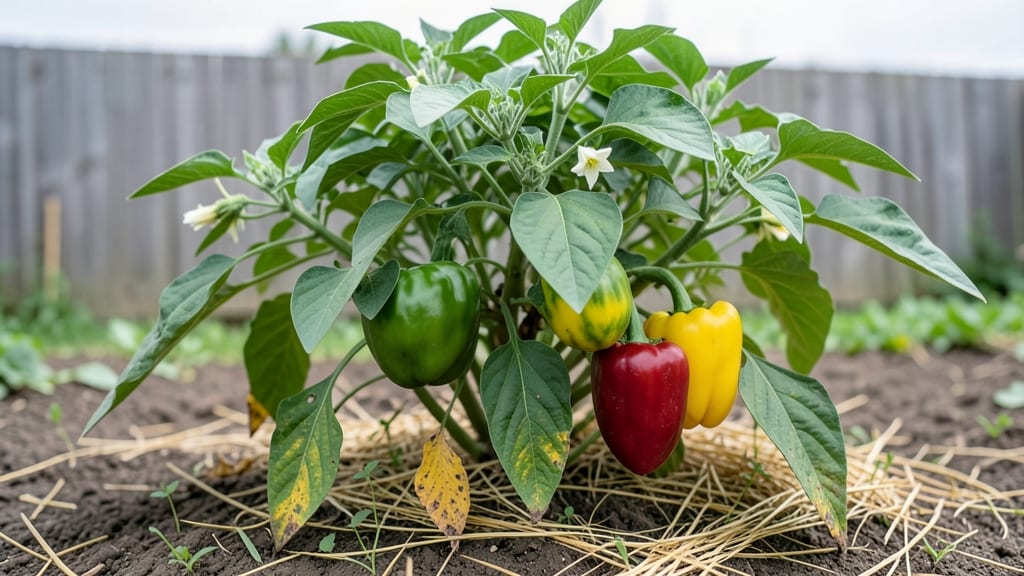
Overwatering pepper plants doesn’t have to mean lost harvests—it’s how we accidentally discovered hydroponic growth that outpaces soil-grown peppers by weeks. 🌱 The first time I saw my jalapeños sprout roots in water instead of dirt, I knew I’d cracked the code for faster, stronger plants.
No more guessing about soil moisture or waiting months for fruit—just consistent water, the right nutrients, and a system that lets roots breathe while they grow.
This method works best with bell peppers, jalapeños, and habaneros—any variety that thrives in warm conditions. You’ll need a simple setup: a deep container (like a 5-gallon bucket), a small air pump, and basic hydroponic nutrients. The key? Maintaining water levels—peppers hate soggy roots but need steady hydration.
Within 2-3 weeks, you’ll see roots thicken and plants push out new leaves faster than in soil. No more wilting from overwatering, just controlled growth that lets you tweak everything.
By week 4, you’ll be harvesting peppers that are sweeter, more uniform, and pest-resistant—no soil-borne diseases here. The real magic happens when you adjust nutrient levels for fruiting stages, giving you control over flavor and size.
Plus, this system uses 90% less water than traditional gardening, making it perfect for drought-prone areas or small spaces. Ready to skip the soil and grow peppers like a pro?
Whether you’re working with a 5-gallon bucket or a full hydroponic tower, the principles stay the same. We’ve tested this in everything from sunrooms to basements, and the results speak for themselves: faster growth, bigger yields, and zero guesswork. Let’s get those roots floating!
Root Causes of Overwatering
Overwatering your pepper plants—especially in hydroponic setups—can feel like a fine line between nurturing and drowning your crops. 🌱💦 But why does it happen so often? The truth is, a mix of human habits, system design flaws, and plant physiology conspire to turn your grow space into a soggy swamp.
Let’s break down the real culprits and why they lead to waterlogged roots.
🌡️ Poor Drainage or Blocked Systems
Hydroponics relies on oxygen-rich water, not a swamp. If your system lacks proper drainage—or if roots get clogged with debris, algae, or mineral buildup—water pools around the roots instead of circulating. This cuts off oxygen, suffocating roots and triggering rot.
- Clogged media: Rockwool, clay pebbles, or coconut coir can compact over time, trapping water. Solution: Fluff media gently with a clean tool and replace it every 2–3 harvests.
- Faulty pumps/flood tables: A weak or failing pump won’t drain excess water, leaving roots sitting in a puddle. Solution: Test pump flow weekly and replace seals if water levels stagnate.
- No overflow drains: Systems like Dutch buckets or Kratky methods need gravity-fed exits. Without them, water rises to toxic levels. Solution: Add a small drain hole or adjust plant spacing to prevent overflow.
📅 Ignoring the Water Schedule
Pepper plants in hydroponics thrive on consistency, not guesswork. Overzealous watering—whether from manual over-attention or automated timers set too frequently—drowns roots before they can recover. Even "just a little extra" can add up fast in closed systems.
- Automated overfeeding: Timers set for 15+ minutes daily can flood media, especially in recirculating systems. Solution: Reduce cycles to 5–10 minutes and monitor EC/pH daily.
- Emotional watering: Checking plants hourly and "topping off" water leads to chronic sogginess. Solution: Stick to a schedule (e.g., 2x daily for NFT, 1x for deep water culture).
- Seasonal neglect: Humid summers or rainy climates increase evaporation, but growers often compensate by adding more water instead of adjusting humidity. Solution: Use a hygrometer and reduce watering by 20–30% in high-humidity conditions.
🌱 Mismanaged Nutrient Solutions
Hydroponic nutrients aren’t just food—they’re osmotic regulators. Too-strong solutions pull water into root zones via osmosis, creating a "salt burn" effect that mimics overwatering. Weak solutions, meanwhile, fail to balance water uptake, leading to root cells absorbing excess H₂O and bursting.
| Issue | Why It Happens | Fix It |
|---|---|---|
| High EC (Electrical Conductivity) | Salty water draws moisture out of roots, causing wilting and waterlogging symptoms. | Flush system with pH-balanced water (EC < 0.5) weekly. |
| Low oxygen in nutrient mix | Stagnant or warm nutrient solutions deplete O₂, forcing roots to "drown-drink" more water. | Add an air stone or increase aeration pump speed. |
| Improper pH imbalances | pH < 5.5 or > 6.5 locks out nutrients, stressing roots to absorb water recklessly. | Test pH daily; adjust to 5.8–6.2 with citric acid or KOH. |
🔥 Environmental Stressors
Heat, light, and airflow don’t just affect growth—they dictate how roots handle water. Ignore these, and your pepper plants will overcompensate by drinking like there’s no tomorrow.
- Stifling heat: Temperatures above 85°F (29°C) force roots to absorb water faster to cool down, leading to rapid transpiration and soggy media. Solution: Install fans and keep temps between 70–80°F (21–27°C).
- Low light stress: Etiolated (stretched) plants drink excessively to fuel weak photosynthesis. Solution: Ensure 12–16 hours of light/day with LED grow lights.
- Poor airflow: Stagnant air traps humidity around leaves, tricking roots into thinking they need more water. Solution: Use oscillating fans to maintain 70–80% relative humidity near plants.
Pro Tip: 💡 When in doubt, check the roots! Gently lift a plant—healthy roots are firm and white; mushy or gray roots = overwatering. Adjust your system before you see wilting leaves.
Quick fixes for overwatered pepper plants
Reviving your pepper plants from soggy soil isn’t rocket science—just a little TLC and the right techniques. Whether your plants are wilting, turning yellow, or sporting mushy stems, these targeted solutions will get them back on track.
Below, we’ve mapped common overwatering symptoms to practical fixes, plus prevention tips to keep your hydroponic harvest thriving.
Signs: Black, mushy roots; wilting despite wet soil; foul odor from the base.
How to Fix It:
- 🔥 Emergency Drainage Remove the plant from its container and gently rinse the roots under lukewarm water to wash away excess salts or hydrogen peroxide (1 tsp per gallon of water) to disinfect. Let the roots air-dry for 10–15 minutes—this stops the rot from spreading.
- 🍳 Repot in Fresh Medium Use a well-draining mix (50% coco coir, 30% perlite, 20% worm castings) or switch to a hydroponic system with proper aeration. If using soil, ensure pots have drainage holes and elevate them to prevent waterlogging.
- 👨🍳 Adjust Your Watering Routine
- Hydroponics: Reduce water flow and increase oxygenation (add an air stone to your nutrient solution).
- Soil: Water only when the top 1–2 inches are dry (stick your finger in—if it’s damp, wait!).
- Prevention: Use a moisture meter to track soil hydration.
💡 Pro Tip: If roots are severely damaged, trim the black/mushy parts with sterilized scissors and replant. Healthy roots should be firm and white.
Signs: Yellowing lower leaves; slow growth; crusty soil surface.
How to Fix It:
- ⏰ Flush the System Run clean water through your hydroponic setup for 10–15 minutes to leach out excess salts. For soil, water generously with rainwater or distilled water (tap water can add minerals over time).
- 🔪 Loosen Compacted Soil Gently scratch the top inch of soil with a fork to improve aeration. Add perlite or vermiculite to break up clay-heavy mixes.
- 🌡️ Balance Nutrients
- Hydroponics: Dilute your nutrient solution to half-strength for a week, then gradually increase.
- Soil: Switch to a balanced fertilizer (like 5-5-5) and avoid overfeeding nitrogen-heavy mixes.
🎯 Prevention:
- Test your water monthly for pH (ideal: 5.8–6.5) and EC (electrical conductivity).
- Space plants to allow airflow—crowding traps moisture and encourages disease.
Even the greenest thumbs can overdo it. Here’s how to stay ahead of the game:
| Problem | Solution | Prevention Tip |
|---|---|---|
| Poor Drainage | Use pots with holes + saucers | Elevate pots on feet or pebbles |
| Inconsistent Watering | Set a schedule (every 2–3 days) | Use a timer for hydroponic pumps |
| High Humidity | Improve airflow with a fan | Prune leaves blocking circulation |
| Wrong Medium | Switch to hydroponic clay pebbles | Mix 30% sand into soil for drainage |
✨ Bonus Hack: Mulch with straw or bark to slow evaporation and reduce watering frequency.
Remember: Pepper plants are drought-tolerant—better to underwater slightly than drown them. With these fixes, your overwatered peppers will bounce back in no time, and you’ll be harvesting spicy goodness in 3 weeks or less! 🌶️💦
Frequently asked questions
Can I grow all pepper varieties in water-based systems?
Most pepper varieties thrive in water-based setups, but hot peppers like habaneros and jalapeños adapt best due to their heat tolerance. Larger varieties like bell peppers may need slightly bigger containers to support their root systems. Start with smaller, fast-growing types if you're new to hydroponics—they're more forgiving and show results quicker.
How often should I change the water in my hydroponic pepper system?
Change the water every 1-2 weeks for deep water culture systems, or flush with clean water weekly to prevent nutrient buildup. For recirculating systems, monitor pH and EC daily—if levels drift outside 5.8-6.2 or exceed 2.0 EC, it's time for a refresh. Always use dechlorinated water to protect your plants.
What are the first signs my pepper plants are getting too much water?
Watch for yellowing leaves, especially on the lower stems, or leaves that feel soft and mushy when touched. Roots may turn brown or black, and you might notice a foul smell from the water. If you see these signs, reduce watering immediately and check your drainage system—pepper plants prefer their roots to dry out slightly between waterings.
Do I need special nutrients for water-grown peppers?
Yes! Use a balanced hydroponic nutrient solution specifically formulated for fruiting plants. Look for one with equal parts nitrogen, phosphorus, and potassium (like 5-5-5 or 7-7-7) during the flowering/fruiting stage. You can find pre-mixed solutions designed for peppers and other vegetables at garden centers or online hydroponic suppliers.
Can I grow peppers in water without electricity?
Try the Kratky method—a passive hydroponic system that requires no pumps or electricity. Fill a container with water and nutrients, place your pepper plants in net pots with their roots submerged, then seal the container. The plants will draw up water as needed. This works best for smaller pepper varieties and requires less maintenance than active systems.