
Pruning
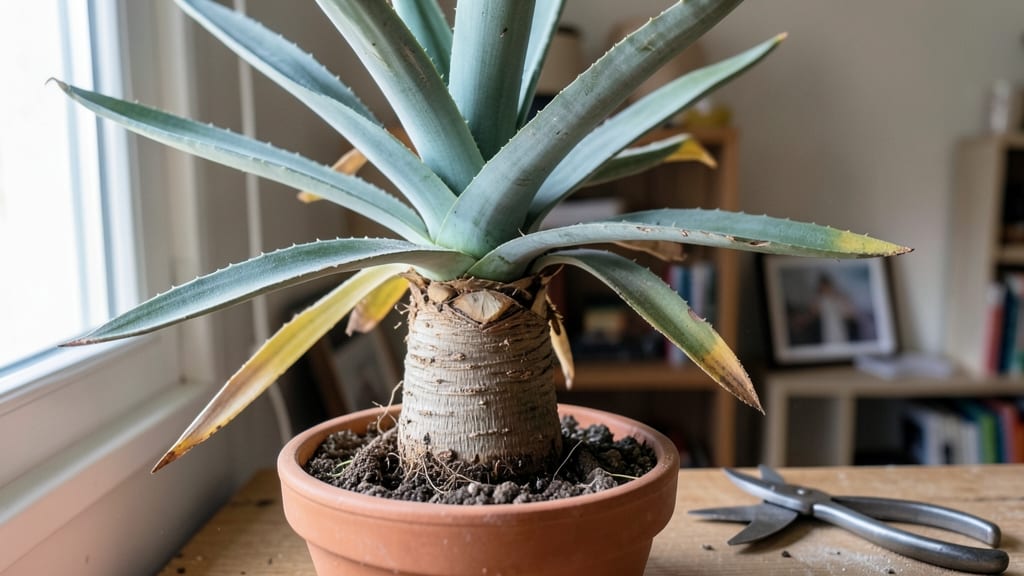
Pruning your outdoor yucca plant isn’t just about cutting back—it’s the secret to keeping those striking sword-like leaves vibrant and productive all year. I’ve seen yuccas go from ragged and overgrown to showstopping centerpieces in just one season after learning the right technique.
The key is timing, tools, and knowing exactly where to make those clean cuts.
You’ll need sharp bypass pruners (dull blades tear leaves), a disinfectant like rubbing alcohol, and a sunny day when temps are above 50°F. Most gardeners prune in late winter or early spring, but if your yucca looks leggy now, don’t wait—healthy growth starts with a single cut.
The goal? Remove dead or damaged foliage first, then shape the plant by cutting back overgrown stems to just above a healthy leaf node.
What you’ll end up with is a yucca that looks like it belongs in a botanical garden, not your backyard. New growth emerges within weeks, and the plant redirects energy into stronger stems and fuller foliage.
Plus, pruning prevents those unsightly bare spots where pests love to hide. Think of it as a spa day for your plant—less stress, more resilience.
This method works for all outdoor yucca varieties, from the compact Yucca rostrata to the towering Yucca gigantea. Just avoid heavy pruning in summer, when the plant is already stressed by heat.
With these steps, your yucca will reward you with year-round structure and that signature desert-dry look we all love.
📚 In This Guide
- What you need
- Instructions
- Tips and common mistakes
- Wrapping up and next steps
What you need
- ● Sharp pruning shears or loppers – Choose bypass pruners (not anvil) for clean cuts; 8-inch to 12-inch loppers work best for thicker stems.
- ● Disinfectant (70% isopropyl alcohol or bleach solution) – 1 part bleach to 9 parts water to sterilize tools and prevent disease.
- ● Heavy-duty gloves – Garden gloves with reinforced palms to protect against sharp edges and potential thorns.
- ○ Pruning saw (optional but helpful) – A curved-tooth pruning saw for cutting through thick, woody stems (if your loppers struggle).
- ● Compost or mulch – A small bag of organic compost or mulch to replenish soil after pruning.
- ● Newspaper or cardboard – To lay down and protect the ground beneath your yucca while working.
- ● Hose or water spray bottle – To clean tools mid-pruning and rinse off sap.
- ● Plant food or fertilizer – A balanced, slow-release fertilizer (10-10-10 or similar) to boost recovery post-prune.
- ● Plant tie or twine – For securing loose stems if your yucca needs support after trimming.
- ● Safety glasses – Especially useful if your yucca has sharp or spiky leaves!
Step-by-Step guide to pruning outdoor yucca plants
Reviving your yucca with the right cuts keeps it healthy and flowering for years.
Identify and Remove Dead or Dying Fronds
Start by examining your yucca plant for any brown, crispy, or mushy fronds—these are dead and need removal. Use clean, sharp pruning shears to cut these fronds at the base, about 1/4 inch above the soil line. This prevents disease from spreading to healthy parts of the plant. I always work from the bottom up, making sure to avoid any green tissue that might still be alive.
If a frond is only partially dead, leave it be. Yuccas are tough and can recover from damage. You'll know a frond is truly dead if it's completely brown and dry to the touch. Never pull fronds by hand—this can tear the plant and leave jagged edges that invite pests. After cutting, dispose of the dead material in the trash, not your compost bin, since it may harbor diseases.
Trim Overgrown or Crowded Growth
Once you’ve removed the dead fronds, focus on the plant’s overall shape. If your yucca has grown too tall or leggy, or if multiple stems are competing for space, it’s time to thin them out. Use your pruning shears to cut back any overly long or crowded stems to about half their height, leaving a clean cut just above a healthy leaf node.
This step encourages new growth and ensures your yucca stays balanced. I usually prune in early spring, just as new shoots begin to emerge. Avoid cutting back more than one-third of the plant’s height at once—this can stress the yucca and slow its recovery. If you’re unsure which stems to trim, focus on the oldest or weakest ones first. After pruning, step back and admire your work—the plant should look more open and airy, allowing sunlight to reach all parts evenly.
Encourage New Growth with Proper Aftercare
After pruning, your yucca will need time to recover and produce new growth. Water the plant deeply right after pruning to help it bounce back, but avoid overwatering—yuccas are drought-tolerant and prefer dry soil. Use 1 gallon of water for every 6 inches of pot diameter (or spread) if you’re growing it in the ground. Let the soil dry out completely between waterings to prevent root rot.
Apply a balanced, slow-release fertilizer (like a 10-10-10 formula) around the base of the plant to give it a nutrient boost. This is especially important if your yucca hasn’t flowered in a while—fertilizing encourages blooms. Keep an eye on the plant over the next few weeks. You’ll see new growth emerging from the center within 4-6 weeks, signaling that your pruning was successful. If you notice any yellowing leaves after pruning, it’s usually just the plant adjusting—don’t panic, as long as new shoots are forming.
Tips & tricks for perfect outdoor yucca plant pruning
Reviving your yucca plant with the right pruning techniques ensures it stays healthy and vibrant for years. Here are the key insights that'll make all the difference in your plant's recovery and growth.
Precision Cutting Matters: When removing dead fronds in Step 1, make your cuts clean and precise about 1/4 inch above the soil line. This exact distance prevents disease from spreading upward while giving the plant room to heal. I've seen many gardeners cut too close or too far—both can stress the plant. Use a sharp pruning shear and make a single, smooth cut rather than sawing back and forth. This also helps the wound seal faster, reducing the risk of infection.
Timing is Everything: Early spring is the ideal time for pruning, as mentioned in Step 2, because it coincides with new growth. However, if you notice severely damaged fronds at other times, don't wait—remove them immediately to prevent further spread. Just be cautious: avoid heavy pruning during extreme heat or cold, as these conditions can stress the plant further. I've learned this the hard way after seeing yuccas struggle to recover during summer pruning sessions.
Watering Wisdom: The deep watering right after pruning in Step 3 is crucial, but timing matters just as much as quantity. Water immediately after cutting to help the plant recover, but don't let the soil stay soggy. Yuccas are desert plants that prefer dry conditions. I recommend watering again only after the soil has completely dried out—usually about 2-3 weeks later. This balance prevents root rot while supporting new growth.
Fertilizer Strategy: Applying a balanced, slow-release fertilizer after pruning gives your yucca the nutrients it needs to bounce back. The 10-10-10 formula mentioned in Step 3 is perfect, but timing is key. Wait at least 2 weeks after pruning before fertilizing to allow any fresh cuts to heal. I've found that applying fertilizer in early spring, just as new shoots appear, gives the best results. This timing aligns with the plant's natural growth cycle and encourages strong, healthy blooms.
Pro Tips for Outdoor Yucca Plant Pruning
- Reviving your yucca plant with the right pruning techniques ensures it stays healthy and vibrant for years.
- Precision Cutting Matters: When removing dead fronds in Step 1, make your cuts clean and precise about 1/4 inch above the soil line.
- Timing is Everything: Early spring is the ideal time for pruning, as mentioned in Step 2, because it coincides with new growth.
Frequently asked questions
Got questions about pruning your outdoor yucca plant? You’re not alone! Here are some of the most common concerns—and straightforward answers—to keep your plant thriving year-round.
When is the best time to prune a yucca plant?
Prune your yucca in late winter or early spring, just as new growth begins. Avoid pruning in fall or winter, as the plant may not recover before cold weather sets in. If you spot dead or damaged foliage anytime, remove it promptly to prevent pests or disease.
Should I cut back a yucca plant after it blooms?
Yes! After flowering, trim the spent flower stalk at the base to redirect the plant’s energy into new growth. However, never cut back healthy leaves—yuccas store water in their foliage, and removing too much can stress the plant. Focus only on dead or dying parts.
What if my yucca plant looks sad after pruning?
Don’t panic! Yuccas are tough and often bounce back quickly. If your plant seems wilted or weak, reduce watering for a few weeks to help it recover. Over-pruning or cutting into the plant’s core (the thick central stem) can be fatal—always leave at least half the foliage intact.
Can I propagate my yucca plant from cuttings?
After pruning, use healthy leaves or offsets (pups) to propagate. Let cuttings dry for 1–2 days to callus over, then plant in well-draining soil. Keep them in bright, indirect light and water sparingly until roots establish (usually 4–6 weeks).
How do I know if my yucca needs pruning at all?
Prune if you see:
- Dead or brown leaves (cut at the base).
- Damaged stems from storms or pests.
- Overcrowded growth (remove offsets if needed).
- Flower stalks that have faded.
Wrapping up and next steps
Pruning your outdoor yucca plant isn’t just about keeping it tidy—it’s a game-changer for its health, blooms, and year-round vibrancy! 🌿 By following the right steps—removing dead growth, shaping strategically, and timing cuts wisely—you’ll encourage lush foliage and stunning flowers.
With just a little effort, your yucca will thrive for seasons to come.
Ready to give your plant the TLC it deserves? Grab your tools and schedule that pruning session today! Your future blooms will thank you.