
Companion Plants
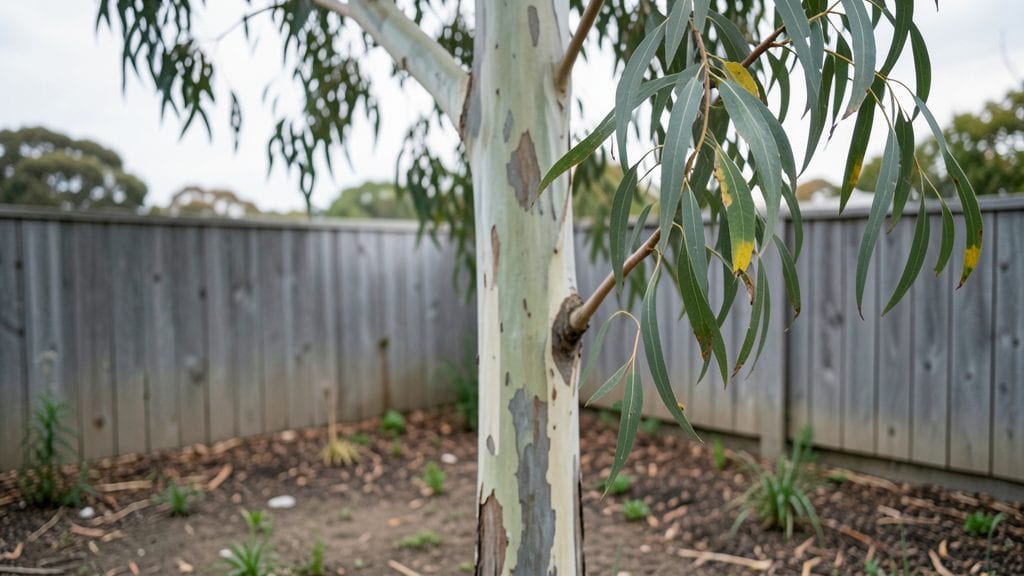
Outdoor eucalyptus plants bring that refreshing, spa-like scent to your yard—if you nail their sunlight and soil needs. 🌿 I planted mine last spring, and now they tower over my patio, their silvery-blue leaves shimmering in the breeze.
The key isn’t just full sun (they’ll burn in too much heat) but the right balance of moisture and drainage.
These trees thrive in zones 8-11, where frost is rare, but even in cooler climates, you can grow them in containers and bring them indoors for winter. Start with well-draining soil mixed with sand or perlite, and space them 10-15 feet apart—they don’t like crowded roots.
Water deeply once a week, but let the top inch dry out between waterings to avoid soggy soil.
By summer, you’ll have a fragrant privacy screen or striking focal point that hums with bees and butterflies. Prune lightly in early spring to shape them, but avoid heavy cuts—they bloom on new growth.
The scent alone makes the effort worth it, but the wildlife they attract? That’s the real bonus.
Even in small yards, dwarf varieties like ‘Risdonii’ work beautifully in large pots. Just remember: these aren’t plants you can neglect. They reward patience with 10-foot-tall fragrance factories that’ll make your neighbors jealous. Let’s get yours growing strong!
📚 In This Guide
- What you need
- Instructions
- Tips and common mistakes
- Wrapping up and next steps
What you need
- ● Eucalyptus plants: Choose between: 1–3 young nursery-grown saplings (e.g., Eucalyptus globulus or Eucalyptus cinerea) for faster growth.
- ● Seeds (if starting from scratch—germination can take 2–4 weeks).
- ● Hardwood cuttings (6–12 inches long, from healthy, disease-free branches).
- ● Well-draining soil: Mix 1 part native soil with 1 part coarse sand or perlite (eucalyptus hates soggy roots!).
- ● Sunny planting site: A location with 6+ hours of direct sunlight daily (partial shade in extreme heat is okay).
- ● Mulch: 2–3 inches of organic mulch (e.g., wood chips or straw) to retain moisture and suppress weeds.
- ● Watering can or hose: With a gentle spray nozzle to avoid disturbing soil.
- ● Garden trowel or shovel (for digging holes 2x wider than the root ball).
- ● Pruning shears (sterilized with rubbing alcohol for cuttings).
- ○ Gloves (optional but helpful for handling prickly branches or soil).
- ○ pH testing kit (optional but useful—eucalyptus prefers slightly acidic to neutral soil (pH 6.0–7.0)).
- ● Fertilizer: A balanced, slow-release fertilizer (e.g., 10-10-10) applied once in spring.
- ● Drip irrigation system (to maintain consistent moisture without overwatering).
- ● Windbreak (e.g., a lattice or fence) if your area is windy (young plants are sensitive!).
- ● Eucalyptus companion plants: Pair with lavender, rosemary, or native grasses for a fragrant, low-maintenance garden.
Instructions for planting and caring for outdoor eucalyptus
Eucalyptus trees bring that signature fresh scent to any yard—here’s how to plant and care for them successfully.
🌱 Step 1: Choose the Right Location and Prepare the Soil
Eucalyptus thrives in full sun—pick a spot that gets at least 6-8 hours of direct sunlight daily. These trees hate soggy roots, so avoid low-lying areas where water pools. I like to test the soil by digging a small hole and checking drainage—if water sits after 30 minutes, amend the soil with 1-2 inches of coarse sand or plant on a slight mound.
Eucalyptus prefers well-draining soil with a slightly acidic to neutral pH (6.0-7.5). If your soil is heavy clay, mix in 3-4 inches of compost to loosen it. The roots need room to breathe, so avoid compacted or waterlogged spots. Once you’ve picked your site, mark the planting area with a stake to keep things organized.
🪴 Step 2: Plant Your Eucalyptus Tree at the Right Depth
Dig a hole twice as wide as the root ball but only as deep—this prevents burying the trunk too deeply, which can rot the base. Gently remove the tree from its container and loosen any circling roots with your fingers. Place the eucalyptus in the hole so the top of the root ball sits level with the surrounding soil—no deeper, no shallower.
Backfill with the native soil, pressing lightly around the edges to remove air pockets. Water deeply to settle the soil and encourage root contact. I like to add a 2-inch layer of mulch (like pine bark) around the base, keeping it 3 inches away from the trunk to prevent moisture buildup. Mulch helps retain soil moisture but never let it pile against the stem.
☀️ Step 3: Water Deeply and Establish a Routine
Eucalyptus trees are drought-tolerant once established, but young plants need consistent moisture for the first 12-18 months. Water deeply once a week during dry spells, soaking the soil to a depth of 12-18 inches. You’ll know you’ve watered enough when the soil feels damp down to your wrist—no puddles, just even moisture.
After the first year, you can cut back to watering every 2-3 weeks, unless your area experiences extreme heat or drought. Overwatering is the biggest mistake—eucalyptus roots rot easily in soggy soil. If the ground feels dry only at the surface but damp below, hold off on watering. These trees store moisture well once mature.
✂️ Step 4: Prune for Shape and Health Annually
Prune your eucalyptus in late winter or early spring before new growth begins. Remove any dead, diseased, or crossing branches first—they’ll compete for energy and look unsightly. I like to shape the tree by trimming back overgrown branches to maintain an open, airy form. Never cut into old wood; eucalyptus doesn’t regrow from mature wood, so focus on younger growth.
Use clean, sharp pruners to make cuts just above a leaf node or branch collar. Avoid heavy pruning—eucalyptus responds best to light, strategic trims. After pruning, give the tree a light drink of water to help it recover. You’ll see fresh, vibrant growth within a few weeks if you’ve pruned at the right time.
🌿 Step 5: Monitor for Pests and Adjust Care as Needed
Eucalyptus trees are generally pest-resistant, but watch for aphids or scale insects on new growth. If you spot sticky residue (honeydew) on leaves, spray the tree with neem oil or a soapy water solution (1 tsp mild soap per quart of water). These pests rarely cause serious damage but can weaken young trees if left unchecked.
Fungal issues like root rot are the real concern—if leaves turn yellow or wilt despite proper watering, your tree may be sitting in too-wet soil. In that case, improve drainage by adding more sand or gravel around the base. Eucalyptus is low-maintenance once established, but keeping an eye on soil moisture and leaf health ensures it stays fragrant and lush for years.
Tips & tricks for perfect outdoor eucalyptus planting and care
Here's what I've learned from years of growing eucalyptus—these simple tips will help your fragrant trees thrive from day one.
Sunlight Secret: The 6-8 hours of direct sunlight mentioned in Step 1 is non-negotiable for eucalyptus. If your yard has partial shade, consider planting near a south-facing wall that reflects sunlight. I've seen eucalyptus planted in spots with only 4-5 hours of sun struggle to develop that signature strong fragrance—it's worth finding the sunniest spot possible.
Drainage Check: That 30-minute drainage test in Step 1 is your best friend. If water still sits after 30 minutes, you're not done yet! Dig deeper or add more sand—eucalyptus roots absolutely despise soggy conditions. I've had to replant trees twice because I skipped this step, and trust me, it's not worth the heartache. The roots should feel dry by the time you plant.
Mulching Strategy: When adding that 2-inch layer of mulch in Step 2, choose organic materials like pine bark or wood chips that will break down slowly. I avoid cedar mulch because it can inhibit growth over time. Keep the mulch 3 inches away from the trunk to prevent rot—this is one of those small details that makes a huge difference in long-term health.
Watering Wisdom: The deep watering routine in Step 3 is crucial, but timing matters too. Water in the early morning so leaves have all day to dry—this prevents fungal issues. I've found that watering at night can lead to more pest problems, even with eucalyptus. And when you water, really soak that 12-18 inch depth—surface watering just encourages shallow roots that struggle when dry spells hit.
Pro Tips for Outdoor Eucalyptus Plants
- Here's what I've learned from years of growing eucalyptus—these simple tips will help your fragrant trees thrive from day one.
- Sunlight Secret: The 6-8 hours of direct sunlight mentioned in Step 1 is non-negotiable for eucalyptus.
- Drainage Check: That 30-minute drainage test in Step 1 is your best friend.
Frequently asked questions
Got questions about growing outdoor eucalyptus plants? You’re not alone! Here are some of the most common concerns—plus straightforward answers to help you cultivate these fragrant beauties with confidence.
Can eucalyptus grow in containers, or do they need to be planted in the ground?
Eucalyptus can thrive in containers, but only if you choose dwarf varieties like Eucalyptus pauciflora or Eucalyptus gunnii. Use a large pot (at least 15–20 gallons) with drainage holes and well-draining soil. Repot every 2–3 years, as their roots grow aggressively. Pro tip: Place containers in full sun and water deeply but infrequently to mimic their natural drought tolerance.
How cold-hardy are outdoor eucalyptus plants, and do they need winter protection?
Most eucalyptus varieties are not frost-tolerant—they thrive in USDA zones 8–11. If you live in colder climates (zones 7 or below), opt for Eucalyptus gunnii (hardy to ~15°F) or grow them in containers and bring them indoors during winter. For in-ground plants, mulch heavily around the base and wrap the trunk with burlap to protect against freezing temps. Warning: Even hardy types may suffer leaf drop in harsh winters.
How often should I water eucalyptus plants, and what happens if I overwater them?
Eucalyptus plants are drought-tolerant once established—water deeply once a week (or less in hot, dry climates) and let the soil dry out between waterings. Overwatering leads to root rot, which is fatal. Signs of too much water: yellowing leaves, wilting, or a foul smell from the soil. Fix it: Improve drainage and reduce watering frequency.
Are eucalyptus plants prone to pests, and how do I keep them healthy?
While generally pest-resistant, eucalyptus can attract aphids, scale insects, or spider mites if stressed (e.g., overwatered or nutrient-deficient). Prevent pests: Prune regularly for airflow, spray leaves with neem oil, or introduce beneficial insects like ladybugs. Quick fix: Wipe leaves with soapy water if you spot early infestations. Healthy plants in full sun rarely have issues!
Can I grow eucalyptus from cuttings, or do I need to buy a mature plant?
Yes! Eucalyptus roots easily from cuttings—just take a 4–6 inch tip, strip the lower leaves, dip in rooting hormone, and plant in moist perlite or sand. Keep the cutting warm and humid (use a plastic bag) until roots form (4–8 weeks). Bonus: This method is cheaper and lets you propagate your favorite varieties!
Wrapping up and next steps
Growing outdoor eucalyptus plants is a rewarding way to bring fragrant beauty and low-maintenance charm to your garden. Whether you’re drawn to their silvery leaves, soothing scent, or wildlife-friendly appeal, these sun-loving plants are perfect for adding texture and elegance to any landscape.
With the right soil, sunlight, and occasional care, you’ll enjoy their lush presence for years—and maybe even harvest their leaves for DIY projects!
Ready to transform your outdoor space? Start small with a single plant or go bold with a fragrant hedge. Grab your gloves, pick your favorite variety, and watch your garden thrive with nature’s own air freshener! 🌿✨