
Watering
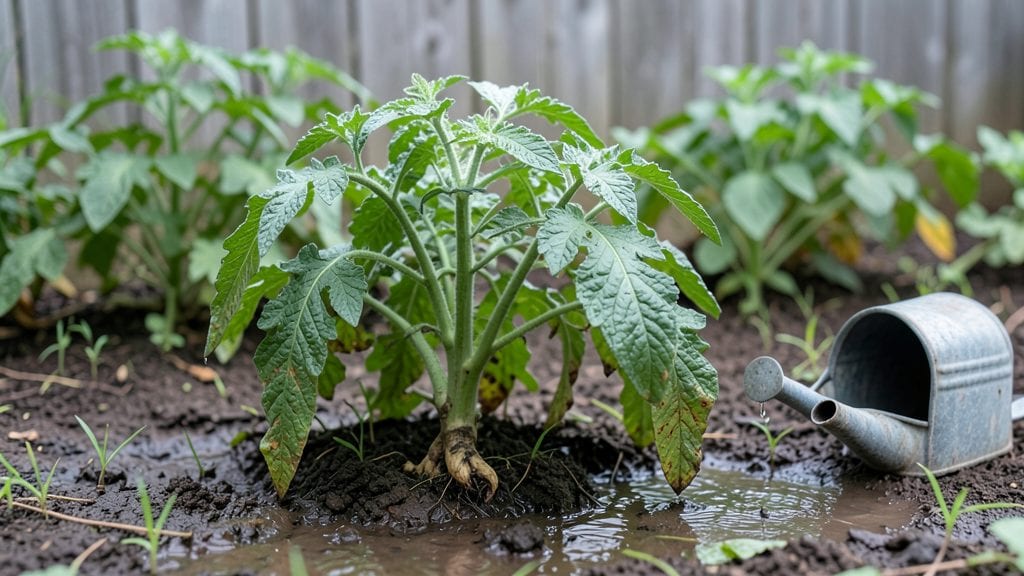
Overwatering plants is the silent killer of more green thumbs than pests or drought ever could. 🌱 I’ve drowned more than a few myself—especially that time my ferns turned from lush to limp in a week—so I know the frustration of seeing wilting leaves when you’ve been "helping" with water.
The good news? Recovery starts with three simple adjustments that work for everything from succulents to ferns, and they don’t require fancy tools or a green thumb.
Most overwatered plants show the same warning signs: yellowing leaves, mushy stems, or soil that smells sour. The root of the problem (literally) is usually poor drainage or inconsistent watering. My go-to fix? Let the top inch of soil dry out between waterings, and always use pots with drainage holes.
For houseplants, I’ve even switched to self-watering containers with moisture sensors—game-changer for forgetful waterers like me. The key is matching your watering routine to the plant’s needs, not your schedule.
Within a week of adjusting your routine, you’ll see new growth pushing through. Ferns bounce back with vibrant fronds, succulents stop looking like sad puddles, and even your most stubborn plants will perk up.
The real payoff? A soil ecosystem that stays healthy year-round, so you’re not repeating the same mistakes next season. Let’s turn those wilting leaves into a lesson for stronger, happier plants.
This works for backyard gardens, container setups, or even that one stubborn houseplant. The principles scale easily—whether you’re dealing with a raised bed or a single pot on your windowsill. Here’s how to diagnose, fix, and prevent overwatering for good, so your green friends stay thriving without the drama.
What Triggers Soggy Roots
Overwatering isn’t just a matter of giving your plants too much love—it’s a complex interplay of environmental factors, soil science, and even plant biology. Understanding why this happens helps you fix the problem before your green friends turn into sad, mushy souvenirs.
Let’s break it down by the most common culprits.
If your pots or garden beds lack proper drainage, excess water has nowhere to go but into the soil—and straight to your plant’s roots. Here’s why this is a disaster:
- Clogged soil pores: Compacted or heavy clay soil traps water like a sponge, suffocating roots by blocking oxygen. Oxygen is critical for cellular respiration; without it, roots drown instead of absorbing nutrients.
- Root rot fungi: Stagnant water creates the perfect breeding ground for Pythium and Phytophthora, fungi that feast on root tissue. These pathogens thrive in moisture levels above 60% for more than 24 hours.
- Salinity buildup: As water evaporates from the surface, dissolved minerals (like sodium or calcium) concentrate in the soil. High salinity disrupts a plant’s ability to absorb water through osmosis, leading to physiological drought—even when the soil is soggy.
💡 Pro Tip: Test your soil’s drainage by filling a pot with water, then timing how long it takes to drain completely. If it’s slower than 10–15 minutes, add perlite, sand, or orchid bark to improve aeration.
Some gardeners follow a rigid schedule—like watering every Tuesday and Thursday—without checking soil moisture. But plants don’t need water on a calendar; they need it based on actual conditions. Here’s how schedules backfire:
- Ignoring weather: A week of rain can leave soil saturated for days. If you water again without checking, you’re essentially double-dosing your plants.
- Seasonal mismatches: In winter, many plants enter dormancy and require far less water. Yet, people often maintain summer watering habits, leading to waterlogged roots.
- Pot size misjudgment: Small containers dry out faster, but their roots have limited space to absorb water efficiently. Overwatering them mimics a flood in a tiny ecosystem.
⏰ Actionable Fix: Use the finger test: Stick your index finger 1–2 inches into the soil. If it’s damp, wait. If it’s dry at that depth, water deeply until it runs out the drainage holes.
Indoor plants face a double whammy: limited airflow and artificial climates that amplify overwatering risks. Here’s the science behind it:
- Humidity spikes: Bathrooms, kitchens, and basements often have humidity levels above 50%. High humidity slows evaporation, keeping soil wet longer. For reference, most houseplants thrive at 40–60% humidity—but the soil can still be too damp.
- Low light + high moisture: Plants in low-light conditions (like a north-facing window) photosynthesize less, reducing their need for water. Yet, they’re often watered on the same schedule as sun-loving plants, leading to waterlogging.
- Poor airflow: Crowded plants or sealed terrariums create microclimates where water evaporates slowly. Without airflow, fungal spores spread like wildfire.
🌡️ Quick Solution: Move indoor plants near a fan (but not directly in the breeze) or use a hygrometer to monitor humidity. Grouping plants together can also improve local airflow.
Not all plants are created equal when it comes to water tolerance. Matching a thirsty tropical plant to a desert-like climate (or vice versa) is a recipe for disaster:
- Tropicals in dry climates: Plants like ferns or calatheas need consistent moisture. In arid conditions, they’ll wilt if you don’t water daily—but if you overcompensate, their roots rot from the lack of drainage.
- Succulents in humid zones: Cacti and echeverias store water in their leaves. In humid environments, they absorb moisture from the air, making them even more sensitive to overwatering.
- Seasonal mismatches: Bulbs like daffodils or tulips store energy underground. Watering them heavily after foliage dies back (a signal to go dormant) can rot their bulbs before they bloom next year.
🎯 Plant Hack: Research your hardiness zone and microclimate (e.g., urban vs. rural, shaded vs. sunny). Native plants are your best bet—they’ve evolved to handle local water patterns.
The container your plant lives in plays a huge role in how quickly (or slowly) water drains. Here’s how pots contribute to the problem:
| Pot Type | Risk of Overwatering | Why It Happens |
|---|---|---|
| Unglazed clay | ⚠️ Moderate (if overwatered initially) | Porous clay wicks moisture away—but if you water too frequently, it can’t keep up, leading to soggy soil. |
| Plastic | ❌ High | Non-porous plastic traps water like a greenhouse. Roots suffocate if drainage isn’t perfect. |
| Terracotta | ⚠️ Low (if used correctly) | Breathable and fast-draining, but only if the plant’s needs match the pot’s size. |
| Self-watering | ❌ Very High | Designed for convenience, these pots keep soil moist—often too moist. They’re great for travel but risky for beginners. |
🔥 Rule of Thumb: For most houseplants, choose pots 1–2 inches larger than the root ball. Larger pots hold more water, increasing the risk of overwatering.
Revive and prevent plant overload
Now that you’ve spotted the signs of overwatered plants—yellowing leaves, mushy stems, or that dreaded foul odor—it’s time to take action. The good news? Most plants can bounce back with the right care.
Below, we’ve mapped out practical fixes for common causes, along with prevention tips to keep your green friends thriving.
Cause: Soggy soil from overwatering or poor drainage. Fix:
- Stop watering immediately—let the soil dry out completely before touching it again.
- Repot if needed 🌱:
- Gently remove the plant from its pot and inspect the roots. If they’re black, mushy, or smell rotten, trim them with sterilized scissors.
- Choose a pot with drainage holes (if it lacks them, drill a few) and use well-draining soil (like a mix of potting soil, perlite, and sand).
- Revive with fresh air 🌬️:
- Place the plant in a bright, indirect light spot (avoid direct sun, which can stress weakened foliage).
- Mist the leaves lightly if they’re crispy, but avoid soggy conditions.
Prevention Tip: 💡 Test your soil before watering—stick your finger 1–2 inches deep. If it’s damp, wait. Invest in a moisture meter for peace of mind!
Cause: Excess moisture creates the perfect breeding ground for fungus (like powdery mildew or root rot) or bacteria. Fix:
- Prune infected areas ⏰:
- Snip off yellow, brown, or slimy leaves below the damage with clean scissors.
- Dispose of infected clippings in the trash (not compost).
- Treat with fungicide 🧴:
- Spray leaves with a natural fungicide (neem oil, hydrogen peroxide 3%, or baking soda solution: 1 tsp baking soda + 1 quart water + a drop of dish soap).
- For root rot, soak roots in a 1:10 water-to-vinegar solution for 10 minutes, then replant in fresh soil.
- Improve airflow 🌬️:
- Space plants apart and avoid overcrowding. Use a small fan on low to circulate air.
Prevention Tip: ✨ Water at the base (not overhead) and water in the morning so foliage dries quickly.
Cause: Overwatering compacts soil, suffocating roots and preventing oxygen flow. Fix:
- Fork it out 🔪:
- Use a wooden or plastic fork to gently loosen the soil around the roots without damaging them.
- Add organic matter (compost or coconut coir) to improve aeration.
- Adjust your watering routine 💧:
- Water deeply but less often—aim for the "drench-and-dry" method (soak until water runs out the bottom, then wait until the top inch is dry).
- Use a self-watering pot with a moisture sensor to avoid guesswork.
Prevention Tip: 🌡️ Upgrade your soil mix—amend heavy clay soil with perlite or vermiculite for better drainage.
Cause: Plastic pots, saucers full of water, or humid environments (like bathrooms) trap moisture. Fix:
- Ditch the saucer 🚫💦:
- Empty saucers after watering or use elevated pots (like a cake stand) to allow excess water to drain away.
- Switch to terracotta 🏺:
- Terracotta pots wick away moisture—great for moisture-loving plants like ferns but risky for succulents.
- Adjust your environment 🌡️:
- Move plants away from humid areas (like showers) or use a dehumidifier if needed.
Prevention Tip: 🎯 Group plants by needs—succulents near windows, tropicals in bathrooms—but never let them sit in standing water.
Need a quick reference? Here’s your 3-step rescue plan:
- Stop watering and assess the damage.
- Repot or adjust soil if roots are compromised.
- Monitor and adjust light, airflow, and watering habits.
With these fixes, your plants should perk up in 1–4 weeks (depending on the severity). And remember: prevention is easier than a cure—always err on the side of underwatering when in doubt! 🌿
Frequently asked questions
How can I tell if my plant is overwatered vs. underwatered?
Check the soil first—stick your finger 1-2 inches deep. If it feels damp or smells sour, it's overwatered. Look for yellow leaves, mushy stems, or wilting despite wet soil. Underwatered plants have crispy brown edges and dry, pulling away from the pot. Pro tip: Weigh your pot—if it feels heavy, it's likely overwatered.
Can I save a plant with root rot caused by overwatering?
Yes, but act fast! Remove the plant, trim away black/mushy roots with sterilized scissors, then repot in fresh, well-draining soil. Let it dry out completely for 3-5 days before watering lightly. For severe cases, soak roots in a 1:10 water-to-vinegar solution for 10 minutes to kill fungus before replanting.
Why do some plants (like ferns) need more frequent watering than others (like succulents)?
It's all about their natural habitats! Ferns thrive in humid, tropical environments where soil stays consistently moist. Succulents evolved in arid climates and store water in their leaves. The key is matching your watering to the plant's needs—not your schedule. Use the "drench-and-dry" method for most plants: soak until water runs out, then wait until the top inch is dry.
What's the best way to fix soggy soil in containers?
Drain excess water immediately, then improve aeration by mixing perlite or sand into your soil (aim for 20% amendment). For compacted soil, use a wooden fork to gently loosen it without damaging roots. Consider switching to terracotta pots—they wick away moisture better than plastic. Always use pots with drainage holes, and empty saucers after watering.
Is it better to underwater than overwater plants?
Generally yes! Most plants can bounce back from underwatering faster than overwatering damage. Overwatering causes irreversible root rot, while underwatering just signals the plant to conserve water. The exception is tropical plants like ferns—they need consistent moisture. For others, always err on the side of dry soil and adjust based on leaf condition.