
Pruning
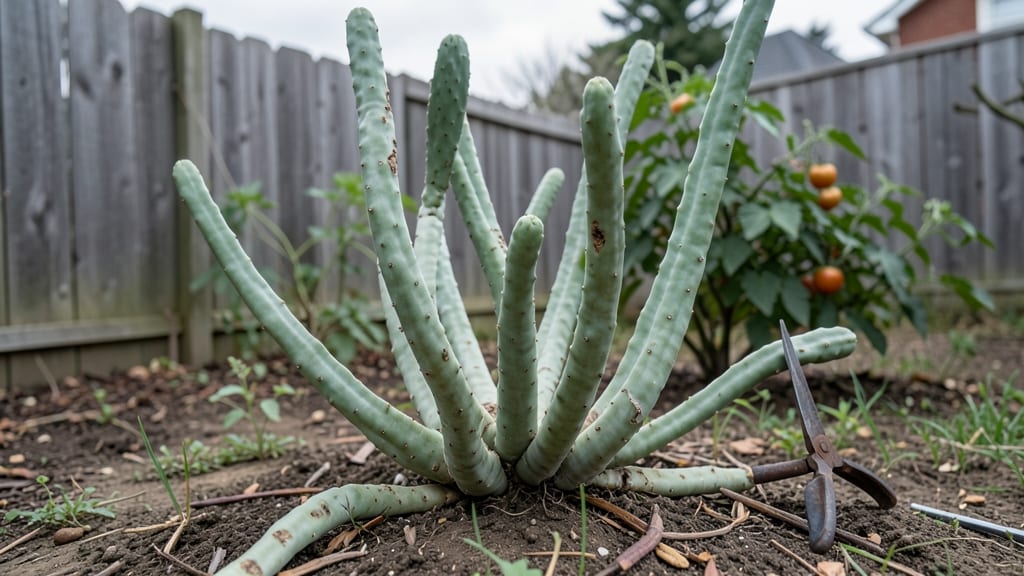
The night-blooming cereus plant pruning you do after flowering directly shapes whether next year’s blooms will dazzle or disappoint. I’ve learned the hard way that timing matters—cut too early, and you sacrifice next season’s flowers; wait too long, and the plant wastes energy on dead wood.
The key is patience and precision, and I’ll walk you through every step to get it right.
You’ll need sharp pruning shears, rubbing alcohol for sterilization, and a clear understanding of your plant’s growth cycle. Most gardeners rush this step, but taking 10 minutes to assess each stem makes all the difference.
Look for stems that have finished blooming and are turning woody—these are ready for removal. For advanced gardeners, saving a few stems for propagation can double your plant’s size in a season.
The result is a healthier, more vigorous plant with stronger new growth and bigger blooms next year. Your cereus will reward you with more flowers, longer stems, and fewer disease risks.
The best part? You’ll recognize the difference within months—not just in the number of blooms, but in their size and fragrance.
This method works for both indoor and outdoor cereus plants, though outdoor varieties may need slightly earlier pruning to account for seasonal changes. Whether you’re a beginner or a seasoned grower, these techniques will keep your night blooming cereus thriving for years to come.
📚 In This Guide
- What you need
- Instructions
- Tips and common mistakes
- Wrapping up and next steps
What you need
- ● Pruning shears or bypass pruners – Choose sharp, sterilized tools (e.g., Felco F-2 or similar) to make clean cuts and prevent disease. (1 pair)
- ● Rubbing alcohol (70% or higher) – For sterilizing tools before and after pruning. (Small bottle)
- ○ Gloves (optional but recommended) – Wear nitrile or leather gloves to protect against thorns and sap. (1 pair)
- ● Horticultural sealing wax or pruning paste – Helps seal cuts to prevent rot (e.g., blank">Dynamat). (Small tube)
- ● Disposable pruning bags or bucket – Collect pruned segments for composting or disposal. (1-2 bags/bucket)
- ● Sharpie or permanent marker – Label cuttings if propagating. (1)
- ● Water spray bottle – Keep tools and cuts moist during pruning. (1)
- ● Know your plant’s growth cycle – Prune after flowering (late spring/early summer) for best results.
- ● Sunny workspace – Ensure good lighting and ventilation to avoid stressing the plant.
- ○ Rooting hormone (optional) – Speeds up propagation if taking cuttings (e.g., blank">Clonex). (Small jar)
- ○ Cactus/succulent soil mix (optional) – For repotting cuttings if propagating. (1 small bag)
- ● Camera or phone – Snap progress shots to track growth! (📸 Bonus: Document your NBC’s transformation!)
Instructions for pruning night blooming cereus plants
Here's the precise method I use to keep my night blooming cereus thriving and flowering reliably.
Identify the Right Time to Prune
Prune your night blooming cereus after the last flower has faded in late spring or early summer. This timing ensures the plant has stored enough energy for next year's blooms. Never prune during dormancy—this plant needs its rest to prepare for flowering season. I always wait until at least 2 weeks after flowering has completely stopped, as any remaining buds may still need energy to develop.
Look for visual cues: the flower stalks will turn brown and dry up completely. If you see any green growth still emerging from the stem, hold off on pruning. The plant is still actively growing and needs those resources. I also check the soil—if it's still warm from spring sun exposure, the plant is likely still storing energy for future growth.
Gather Your Pruning Tools and Prepare the Plant
Use only sterilized pruning shears or a sharp knife to make clean cuts. Disinfect your tools with rubbing alcohol before and after pruning to prevent disease transmission. I also wear gloves to protect my hands from the plant's mild sap, which can irritate skin. Remove the plant from its pot and lay it on a clean surface where you have good light and space to work.
Examine the stem carefully for any signs of rot, damage, or dead segments. These areas should be pruned away immediately, as they can harbor pests or diseases. Healthy segments will have firm, green tissue. If you find any soft or mushy spots, trim those sections out completely, cutting back to the nearest healthy growth. This step is crucial for maintaining plant health and preventing future issues.
Make the Pruning Cuts Correctly
Cut just above a node where leaves or branches emerge. This is where new growth will sprout from. Make the cut at a 45-degree angle to allow water to run off and prevent rot. Never cut too close to a node, as this can damage the growth point. I like to make my cuts about 1/8 inch above the node for the best results.
If you're pruning a particularly long stem, you can make multiple cuts, but always leave at least 3-4 inches of stem to ensure the plant has enough energy reserves. For each cut, wipe the shears with alcohol between segments to maintain sterility. After pruning, let the cut ends dry out for 24 hours before repotting or returning the plant to its container. This drying period helps prevent infection.
Repot and Care for the Pruned Plant
After pruning, repot the plant in fresh, well-draining cactus soil mix. The night blooming cereus thrives in a mix that allows excess water to drain quickly. I use a pot with drainage holes and fill it with the new soil mix, ensuring the plant sits at the same depth as it did before pruning. Gently firm the soil around the base of the plant to secure it.
Place the repotted plant in a location with bright, indirect light for the first 2 weeks after pruning. Avoid direct sunlight initially, as the plant needs time to recover and establish new growth. Water sparingly—only when the soil is completely dry to the touch. Overwatering at this stage can lead to root rot, which is difficult to treat. After the initial recovery period, gradually reintroduce the plant to its usual light conditions.
Monitor and Encourage New Growth
Watch for new growth emerging from the nodes where you made your cuts. This is a sign that the pruning was successful and the plant is healthy. New growth should appear within 4-6 weeks after pruning, depending on the plant's overall health and environmental conditions. If you don't see new growth within this timeframe, check the light levels and watering routine.
During the growing season, feed the plant with a balanced, diluted fertilizer every 4-6 weeks to encourage strong, healthy growth. Avoid over-fertilizing, as this can lead to salt buildup in the soil, which harms the roots. Keep an eye out for pests like mealybugs or scale, which can be attracted to stressed plants. If you notice any signs of infestation, treat the plant immediately with an appropriate insecticide.
Tips & tricks for perfect night blooming cereus pruning
A few simple strategies will help you prune your night blooming cereus like a pro, ensuring healthy growth and spectacular blooms next season.
Timing Secret: The two-week waiting period after flowering in Step 1 is crucial because it allows the plant to fully recharge its energy reserves. I've learned the hard way that pruning too soon can weaken the plant and reduce next year's blooms. If you're unsure whether to prune, check the soil temperature—if it's still warm from spring sun, the plant is likely still storing energy and needs more time.
Cutting Technique: When making your 45-degree cuts in Step 3, imagine you're slicing a slice of pizza—this angle helps water run off and prevents rot. I always test my pruning shears on a scrap piece of wood first to ensure they're sharp enough for clean cuts. Dull shears can crush the stem instead of making a precise cut, which stresses the plant.
Make-Ahead Strategy: You can actually prepare your pruning tools and workspace the night before if you're planning to prune the next day. Sterilize your shears with rubbing alcohol and lay out your gloves, pot, and fresh soil mix. This saves time on the day of pruning and reduces stress on the plant. Just remember to let those cut ends dry out for the full 24 hours before repotting.
Post-Pruning Care: The two-week bright, indirect light requirement in Step 4 is non-negotiable for recovery. I've seen plants struggle when placed back in direct sunlight too soon—they develop sunburned spots that never fully heal. After those two weeks, you can gradually reintroduce direct sunlight by moving the plant closer to a south-facing window over several days.
Pro Tips for Night Blooming Cereus Plant Pruning
- A few simple strategies will help you prune your night blooming cereus like a pro, ensuring healthy growth and spectacular blooms next season.
- Timing Secret: The two-week waiting period after flowering in Step 1 is crucial because it allows the plant to fully recharge its energy reserves.
- Cutting Technique: When making your 45-degree cuts in Step 3, imagine you're slicing a slice of pizza—this angle helps water run off and prevents rot.
Frequently asked questions
Got questions about pruning your night blooming cereus?
You’re not alone! Here are answers to the most common concerns—from timing to troubleshooting—to keep your plant thriving and flowering beautifully.
When is the best time to prune a night blooming cereus?
Prune your night blooming cereus after it finishes flowering in late spring or early summer. This gives the plant time to recover before its next growth cycle. Avoid pruning in winter or during active blooming—it can stress the plant and reduce next year’s flowers!
How much should I cut back my night blooming cereus?
Remove dead or damaged segments first, then trim healthy stems back by about 1/3 to encourage bushier growth. Never cut more than 30% of the plant at once—this can weaken it. Focus on older, woody stems to promote new, vibrant growth.
Can I propagate my night blooming cereus while pruning?
Use the healthy cuttings (3-4 segments long) to propagate. Let them dry for a day or two, then plant in well-draining soil. Keep them in bright, indirect light and avoid watering until roots form (about 2-4 weeks). It’s a great way to expand your collection!
What should I do if my night blooming cereus stops blooming after pruning?
If your plant skips blooming, it might be due to over-pruning or poor light conditions. Ensure it gets 6+ hours of sunlight daily and avoid heavy pruning in the same spot year after year. Also, fertilize lightly in spring to support new growth. Patience helps—some plants need 1-2 years to rebound!
Does night blooming cereus need special care after pruning?
After pruning, reduce watering slightly and avoid fertilizing for 4-6 weeks to let wounds heal. Keep the soil slightly moist but well-draining. If temperatures drop below 50°F (10°C), move it indoors or protect it from frost. Proper aftercare ensures a stronger, more resilient plant!
Wrapping up and next steps
Pruning your night blooming cereus isn’t just about keeping it tidy—it’s your secret to show-stopping blooms and a thriving plant! 🌙✨ By mastering the right timing (post-bloom or early spring) and techniques (sterilized tools, gradual trimming, and patience), you’ll encourage healthier growth and more dramatic flowers.
Remember, consistency is key, and every snip is a step toward a stunning display.
Ready to transform your plant care game? Start by marking your calendar for your next pruning session—your night blooming cereus will thank you with breathtaking results! 🌸💚