
Pruning
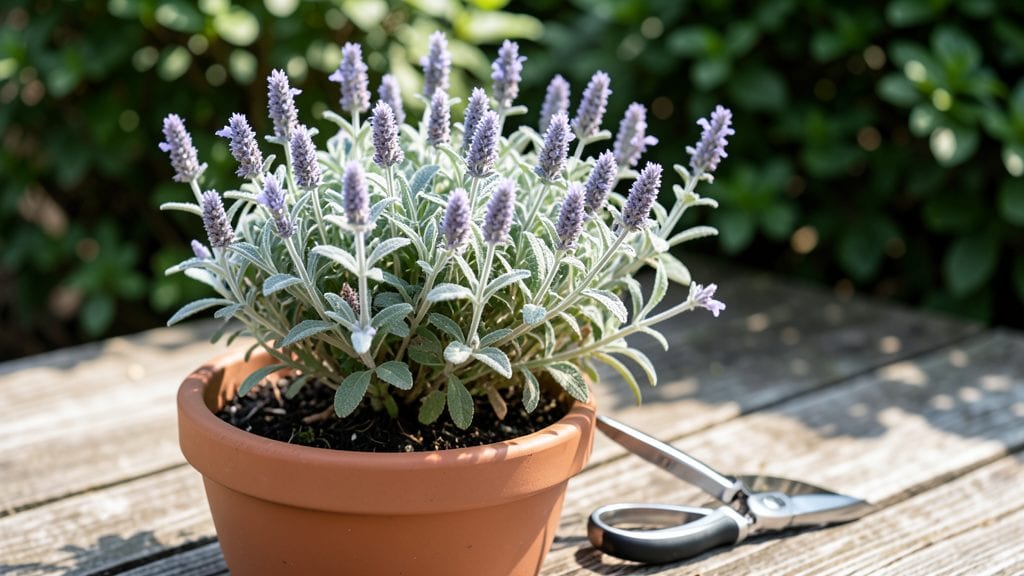
Pruning catmint plants at the right time transforms leggy, sparse growth into a vibrant, bushy plant that blooms all season. I learned this the hard way—my first attempt left the plant looking ragged, but the second time around, it exploded with lavender-blue flowers that lasted until frost.
The key isn’t just when you cut but how you shape the plant to encourage dense foliage and continuous blooms.
You’ll need sharp pruners or shears (clean blades prevent disease) and a sunny morning to work. The best time to prune is late winter or early spring, just as new growth begins, but you can also trim spent flowers throughout the summer to prolong blooming.
Avoid cutting into woody stems—focus on soft, green growth to keep the plant healthy and responsive. Most gardeners skip this step, but it’s what turns catmint from a one-time summer bloom into a long-lasting, low-maintenance star of the garden.
After pruning, your catmint will reward you with compact, fuller growth and an extended flowering season. The secret is cutting back about one-third of the plant’s height in early spring, then lightly trimming throughout summer to remove faded blooms.
This encourages the plant to focus energy on new flowers rather than seed production. Within weeks, you’ll see fresh, velvety foliage and a cloud of fragrant blooms that attract pollinators.
Common mistakes include over-pruning in fall (which can damage cold-sensitive varieties) or using dull tools that tear stems. If you’re in a warmer climate, you can prune lightly in fall to shape the plant, but most gardeners wait until spring to avoid stressing the plant before winter.
With the right timing and technique, your catmint will thrive for years with minimal effort—just like mine does now.
📚 In This Guide
- What you need
- Instructions
- Tips and common mistakes
- Wrapping up and next steps
What you need
- ● Sharp bypass pruners – 1 pair (for clean cuts on stems up to ½ inch thick). Sterilize with rubbing alcohol before use!
- ● Hand pruners or shears – 1 pair (for smaller stems or delicate trimming). Opt for ergonomic handles if pruning for long periods.
- ● Gloves – 1 pair (nitrile or leather to protect against catmint’s mild irritants and thorns).
- ● Disinfectant (rubbing alcohol or hydrogen peroxide) – small bottle (to prevent disease spread between cuts).
- ○ Garden twine or plant ties – small roll (optional but helpful for supporting heavy growth post-pruning).
- ● Garden waste bag or bucket – 1 (for clippings—catmint can be composted or discarded).
- ● Watering can or hose – 1 (to hydrate the plant before/after pruning).
- ● Long-handled loppers – If your catmint is tall or thick, these make hard-to-reach cuts easier.
- ● Pruning saw – For very thick stems (rare in catmint, but useful for established plants).
- ● Plant food or fertilizer – A balanced 10-10-10 or slow-release granular to give your catmint a post-pruning boost.
- ● Notebook & pen – To jot down pruning notes (e.g., "pruned on June 15—expect blooms by July!").
- ● Knee pads or stool – For comfort if your catmint is ground-level or you’re working for a while.
Step-by-Step instructions for pruning catmint plants
Here’s how to keep your catmint lush and full—no guesswork, just proven techniques.
Identify the Best Time to Prune
Prune catmint twice a year for the best results. The first cut comes in early spring, right after the last frost when new growth begins. You’ll know it’s time when fresh green shoots emerge from the base—this signals the plant is waking up from dormancy. The second pruning happens in mid-summer, after the plant has finished flowering. Look for spent blooms turning brown or wilting; this is your cue to tidy up before new growth starts again.
Never prune in fall or winter. Cutting back too late in the season removes the plant’s energy reserves just as it needs them to survive cold weather. If you miss the spring pruning, don’t panic—just focus on the summer cut to keep the plant healthy for next year.
Gather Your Tools and Prepare the Plant
Use only clean, sharp pruning shears—dull blades crush stems and invite disease. Sterilize your tools with rubbing alcohol before and after pruning to prevent spreading any hidden pathogens. Wear gloves if your catmint has thorny stems; the sharp edges can scratch easily.
Examine the plant before you start. Remove any dead, yellowed, or diseased stems first—they’ll stand out as brown or blackened compared to the healthy green. These stems won’t regrow, so prune them back to the base. This step keeps the plant’s energy focused on new growth rather than struggling to support damaged parts.
Prune for Shape and Bushiness
Cut back one-third of the plant’s height during spring pruning. Make your cuts just above a set of healthy leaves or buds, using a 45-degree angle to encourage water to run off the stem. Avoid leaving stubs—this prevents rot and promotes cleaner regrowth. For summer pruning, trim back only the spent flower stalks, cutting them back to where new side shoots are forming.
Step back and assess the shape as you go. Catmint naturally grows in a rounded bush, so aim to maintain that form. If the plant looks lopsided, focus on trimming back the thicker, leggier stems first. This encourages the plant to fill out evenly. Avoid over-pruning—never remove more than one-third of the plant at once, or you’ll stress it unnecessarily.
Encourage New Growth and Maintain Health
After pruning, water the plant deeply to help it recover. The roots need moisture to support the new growth you’ve just encouraged. Avoid fertilizing right after pruning—wait until you see fresh new shoots emerging, usually within 2-3 weeks. At that point, apply a balanced, slow-release fertilizer to support the plant’s recovery and future blooms.
Watch for signs of stress in the days after pruning. If leaves yellow or wilt, the plant may need more water or shade. Move it to a slightly shadier spot for a few days if the weather is hot. Most catmint plants bounce back quickly, though—you’ll see fresh green growth within 10-14 days if everything is done correctly.
Plan for Long-Term Care
To keep your catmint thriving, prune it consistently every year. Over time, you’ll notice the plant becomes denser and more resilient. In late fall, after the first frost, cut back the stems to about 2-3 inches above the ground. This helps protect the plant from harsh winter winds and makes it easier to clean up debris in spring.
Divide mature catmint plants every 3-4 years to prevent overcrowding. Dig up the plant in early spring, separate the roots into smaller sections, and replant them. This rejuvenates the plant and gives you more catmint to share or enjoy in different spots. Just be sure to water them well after transplanting to help them establish.
Tips & tricks for pruning catmint plants
These simple yet powerful techniques will help you transform your catmint from sparse to lush and vibrant with minimal effort.
Timing is Everything: In Step 1, I can't stress enough how critical those two pruning windows are. Early spring is your chance to shape the plant for the growing season ahead, while mid-summer pruning removes spent blooms that would otherwise sap energy. I've seen catmint plants that were pruned at the wrong time become leggy and sparse within just one season. The key is watching for those fresh green shoots in spring and browned blooms in summer—those are your natural cues, not just following a calendar.
Tool Technique: When you're ready for Step 2, don't underestimate the importance of those clean cuts. Use your pruning shears to make precise cuts just above leaf nodes at a 45-degree angle. This isn't just about aesthetics—those angled cuts help water run off properly, preventing rot that can set in after pruning. I learned this the hard way when my first catmint plants developed brown spots at the base after winter pruning. Sterilizing your tools between cuts is equally important, especially if you have multiple plants—it prevents spreading any hidden pathogens from one plant to another.
Shape Matters: During Step 3, when you're cutting back one-third of the plant's height, think of your catmint as a rounded bush. The goal is to maintain that natural shape while encouraging density. If you notice one side looking thinner, focus your cuts on the thicker stems there. This creates balance and prevents the plant from growing lopsided. I've found that stepping back every few cuts helps me visualize the shape better—it's amazing how much difference just a few inches can make in the overall appearance.
Recovery Strategy: After you've finished pruning in Step 4, the real work begins. That deep watering isn't just about hydration—it's about helping the plant recover from the stress of pruning. I've noticed that plants watered immediately after pruning show new growth within 10-14 days, while those left to fend for themselves often take longer to bounce back. The 2-3 week wait before fertilizing is crucial too—it gives the plant time to establish new roots before you add nutrients. This patience pays off in stronger, more resilient plants that bloom more abundantly the following year.
Pro Tips for Catmint Plant Pruning
- These simple yet powerful techniques will help you transform your catmint from sparse to lush and vibrant with minimal effort.
- Timing is Everything: In Step 1, I can't stress enough how critical those two pruning windows are.
- Tool Technique: When you're ready for Step 2, don't underestimate the importance of those clean cuts.
Frequently asked questions
Got questions about keeping your catmint thriving with the perfect prune? You’re not alone—here are some of the most common ones!
When is the best time to prune catmint for bushier growth?
Prune catmint twice a year: once in early spring (before new growth starts) to shape the plant and again in late summer (after flowering) to encourage a second flush of blooms. Avoid heavy pruning in fall—it can stress the plant before winter.
How much should I cut back catmint during pruning?
For spring pruning, trim back about 1/3 of the plant’s height to encourage dense, bushy growth. In late summer, cut back 1/2 to 2/3 of the flower stems to promote a fresh round of blooms. Never remove more than 30% of the plant’s total foliage at once.
Will pruning catmint reduce its flowers or attract fewer pollinators?
No—pruning actually boosts flowers! Regular trimming removes spent blooms, redirecting energy to new growth and more abundant flowering. Catmint is a pollinator magnet, so deadheading (cutting back faded flowers) keeps bees and butterflies visiting all season long.
Should I prune catmint in winter or early spring?
Wait until early spring (just as new shoots emerge) to prune. Winter pruning can leave the plant vulnerable to cold damage. If your catmint looks woody or overgrown in late winter, a light trim (just to tidy up) is fine, but avoid heavy cuts until warmer weather arrives.
What if my catmint doesn’t bloom after pruning?
Check these fixes:
- Light levels: Catmint needs full sun (6+ hours/day)—move it if shaded.
- Soil: Ensure well-draining soil (amend with compost if heavy).
- Watering: Overwatering stresses plants—let soil dry between waterings.
- Fertilizer: A light spring feeding with balanced fertilizer (10-10-10) can help.
Wrapping up and next steps
Pruning your catmint plant doesn’t have to be intimidating—it’s all about timing, technique, and a little patience! 🌿 With the right cuts, you’ll encourage lush, bushy growth and keep those fragrant blooms coming all season long.
Now that you’re armed with the best practices, grab those pruners and get pruning!
Ready to take your catmint game to the next level? Try experimenting with deadheading or shaping techniques to see what works best for your plant. Happy gardening! 🌸