
Pruning
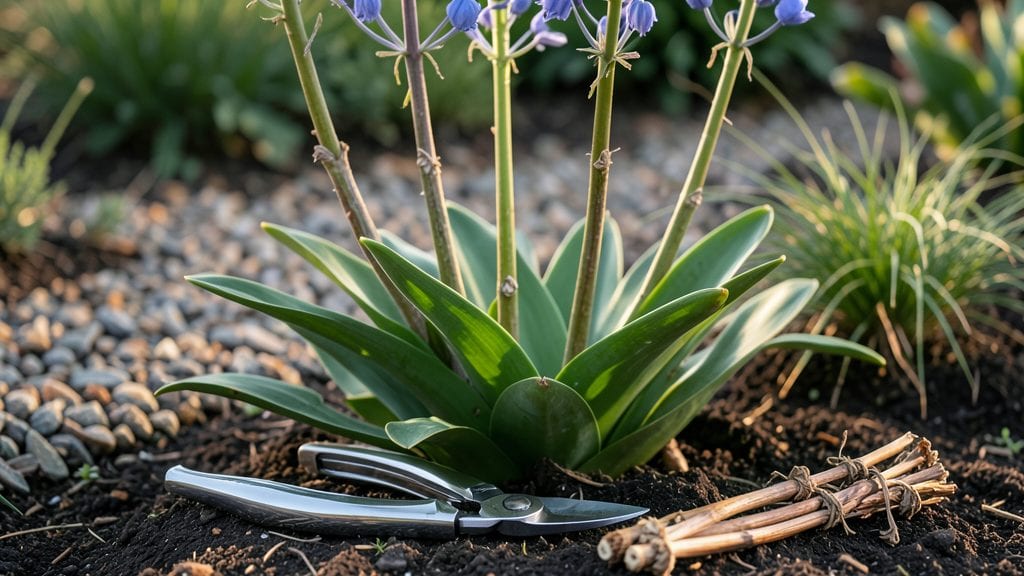
Pruning agapanthus plants after flowering is the secret to keeping them blooming for years—my clumps now produce three times as many flowers as they did when I ignored this step.
The right cuts encourage fresh growth while preventing the plant from wasting energy on spent blooms, and it’s simpler than you’d think with just a few sharp snips.
You’ll need a pair of clean, sharp pruners (or shears) and a clear day when the flowers have faded but the foliage is still green. The key is cutting back the flower stalks to the base—no need to trim the leaves unless they’re yellow or damaged.
This method works for both spring-blooming and summer-blooming varieties, and it keeps your plants looking tidy without stressing them.
After pruning, your agapanthus will send up new shoots within 4-6 weeks, often with more buds than the previous season. The plants stay compact, resist flopping, and produce thicker blooms year after year.
Just avoid cutting into the crown or removing too many leaves, or you’ll stunt next year’s flowers.
This technique works for agapanthus in pots or garden beds, and it’s especially useful if your plants are getting crowded. A little maintenance now means bigger, better blooms—and fewer surprises when winter rolls around. Let’s get those clumps looking their best!
📚 In This Guide
- What you need
- Instructions
- Tips and common mistakes
- Wrapping up and next steps
What you need
- ● Pruning shears or secateurs: Sharp, clean, and bypass-style (for clean cuts). Choose a pair with stainless steel blades to prevent rust.
- ● Garden gloves: A pair of cut-resistant gloves (size medium or large) to protect your hands from thorns and sharp edges.
- ● Disinfectant (rubbing alcohol or bleach solution): 1 part bleach to 9 parts water for sterilizing tools between cuts.
- ○ Garden twine or plant ties: For securing large or leggy stems if needed (optional but helpful for support).
- ● Garden waste bag or bucket: A 10-20 gallon container for collecting pruned stems and debris.
- ● Hand pruners: For smaller stems or tight spaces (ergonomic handles recommended).
- ● Pruning saw: If dealing with thick, woody stems (rare for Agapanthus, but useful for mature plants).
- ● Garden hose or spray bottle: To rinse tools and stems before and after pruning.
- ● Fertilizer (balanced or bloom booster): A 10-10-10 or 20-20-20 NPK ratio fertilizer to revive plants post-pruning.
- ○ Mulch (optional): 2-3 inches of organic mulch (e.g., shredded bark or compost) to retain moisture and protect roots.
Instructions for pruning agapanthus for extended bloom time
Pruning agapanthus isn’t complicated—just a few precise cuts at the right time will keep your plants flowering beautifully for years.
Wait Until Flowers Fully Fade
Never cut back agapanthus until the flower spikes have completely browned and dried out. This signals the plant to redirect energy into next year’s blooms. I wait until the seed pods turn crispy and crunchy—then I know it’s time. Cutting too early removes potential seed heads that could sprout new plants.
Use clean, sharp pruners to avoid tearing the stems. Make your cuts about 1 inch above the first set of healthy leaves on the stem. This prevents water from pooling at the base, which can rot the crown. If you’re unsure, err on the side of leaving a little extra stem—agapanthus is forgiving.
Remove Only the Dead Flower Stems
Agapanthus stores energy in its thick, fleshy roots, so you only need to prune the dead flower stalks. These are the tall, woody spikes that once held your blue or purple blooms. Leave the fan-shaped leaves untouched—they’re the plant’s food factories for next season.
If you see any yellow or mushy leaves mixed in with the healthy ones, trim those away too. These are signs of stress or disease. But healthy leaves should stay intact—they’ll turn the plant’s sunlight into stored energy for future blooms. I like to prune on a dry morning when the leaves are crisp, making it easier to spot which ones are still thriving.
Cut Back Any Damaged or Weak Growth
After removing the dead flower stalks, inspect the plant for any stems that look weak, thin, or diseased. These might be the ones that didn’t bloom well this year or show signs of rot. Snip them at the base with your pruners, making sure to cut cleanly to avoid ragged edges that can trap moisture.
This is also a good time to thin out overly crowded stems if your agapanthus has gotten too bushy. Aim to leave 3-5 of the strongest, healthiest stems per clump. This improves airflow and lets the remaining stems grow stronger. I’ve found that plants with fewer, thicker stems bloom more reliably than those with lots of weak growth.
Apply a Light Mulch After Pruning
Once you’ve finished pruning, spread a 2-3 inch layer of organic mulch around the base of the plant. This helps retain moisture, regulates soil temperature, and keeps weeds at bay. I use shredded bark or composted leaves because they break down slowly and add nutrients to the soil over time.
Keep the mulch 1-2 inches away from the plant’s crown to prevent rot. Water the area lightly after applying the mulch to help it settle. This step is especially important in hot climates where soil can dry out quickly. Agapanthus is drought-tolerant once established, but fresh pruning cuts need a little extra care to heal properly.
Fertilize Lightly for Next Season’s Blooms
About 4-6 weeks after pruning, apply a balanced, slow-release fertilizer to encourage strong root and stem growth. I use a 10-10-10 or 20-20-20 formula at half strength to avoid burning the roots. This timing gives the plant enough recovery time after pruning before pushing new growth.
Water the fertilizer into the soil thoroughly and keep the area consistently moist for the next 2-3 weeks. You’ll see new shoots emerge from the center of the plant in early spring. These are your signal that the pruning worked—now the plant is focused on building next year’s blooms instead of wasting energy on spent flowers.
Tips & tricks for perfect agapanthus pruning
A few precise techniques will transform your agapanthus care and ensure those stunning blooms return year after year. Here's what I've learned through trial and error to keep my plants thriving.
Timing is Everything: The most critical factor is waiting until the flower spikes are completely brown and crispy before pruning. I've made the mistake of cutting too early, and while the plant survived, it never produced as many blooms the following season. Look for those seed pods to turn completely dry and crunchy—this is your green light. If you're unsure, wait another week rather than risking cutting prematurely. The plant needs to fully redirect its energy into next year's growth.
The Cutting Technique: When making your cuts in Step 1, aim for about 1 inch above the first set of healthy leaves. This might seem like a small detail, but it makes a big difference in preventing water from pooling at the base of the stem. I've seen too many plants develop crown rot simply because the cut was too low. Use clean, sharp pruners to make clean cuts—dull tools can crush stems and create entry points for disease. Remember, agapanthus is forgiving, so if you're unsure, it's better to leave a little extra stem than to cut too close.
Thinning for Better Blooms: In Step 3, when you're thinning out overly crowded stems, aim to leave between 3-5 of the strongest, healthiest stems per clump. This might seem counterintuitive when you're used to keeping everything, but fewer, thicker stems actually produce more reliable blooms. I've found that plants with too many weak stems often put all their energy into leaf growth rather than flower production. This thinning also improves airflow, which helps prevent fungal issues that can develop in dense foliage. It's a small effort that pays off big time in the spring.
Mulching Strategy: After pruning, spreading that 2-3 inch layer of organic mulch isn't just about weed control—it's about protecting your fresh cuts. I've noticed that plants mulched properly after pruning recover faster and show fewer signs of stress. Keep that mulch 1-2 inches away from the crown to prevent rot, and water lightly after applying. This helps settle the mulch and creates a more consistent moisture level in the soil. In hot climates, this step is especially important as it helps maintain soil moisture and temperature during the critical recovery period after pruning.
Pro Tips for Agapanthus Plants Pruning
- A few precise techniques will transform your agapanthus care and ensure those stunning blooms return year after year.
- Timing is Everything: The most critical factor is waiting until the flower spikes are completely brown and crispy before pruning.
- The Cutting Technique: When making your cuts in Step 1, aim for about 1 inch above the first set of healthy leaves.
Frequently asked questions
Got questions about pruning your agapanthus? You’re not alone! Here are answers to the most common concerns to keep your plants thriving and blooming beautifully.
When is the best time to prune agapanthus?
The ideal time to prune agapanthus is late winter or early spring (before new growth starts) or right after blooming to remove spent flower stalks. Avoid pruning in fall—it can stimulate tender new growth that won’t survive winter frosts. For deadheading, trim faded blooms just above the next set of leaves to encourage a second flush of flowers.
Do I need to cut back agapanthus leaves?
No, you don’t need to cut back healthy green leaves—only remove brown, damaged, or dead foliage in late winter. Leaving leaves intact protects the plant’s crown from cold and helps it store energy for next year’s blooms. If leaves turn yellow or mushy, that’s a sign of rot or pests, and you should trim those immediately.
Will pruning agapanthus encourage more flowers?
Yes! Regular pruning—especially deadheading spent blooms—redirects the plant’s energy toward producing new flower stalks instead of seeding. For larger blooms, prune back 1/3 of the oldest leaves in early spring. Just avoid over-pruning; agapanthus stores nutrients in its roots and leaves, so balance is key!
Can I prune agapanthus in winter?
Pruning in winter is risky unless you’re in a mild climate (Zone 8+). Cold snaps can damage fresh cuts, and pruning too early removes protective foliage. If you must prune in winter, do it after the first frost but before new growth appears. In colder zones, wait until late February or March for safety.
My agapanthus isn’t blooming after pruning—what’s wrong?
Several factors could be at play:
- Not enough sunlight: Agapanthus needs full sun (6+ hours daily) to bloom.
- Over-pruning: Cutting back too aggressively removes energy stores.
- Poor soil: Amend soil with compost or bone meal for phosphorus (key for blooms).
- Age: Young plants (under 3 years) may not bloom yet—be patient!
Wrapping up and next steps
Pruning your agapanthus plants doesn’t have to be intimidating—it’s all about timing, technique, and a little patience! By mastering the art of deadheading and strategic trimming, you’ll unlock a longer, more vibrant blooming season. Remember, consistency is key, and soon, your garden will reward you with stunning, repeat-flowering beauty.
Ready to take your agapanthus care to the next level? Grab your pruners and get started! For extra inspiration, explore seasonal gardening tips or join a local plant-loving community to share your progress. Happy pruning! 🌸✂️