
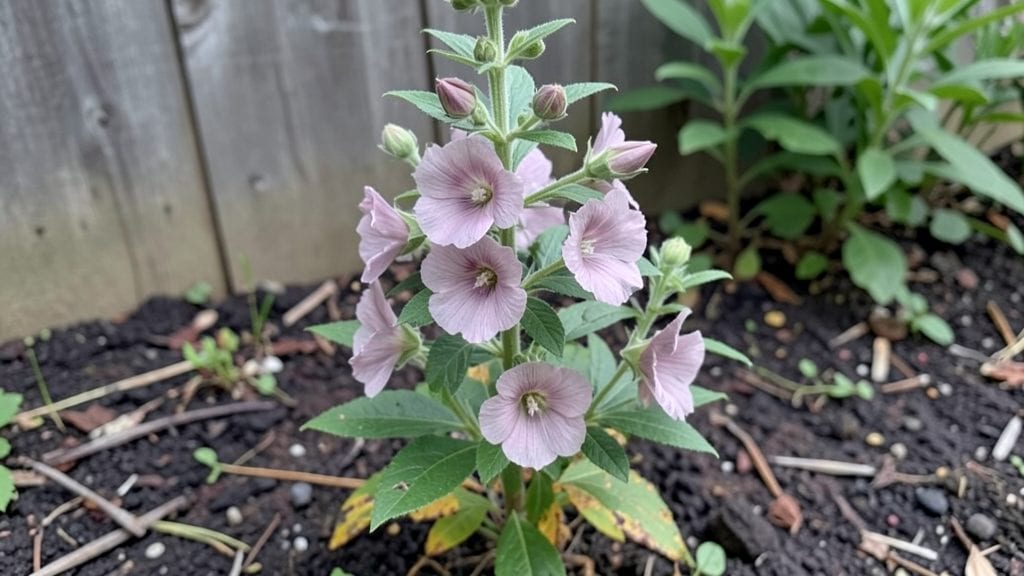
Miniature Hollyhock Plants: Dwarf Varieties for Small Gardens That Bloom All Summer

Companion Plants

Miniature Hollyhock Plants: Dwarf Varieties for Small Gardens That Bloom All Summer

Growing miniature hollyhock plants 🌸 lets you enjoy cottage-garden romance without sacrificing space—these compact beauties thrive in containers, borders, or even window boxes.

If you love the classic charm of hollyhocks but lack the space for towering varieties, miniature hollyhocks are your perfect solution—delicate blooms packed with summer-long color in forms that stay under 3 feet tall.

From March to April in USDA Zone 6a, these easy-care perennials reward you with vibrant blooms from June through August, making them a low-maintenance star for small gardens or urban balconies.

Below, I’ll walk you through everything you need to know—from soil prep to pruning tips—to keep your dwarf hollyhocks thriving and flowering all season long.

10 Best miniature hollyhock varieties for small gardens

If you dream of hollyhocks but have limited space, miniature hollyhock varieties are your ideal solution. These compact plants deliver vibrant blooms and summer-long color without reaching towering heights.

Whether you're planting in containers, window boxes, or tight garden borders, these dwarf varieties fit perfectly while offering the same classic charm. Let's explore 10 top picks that thrive in small spaces.

One of my favorite miniature hollyhock varieties is 'Miniature Peach Blossom,' which reaches just 18-24 inches tall while bursting with soft peach-colored blooms. Another standout is 'Black Prince,' a striking dark purple-black variety that adds drama to any small garden.

These varieties are perfect for urban gardens, balconies, and patio containers where space is limited.

Here's a comparison of 10 exceptional miniature hollyhock varieties, including their height, bloom color, and unique features that make them ideal for small spaces:

td style="padding: 10px; border-bottom: 1px solid #ddd;">20-24"
Variety Height Bloom Color Unique Features Best For
Miniature Peach Blossom 18-24" Soft peach Fragrant blooms, great for containers Patio pots, window boxes
Black Prince 20-24" Deep purple-black Dramatic contrast, attracts pollinators Border edges, dark-themed gardens
Chater's Double 18-24" Cream with maroon centers Double blooms, long-lasting Cut flower arrangements, cottage gardens
Lady in Black Velvety black Heat-tolerant, striking foliage Hot climates, modern gardens
Peach Blossom 18-24" Peach Fragrant, early bloomer Spring containers, fragrant gardens
Alba 20-24" Pure white Classic elegance, long stems Wedding bouquets, formal gardens
Pink Beauty 18-22" Soft pink Disease-resistant, prolific blooms Low-maintenance gardens, borders
Dwarf Ruby 16-20" Deep red Compact growth, vibrant color Small spaces, hanging baskets

How to grow miniature hollyhocks: planting and care tips

Miniature hollyhocks bring the same romantic appeal as their taller cousins but in a space-saving package. These dwarf varieties thrive in containers, borders, and small gardens while delivering summer-long blooms in vibrant colors.

The key to their success lies in proper planting techniques and consistent care—let’s dive into the essentials to keep your miniature hollyhocks flourishing.

Unlike their towering relatives, miniature hollyhocks grow just 1-2 feet tall, making them ideal for urban gardens, patios, or even window boxes. They love full sun exposure and well-draining soil, but their compact size means they’re less prone to the wind damage that can plague taller varieties.

With the right conditions, you’ll enjoy continuous blooms from early summer until frost.

🌱 Pro Tip for Miniature Hollyhocks:

Start with well-amended soil—mix in compost or aged manure to ensure nutrient-rich growth. These plants thrive in loamy, slightly alkaline soil (pH 6.5-7.5). If planting in containers, use a fast-draining potting mix with perlite to prevent root rot.

Begin by selecting a sunny spot with at least 6 hours of direct sunlight daily. Miniature hollyhocks perform best in USDA Zones 4-8, so if you’re in a cooler climate, opt for hardier varieties like 'Black Prince.'

Plant seeds or transplants 2-3 weeks after the last frost, spacing them 12-18 inches apart to allow airflow and reduce disease risk.

Watering is crucial—these plants need consistent moisture but hate soggy roots. Aim for 1 inch of water per week, watering deeply in the morning to reduce evaporation. During hot summer months, increase frequency to every 2-3 days, but always check soil moisture before watering.

Mulch around the base with 2-3 inches of organic mulch to retain moisture and suppress weeds.

Fertilize lightly in early spring with a balanced 5-10-10 fertilizer to encourage lush foliage. Avoid heavy feeding, as it can lead to leafy growth over blooms. Instead, focus on monthly applications of compost tea during the growing season.

Deadhead spent blooms regularly to encourage continuous flowering and prevent self-seeding if you prefer controlled growth.

As summer winds down, reduce watering and stop fertilizing by late August to prepare plants for dormancy. In fall or early winter, cut back dead foliage to 1-2 inches above the ground to promote new growth in spring.

With proper care, your miniature hollyhocks will reward you with years of vibrant blooms in even the smallest garden spaces.

🌸

★★★★★4.9(10 reviews)
Categories Companion Plants