
Companion Plants
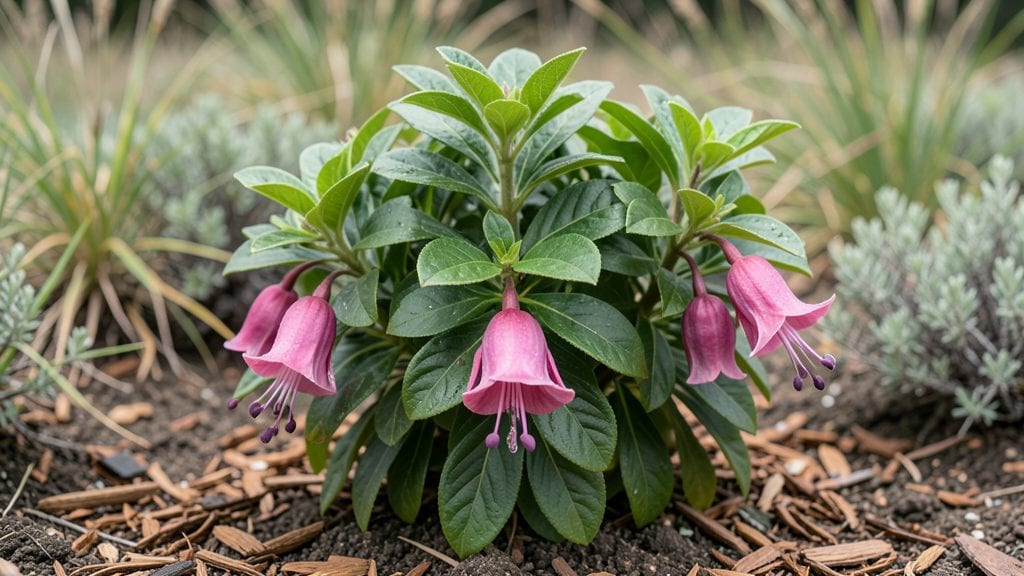
Tiny fuchsias bursting with color even in winter—this is the secret to keeping small fuchsia plants thriving year-round. 🌿 I’ve grown these compact beauties for years, and the key isn’t just regular water or bright light—it’s the pruning schedule that turns floppy stems into a bushy, blooming machine.
Most gardeners overlook how aggressive (but strategic) pruning keeps them small and packed with flowers.
The magic happens in three simple steps: pinching back leggy growth in early spring, trimming after blooms fade, and giving them a light haircut in late summer. You’ll need sharp scissors, well-draining potting mix, and a sunny windowsill or protected patio spot.
These plants reward patience—once you master the timing, you’ll have nonstop blooms from late spring through frost.
What you end up with is a lush, compact plant that stays under 12 inches tall while producing more flowers than you can count. The blooms come in every color imaginable, and the scent?
Lightly sweet, like a summer evening. Prune right, and you’ll avoid the common mistake of letting them get too leggy—those are the plants that stop blooming.
Works for both indoor growers and outdoor gardeners in mild climates. The same techniques apply whether you’re growing them in pots on a balcony or tucked into a shady garden bed. Let’s get those shears ready!
📚 In This Guide
- What you need
- Instructions
- Tips and common mistakes
- Wrapping up and next steps
What you need
- ● Small fuchsia plants: 3–6 healthy cuttings or nursery-grown plants (choose trailing or compact varieties for small spaces).
- ● Well-draining potting mix: 1–2 gallons of a blend designed for acid-loving plants (e.g., 50% peat moss, 30% perlite, 20% compost).
- ● Containers: 6–8 inch pots with drainage holes (terracotta or plastic) or hanging baskets (for trailing types).
- ● Pruning shears: Sharp, sterilized shears (or small scissors) for trimming.
- ○ Rooting hormone (optional but helpful): A small tube or powder to encourage root growth in cuttings.
- ● Watering can or spray bottle: With a fine rose attachment for gentle hydration.
- ● Fertilizer: Balanced liquid fertilizer (10-10-10 or 20-20-20) diluted to half-strength.
- ○ Mulch (optional): Sphagnum moss or bark chips to retain moisture.
- ● Grow lights or a sunny windowsill (south-facing) for indoor fuchsias.
- ● Copper or zinc soil amendments (fuchsias thrive in slightly acidic soil, pH 5.5–6.5).
- ● Decorative stakes or trellises for support (if growing upright varieties).
- ● Humidity tray or pebble tray to mimic tropical conditions.
- ● Pruning gloves to protect hands from thorns (some varieties have mild spines!).
Instructions for pruning small fuchsia plants
Here's how I keep my fuchsias compact, blooming, and thriving all year—no green thumb required.
🌿 Step 1: Identify and Remove Dead or Damaged Growth
Start by examining each stem carefully. Look for brown, brittle branches or leaves that feel crispy to the touch—these won’t recover. Use clean, sharp pruning shears to cut just above a healthy leaf node where new growth can emerge. I always disinfect my shears with rubbing alcohol between cuts to prevent disease spread.
This step is about cleanup, not shaping. Remove anything that looks sickly or past its prime. Healthy stems should be firm with a slight green hue, not woody or hollow. If you’re unsure, give it a gentle tug—if it pulls away easily, it’s dead and ready for the compost bin.
✂️ Step 2: Pinch Back Leggy or Overgrown Stems
Fuchsias grow fast, and those long, bare stems with just a few leaves at the top are called "leggy." To encourage bushier growth, pinch back these stems to just above a set of leaves where three or more buds are visible. Use your fingers or shears—no need to overthink it.
This trick works because fuchsias branch naturally at leaf nodes. By cutting back leggy growth, you’re telling the plant to focus energy on developing side shoots instead of stretching upward. Do this in early spring and again after the first flush of blooms to maintain shape.
🌱 Step 3: Shape the Plant for Balanced Growth
Now it’s time to sculpt your fuchsia into a full, rounded shape. Step back and look at the plant from all sides—aim for symmetry. Cut back any stems that are growing inward or crossing others to improve airflow and sunlight penetration. Focus on creating an open center rather than a dense, crowded bush.
For a more compact look, you can also trim the longest stems by about a third. This encourages the plant to branch out and fill in. Fuchsias respond well to pruning, so don’t be afraid to make bold cuts. The goal is to keep the plant’s energy focused on producing more blooms and lush foliage.
☀️ Step 4: Encourage New Growth with Light and Fertilizer
After pruning, move your fuchsia to a spot with bright, indirect light—think morning sun or filtered afternoon light. Avoid harsh midday sun, which can scorch new growth. Within a week or two, you should see fresh, vibrant leaves emerging from the nodes where you made cuts.
Give your fuchsia a light feeding with a balanced, water-soluble fertilizer (like 10-10-10) diluted to half strength. This boosts growth and helps the plant recover quickly. Water the soil until it’s moist but not soggy, and avoid wetting the leaves to prevent fungal issues.
⏰ Step 5: Maintain Year-Round with Seasonal Adjustments
In warmer months, prune lightly every 4-6 weeks to keep the plant tidy and encourage continuous blooming. Reduce watering slightly in winter, but keep the soil lightly moist—fuchsias need consistent moisture year-round. If your plant starts to look sparse in late winter, give it a light trim to wake up dormant buds.
Watch for new growth as your guide. If you see fresh leaves popping up, that’s your signal the plant is responding well. Adjust your pruning schedule based on how quickly your fuchsia recovers—some varieties bounce back faster than others. With consistent care, your small fuchsia will stay vibrant and full of color for seasons to come.
Tips & tricks for perfect small fuchsia pruning
Here's what I've learned after years of keeping fuchsias blooming beautifully—these tricks make all the difference in keeping your plants happy and full of color.
Tool Prep is Key: Before you even touch your fuchsia, sterilize your pruning shears with rubbing alcohol. I do this between every 3-4 cuts to prevent spreading any potential diseases between healthy and damaged areas. Trust me on this—you'll thank me when your plant stays healthy for months instead of weeks.
Look for the Right Spot to Cut: In Step 1, when removing dead growth, always cut just above a healthy leaf node where new growth can emerge. This is where the magic happens! Look for a small bump or bud—this is your target. If you cut too close, you won't get new shoots; too far away, and you'll leave a big ugly stub.
Pinching Technique Matters: For Step 2, when pinching back leggy stems, use your fingers rather than shears for the first few cuts. This gives you more control to make precise cuts just above that set of leaves with three or more buds. I find this creates bushier plants faster than using shears right away.
Seasonal Light Adjustments: After pruning in Step 4, if you notice new growth looking pale or stretched, your plant might need more light. Move it closer to a bright window or consider using a grow light for a few hours a day. Fuchsias love light but can't handle direct midday sun—think morning sun or filtered afternoon light.
Pro Tips for Small Fuchsia Plants
- Here's what I've learned after years of keeping fuchsias blooming beautifully—these tricks make all the difference in keeping your plants happy and full of color.
- Tool Prep is Key: Before you even touch your fuchsia, sterilize your pruning shears with rubbing alcohol.
- Look for the Right Spot to Cut: In Step 1, when removing dead growth, always cut just above a healthy leaf node where new growth can emerge.
Frequently asked questions
Got questions about keeping your small fuchsia plants thriving? You’re not alone! Here are answers to the most common queries—from pruning tips to troubleshooting—so you can enjoy year-round blooms with confidence.
When is the best time to prune small fuchsia plants for maximum blooms?
Prune your fuchsias after their first flush of flowers (usually spring) and again in early summer to encourage a second bloom cycle. Avoid heavy pruning in fall—just trim dead or leggy stems to keep them tidy. Pro tip: Use clean, sharp shears and sterilize them with rubbing alcohol to prevent disease!
How often should I water small fuchsia plants, and what’s the ideal soil moisture?
Fuchsias prefer consistently moist (not soggy) soil. Water when the top inch feels dry, typically 2–3 times per week in warm weather, and reduce to once a week in cooler months. Warning: Overwatering causes root rot—ensure pots have drainage holes!
Can small fuchsia plants survive winter indoors, and how do I care for them?
Yes! Move potted fuchsias indoors before frost hits (temps below 50°F/10°C). Place them near a bright, east-facing window and reduce watering. Bonus: Rotate the pot weekly for even growth. Watch for pests like spider mites—spray with neem oil if needed.
What can I do if my small fuchsia plant stops blooming?
Lack of blooms often signals too much shade, over-fertilizing, or leggy growth. Try these fixes:
- Move to 4–6 hours of morning sun.
- Use a balanced, diluted fertilizer (half-strength) every 4–6 weeks.
- Prune to encourage bushier growth.
Are there compact fuchsia varieties perfect for small spaces or containers?
Try these space-saving varieties:
- ‘Tom Thumb’ – Dwarf variety, 6–12" tall, perfect for windowsills.
- ‘Little Doll’ – Trailing habit, great for hanging baskets.
- ‘Giantess’ – Compact but bold, ideal for patio pots.
Wrapping up and next steps
Growing small fuchsia plants is a rewarding way to add vibrant color to your garden year-round—with just a little pruning know-how! Whether you’re a beginner or a seasoned gardener, these tips will help you keep your fuchsias thriving and blooming beautifully.
Now that you’re armed with the right techniques and answers to common questions, it’s time to get pruning and enjoy the show!
🌱 Next step: Pick a sunny spot, grab your shears, and give those fuchsias the care they deserve. Before you know it, you’ll have a stunning display of cascading blooms that’ll make your garden the envy of the neighborhood!