Diseases
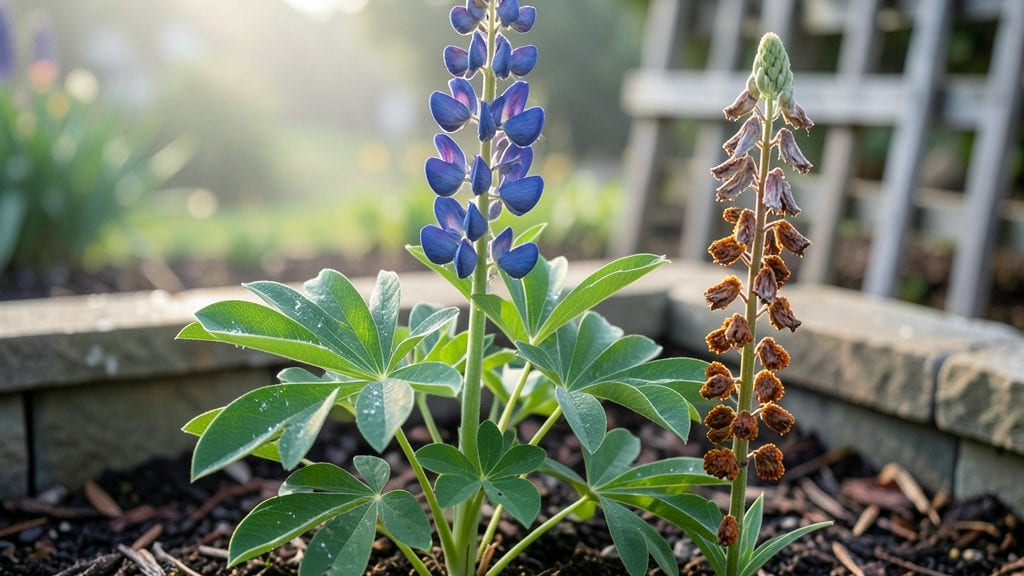
Lupine plant diseases can turn your vibrant blue spires into sad, yellowing shadows overnight. 🌿 I’ve watched my own lupines go from showstopper to sorry in just days—usually because I missed the early signs of fungal infections or viral attacks.
The good news? Most lupine diseases have clear symptoms, and once you know what to look for, you can act fast to save your plants.
Fungal threats like powdery mildew and rust show up as strange spots or fuzzy coatings on leaves, while viral infections often cause stunted growth or distorted flowers. The key is catching these issues early—before they spread to your entire garden.
My lupines bounce back every time I treat them within a week of noticing symptoms, and I’ll show you exactly how to spot and stop them.
You’ll learn to recognize the warning signs—think yellowing leaves, black spots, or wilting stems—and understand why wet conditions or crowded plants make lupines more vulnerable. With the right organic or chemical treatments, you can restore your lupines to their stunning, healthy selves in no time.
Whether you’re dealing with a single plant or a full border, this guide covers everything from prevention to cure. Let’s get those lupines thriving again—before another season slips away.
Root Causes Behind Lupine Illnesses
Lupines, with their striking blooms and nitrogen-fixing superpowers, aren’t immune to trouble—especially when it comes to diseases. Understanding why these issues pop up is half the battle in keeping your lupines thriving. Let’s break down the science behind the most common culprits.
Fungal pathogens are the #1 enemy of lupine health, thriving in damp, crowded, or nutrient-poor conditions. Here’s how they strike:
- Moisture Overload: Fungi like Fusarium and Phytophthora love humidity. Poor drainage or overhead watering creates a perfect petri dish for spores to germinate on leaves, stems, and roots. Pro tip: Lupines hate soggy feet—ensure soil drains within 24 hours after watering!
- Stress from Overcrowding: Dense plantings reduce airflow, trapping moisture and fungal spores. Powdery mildew (caused by Erysiphe) thrives in these conditions, coating leaves with a white, powdery film that blocks sunlight and stunts growth.
- Weakened Defenses: Lupines stressed by nutrient deficiencies (especially phosphorus or zinc) or physical damage (like hail or pests) are easier fungal targets. Root rot, for example, exploits compromised roots, turning them mushy and brown.
🔍 Actionable Fix: Space lupines 12–18 inches apart, avoid late-day watering, and mulch with gravel or sand (not organic matter) to deter fungal growth.
Viruses don’t just appear—they hitch rides on insects, tools, or even your hands. Here’s how lupines get infected:
- Insect Vectors: Aphids, leafhoppers, and beetles transmit viruses like Alfalfa mosaic virus (AMV) or Tobacco ringspot virus (TRSV) while feeding. These viruses cause mosaic patterns on leaves, stunted growth, and deformed flowers.
- Contaminated Tools: Pruners, gloves, or even soil from infected plants can carry viral particles. Example: Tobacco streak virus spreads via sap on shared tools between plants.
- Seedborne Pathogens: Some viruses, like Pea enation mosaic virus, lurk in seeds, emerging when you plant infected lupine seed stock.
🛡️ Prevention Tip: Disinfect tools with 70% rubbing alcohol between plants, remove infected plants immediately, and use row covers to block insect vectors.
Lupines are hardy, but extreme or inconsistent conditions can invite diseases like a bad houseguest. Watch for these red flags:
| Factor | How It Causes Disease | Fix It |
|---|---|---|
| Temperature Swings | Sudden cold snaps or heatwaves shock lupines, weakening their immune response. Example: Downy mildew thrives in cool (60–75°F), wet weather. | Choose disease-resistant varieties (e.g., Lupinus polyphyllus ‘Russell Hybrid’). |
| Poor Soil pH | Lupines prefer neutral to slightly acidic soil (pH 6.0–7.0). Alkaline soil (pH >7.5) locks out nutrients, stressing plants and making them susceptible to bacterial leaf spot. | Test soil and amend with sulfur or peat moss to lower pH. |
| Nutrient Imbalances | Too much nitrogen promotes lush, weak growth that attracts pests, while low phosphorus delays flowering, leaving plants vulnerable to root infections. | Use a balanced 10-10-10 fertilizer and compost for slow-release nutrients. |
🌡️ Pro Tip: Monitor microclimates—e.g., low spots in your garden retain moisture longer, creating fungal hotspots. Raised beds improve drainage and airflow.
By tackling these root causes—fungal conditions, viral vectors, and environmental stressors—you’ll give your lupines the best shot at staying healthy and disease-free. Next up: How to Spot These Issues Early.
How to Fix Lupine Plant Woes
Lupines are stunning, nitrogen-fixing powerhouses, but when diseases strike, they can wilt faster than a summer bloom in drought. The good news? Most issues have simple, actionable fixes—whether you're dealing with fungal infections, viral attacks, or environmental stressors.
Below, we’ve mapped out practical solutions for each common problem, plus prevention tips to keep your lupines thriving. Let’s get your plants back to their vibrant best!
Fungi thrive in damp, crowded conditions, so the first step is drying things out and improving airflow.
🔥 Remove Infected Plant Parts
- How: Snip off yellowing, spotted, or mushy leaves/stems immediately with sterilized scissors (wipe with rubbing alcohol between cuts).
- Why: Fungi spread like wildfire—removing the source stops the outbreak.
- Pro Tip: 💡 Don’t compost infected clippings! Toss them in the trash to prevent reinfection.
🌡️ Adjust Watering Habits
- How: Water early in the day (before 10 AM) to let foliage dry quickly. Use a soaker hose or drip irrigation to avoid wetting leaves.
- Fix: Ensure 6 inches of soil dry out between waterings.
Stick your finger in the soil—if it’s damp, wait. - Pro Tip: ✨ Mulch with gravel or bark (not organic mulch) to reduce soil moisture near the base.
🎯 Fungicide Treatments (When Needed)
- For Powdery Mildew: Spray with a baking soda mix (1 tsp baking soda + 1 quart water + a drop of dish soap) weekly until gone.
- For Root Rot: Drench soil with hydrogen peroxide (3%) (1 part peroxide to 10 parts water) to kill fungi in the roots.
- For Severe Cases: Use copper fungicide (follow label rates) as a last resort.
🌿 Prevent Fungal Recurrence
- Space plants 12–18 inches apart for airflow.
- Avoid overhead watering—it’s a fungus’s dream.
- Rotate crops if growing lupines annually (don’t replant in the same spot for 3+ years).
Viruses are sneaky—they spread via insects (like aphids) or contaminated tools. Prevention is key because once a plant is infected, it’s usually a lost cause.
👨🍳 Quarantine New Plants
- How: Inspect every new lupine for mosaic patterns (yellow/green mottling), stunted growth, or deformed leaves. Isolate suspicious plants for 2 weeks.
- Fix: Buy from reputable nurseries that test for viruses.
🔪 Control Pests (Aphids, Beetles)
- How: Blast aphids off with a strong stream of water or use neem oil spray (1 tsp neem oil + 1 quart water + drop of soap).
- Fix: Introduce ladybugs (natural aphid predators) or use insecticidal soap if infestations persist.
🚫 Remove and Destroy Infected Plants
- How: Pull up any plant showing viral symptoms and bag it (don’t compost!). Clean tools with bleach or alcohol after pruning.
- Why: Viruses don’t have a cure—eradicating the source is the only fix.
🛡️ Strengthen Plant Immunity
- How: Feed lupines with balanced fertilizer (10-10-10) in early spring to boost vigor.
- Fix: Companion plant with garlic or marigolds—they repel pests that spread viruses.
Bacteria cause oily spots, wilting, or slimy stems. Act fast—these spread rapidly!
🍳 Prune Aggressively
- How: Cut off all infected leaves/stems (even if just a few spots appear). Sterilize tools between cuts!
- Fix: Do not compost pruned material—trash it to stop bacterial spread.
💦 Improve Drainage
- How: Amend heavy clay soil with sand or perlite to prevent waterlogging.
- Fix: Ensure pots have drainage holes if growing lupines in containers.
🧴 Copper-Based Bactericides
- How: Spray with copper fungicide/bactericide (like Copper Soap) every 7–10 days until new growth appears.
- Pro Tip: 🌡️ Apply in the early morning for best absorption.
🎯 Prevent Future Outbreaks
- Rotate planting locations every 2–3 years.
- Avoid overhead irrigation—use drip systems instead.
- Disinfect tools after every use (even between healthy plants!).
Even with diseases under control, proactive care keeps lupines resilient:
- 🌱 Plant in full sun (6+ hours daily) to reduce humidity around leaves.
- 💧 Water at the base—never on foliage.
- 🌿 Thin crowded plants for better airflow.
- 🔄 Test soil pH (ideal: 6.0–7.0). Adjust with lime (to raise) or sulfur (to lower).
Final Thought: Most lupine diseases are preventable with smart watering, airflow, and pest control. Once you spot a problem, act fast—the sooner you treat it, the easier the fix! 🚀 With these steps, your lupines will bounce back stronger than ever.
Frequently asked questions
Why are my lupine leaves turning yellow?
Yellowing lupine leaves usually signal fungal infections like root rot or powdery mildew, or nutrient deficiencies (especially nitrogen or iron). Check for wilting stems or white powdery coatings—these confirm fungal issues. Overwatering or poor drainage worsens the problem. Fix it by improving airflow, adjusting watering habits, and testing soil pH (aim for 6.0–7.0).
Can lupine diseases spread to other plants?
Fungal spores (like those causing powdery mildew) and viral pathogens can jump to nearby plants via wind, water splashes, or contaminated tools. Viruses spread even faster through insect vectors like aphids. To prevent cross-contamination, isolate infected lupines immediately, disinfect tools with alcohol, and avoid overhead watering.
How do I know if my lupine has a fungal or bacterial infection?
Fungal infections show as powdery coatings (mildew), rust-colored spots, or mushy stems (root rot). Bacterial issues appear as oily, water-soaked lesions or slimy stems. Fungi thrive in damp conditions, while bacteria spread rapidly in warm, wet weather. If unsure, check the undersides of leaves—fungi often start there.
Are there chemical-free ways to treat lupine diseases?
Yes! For fungi, use a baking soda spray (1 tsp baking soda + 1 quart water + dish soap) weekly, or apply neem oil (1 tsp per quart of water) to deter spores. For bacterial issues, copper fungicide (organic-certified) works, but prevention is key—improve drainage, space plants, and water at the base. Companion planting with garlic or marigolds also helps repel pests.
Can I save a lupine plant with severe disease symptoms?
It depends! For fungal infections, prune affected parts immediately and treat with fungicide. If only a few leaves are infected, the plant may recover. For viral diseases, removal is the only option—viruses have no cure. If root rot has set in (mushy, brown roots), the plant is likely beyond saving. Always act fast and monitor for recurrence.