
Companion Plants
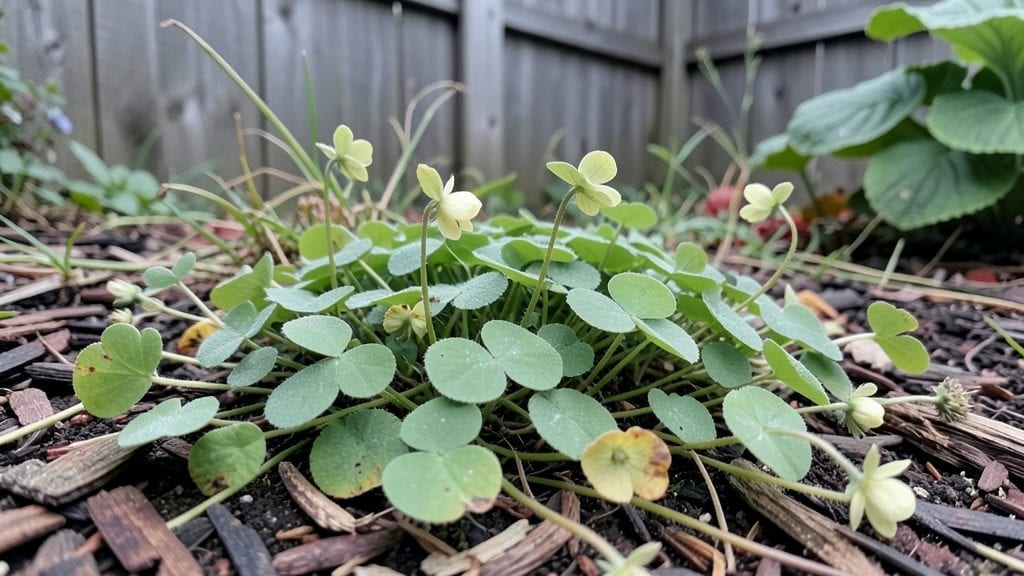
Growing live shamrock plants year-round feels like cheating—those tiny, three-leafed wonders keep bringing luck even after St. Patrick’s Day. 🌿 I’ve turned my kitchen windowsill into a shamrock factory using just three simple trims a year, and the plants keep thriving like they’ve been there forever.
The secret isn’t complicated: it’s all about light, soil, and knowing when to let them rest.
Most people grab shamrocks at the store in March, only to watch them wilt by May. But these plants—especially Oxalis or Trifolium species—can live for years with the right care.
You’ll need well-draining soil, bright (but not scorching) light, and a watering routine that keeps the roots happy without drowning them. The best part? They bloom again and again, proving luck isn’t just for one day.
By summer, your shamrocks will be lush and full, ready to spread their cheerful green across shelves or hanging baskets. A quick trim in late fall sends them into a gentle dormancy, and a spring prune wakes them up for another year of growth.
The payoff? A plant that outlasts seasonal decorations and keeps bringing that Irish charm indoors.
Works for sunny windows, shady corners, or even under grow lights—just adjust the care to your space. Here’s how to keep them alive (and lucky) all year.
📚 In This Guide
- What you need
- Instructions
- Tips and common mistakes
- Wrapping up and next steps
What you need
- ● Live shamrock plant (1–3 plants, depending on pot size; Oxalis species like Oxalis acetosella or Oxalis regnellii work best).
- ● Well-draining potting mix (3–5 gallons, depending on pot size; blend with perlite or sand for aeration).
- ● 6–8 inch terracotta or ceramic pot (with drainage holes—critical to prevent root rot!).
- ● Watering can or spray bottle (for gentle hydration).
- ● Shears or clean scissors (for trimming stems and encouraging bushiness).
- ● Balanced liquid fertilizer (diluted to half-strength; use monthly in growing seasons).
- ● Grow lights or sunny windowsill (6+ hours of indirect light daily).
- ● Slow-release fertilizer pellets (for low-maintenance nutrition).
- ● Peat moss or coconut coir (to retain moisture in dry climates).
- ● Humidity tray (if your air is dry—shamrocks love it!).
- ● Propagation tray (to grow new plants from cuttings).
How to keep your shamrock alive all year with minimal effort
Here's the foolproof method I've used to keep shamrocks thriving indoors for years—no green thumb required.
🌱 Step 1: Choose a Healthy Shamrock and Repot It Right
Start with a shamrock that has at least 3-4 stems and looks vibrant. If it's in a small pot, transfer it to a 6-inch container with fresh potting mix. Press the soil gently around the roots but don't pack it—shamrocks hate compacted soil. I always add a handful of perlite to the mix for better drainage, which prevents root rot.
Place the plant in a spot with bright, indirect light—a north or east-facing window works best. Direct sun will scorch the leaves, while dim light makes stems stretch weak. You'll know the light is right when the leaves stay a rich green without yellowing.
💧 Step 2: Water Just Enough to Keep Soil Moist (Not Soggy)
Water your shamrock when the top inch of soil feels dry to the touch. Stick your finger in—if it's damp, wait another day. Overwatering is the #1 killer of shamrocks, so I always err on the side of too little. Use room-temperature water to avoid shocking the roots.
After watering, empty any excess from the saucer within 10-15 minutes. Shamrocks can't handle sitting in water, and soggy roots lead to yellow leaves or worse. A lightly misted spray bottle once a week helps maintain humidity, especially in dry indoor air.
✂️ Step 3: Trim for Fullness and Luck (Do This Every 3 Months)
Here's where the magic happens: pinch back the tips of the longest stems just above a leaf node (where leaves grow). This encourages bushier growth and more shamrocks! I do this in early spring, summer, and fall—skip winter trims when growth slows.
For extra luck, snip a few stems and root them in water. Place cuttings in a jar with 2 inches of water, keeping them in bright, indirect light. Change the water every 3-4 days—you'll see roots form in about 2-3 weeks. This is how I've grown my shamrock collection to four plants!
☀️ Step 4: Give It a Mid-Winter Rest (Then Wake It Up)
When winter hits, your shamrock will slow down. Reduce watering to every 10-14 days and keep it in the brightest spot you have. If leaves yellow, that's normal—just trim them off. In late February, move it back to its usual spot and resume regular care.
You'll see new growth within 2-3 weeks—that's your signal to start watering more and fertilizing lightly with a balanced houseplant food once a month. This reset keeps your shamrock perky and ready for another year of luck.
Tips & tricks for perfect year-round shamrock care
Keeping your shamrock thriving indoors doesn't have to be complicated—just a few simple tweaks make all the difference.
Lighting is Everything: That bright, indirect light in Step 1 is non-negotiable. I've learned the hard way—direct sun burns leaves, and dim light makes stems stretch weak and leggy. If your space lacks natural light, supplement with a grow light for 6-8 hours daily. You'll notice the difference within weeks as leaves stay vibrant and compact.
Soil Secrets: The perlite in Step 1 isn't just for show—it's crucial for preventing root rot. I always mix in about 20% perlite by volume to create that perfect airy environment shamrocks crave. Pro tip: Use a terra cotta pot instead of plastic for even better drainage, especially during the 10-15 minute saucer-draining window after watering.
Trim Timing Matters: Those 3-month trims in Step 3 are your secret weapon for bushier growth. I mark my calendar for early spring, summer, and fall to stay consistent. Here's what nobody tells you—always use clean, sharp scissors or pruning shears. Dull tools crush stems, stressing the plant. And when rooting cuttings, I keep them in bright light but avoid direct sun to prevent algae growth in that 2 inches of water.
Winter Wisdom: The 10-14 day watering schedule in winter might seem drastic, but it's exactly what your dormant shamrock needs. I've seen too many people overwater during winter and end up with mushy roots. That late February wake-up call is your cue to fertilize lightly—just a quarter-strength dose of balanced houseplant food to avoid burning those tender new shoots.
Pro Tips for Live Shamrock Plants
- Keeping your shamrock thriving indoors doesn't have to be complicated—just a few simple tweaks make all the difference.
- Lighting is Everything: That bright, indirect light in Step 1 is non-negotiable.
- Soil Secrets: The perlite in Step 1 isn't just for show—it's crucial for preventing root rot.
Frequently asked questions
Got questions about keeping your live shamrock plants thriving? You’re not alone! Here are answers to the most common queries—so you can enjoy year-round luck without the guesswork.
How do I keep my live shamrock plant alive after St. Patrick’s Day?
With just a little care, your shamrock can live for years! After the holiday, move it to a bright, indirect light spot (like a sunny windowsill) and water when the top inch of soil feels dry. Trim it back lightly to encourage bushier growth—think of it as a St. Patrick’s Day haircut for your plant!
When is the best time to trim my shamrock for regrowth?
Trim your shamrock after it blooms (usually in spring) or whenever it looks leggy. A light prune in early summer can also promote fuller growth. Avoid heavy trimming in winter—let it rest! Pro tip: Always use clean scissors and snip just above a leaf node for the best results.
Can I grow a shamrock indoors year-round, or does it need outdoor time?
Shamrocks thrive indoors with proper light and care. If your plant looks tired by winter, a short outdoor stint (4–6 weeks in spring/fall) can refresh it—but no need for a permanent move. Just keep it away from drafts or extreme temps.
Why are the leaves on my shamrock turning yellow?
Yellow leaves usually mean overwatering or poor drainage. Let the soil dry out between waterings, and ensure the pot has drainage holes. If the roots smell rotten, it’s time to repot in fresh, well-draining soil. Act fast! Underwatering can cause yellowing too, so find that happy medium.
Are there shamrock alternatives that last longer than a few weeks?
If you love the look but want low-maintenance luck, try Oxalis triangularis (a close relative) or Oxalis acetosella (wood sorrel). Both are hardy, colorful, and thrive indoors. For a pop of green all year, consider pothos or peperomia—they’re shamrock’s chill cousins!
Wrapping up and next steps
Growing your own live shamrock plants is a rewarding way to bring a touch of Irish charm and luck to your home—year after year! With just a few simple trims and a little care, you can keep these vibrant companions thriving, turning them into a living symbol of good fortune.
Whether you're gifting them to loved ones or enjoying their beauty yourself, the key is patience and consistency.
Ready to keep the luck growing? 🍀 Start by sharing your newfound knowledge with friends or exploring other companion plants to expand your green thumb collection. Happy gardening!