
Companion Plants
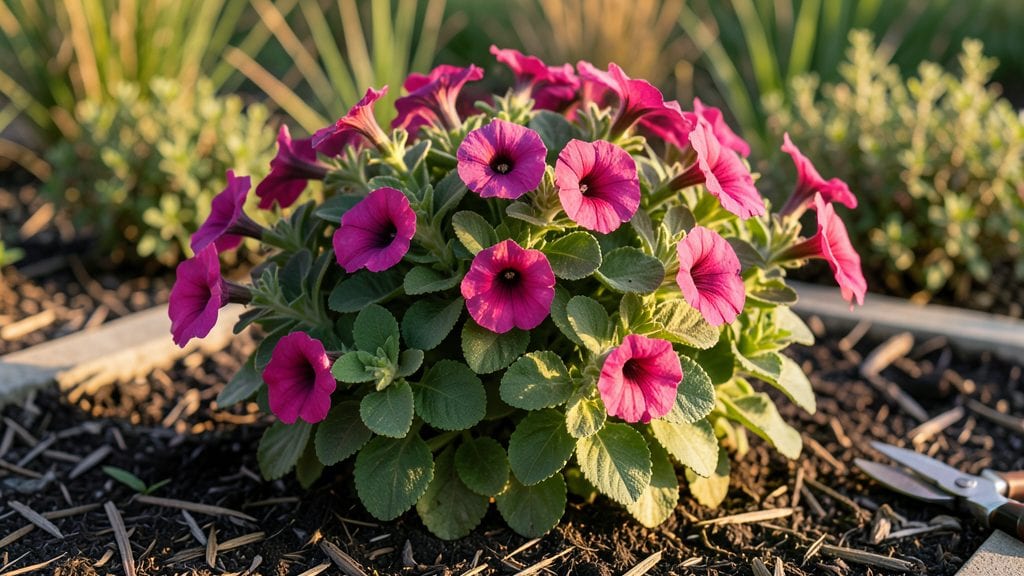
Live petunia plants bring summer color to gardens and containers with their velvety blooms and foolproof care. ✨ I’ve grown them for years, and the secret to their success isn’t complicated—it’s about choosing the right plants, giving them the perfect spot, and avoiding the three mistakes that kill them before they even bloom.
The best petunias start at a nursery, not a big-box store. Look for sturdy stems, deep green leaves, and buds just starting to open—these plants bounce back faster after transplanting. Skip the leggy, sparse ones; they’ll struggle to recover.
Once you bring them home, let them sit in a shady spot for a day or two to ease the transition from greenhouse to garden.
Plant them in well-draining soil with morning sun and afternoon shade, especially in hot climates. Water deeply once a week (more in containers) and mulch around the base to keep roots cool.
Within two weeks, you’ll see new growth, and by midsummer, your petunias will be the star of the show—no deadheading, no fuss, just nonstop blooms.
This works for hanging baskets, window boxes, or garden beds—just adjust watering for containers. The key is consistency: petunias reward patience with vibrant, long-lasting color that outshines anything from seed. Let’s get those plants thriving!
Root Causes Of Petunia Struggles
Understanding why your live petunia plants may wilt, droop, or fail to thrive starts with identifying the hidden triggers lurking in their environment. Petunias are resilient, but they’re not invincible—these vibrant bloomers need the right balance of care to shine.
Let’s break down the science-backed reasons behind common petunia problems, so you can fix them fast.
Petunias hate soggy roots—root rot is their silent enemy.
Overwatering (or planting in heavy, compacted soil) suffocates roots by cutting off oxygen, leading to: - Yellowing leaves (chlorosis) from nutrient starvation - Mushy stems that collapse under their own weight - Foul-smelling soil (a red flag for fungal infections like Phytophthora)
Why it happens:
- Petunias thrive in well-draining soil (pH 5.8–6.5). Clay or dense garden soil traps excess moisture, while pots without drainage holes act as water traps.
- Overzealous watering (especially in cool weather) prevents evaporation, keeping roots waterlogged.
- Pro tip: Stick your finger 1 inch deep into the soil—if it’s damp, wait. Petunias prefer consistent moisture, not soggy conditions.
While petunias tolerate some drought, prolonged dryness causes:
- Crispy, brown leaf edges (like paper burning)
- Wilting that doesn’t bounce back (even after watering)
- Bud drop (flowers aborting before opening)
Why it happens:
- Petunias are thirsty sun-worshippers—they lose moisture fast in direct sunlight (especially in zones 8–11). Their shallow root systems can’t reach deep water sources.
- Heatwaves + wind accelerate evaporation, dehydrating plants quicker than you’d expect.
- Solution: Water deeply at the base (not overhead) in the early morning to reduce evaporation. Mulch with straw or bark to lock in moisture.
Petunias are a buffet for pests, and these critters sap nutrients while spreading diseases. Common culprits:
- Aphids (sticky honeydew residue, curled leaves)
- Spider mites (tiny webs, speckled yellowing)
- Slugs/snails (ragged holes overnight)
- Whiteflies (tiny white moths swarming when disturbed)
Why it happens:
- Petunias attract pests with their sweet nectar and soft foliage. Overcrowded plants (poor airflow) create pest paradises.
- Drought-stressed plants are easier targets—pests exploit weakness.
- Fix it: Spray with neem oil (natural repellent) or introduce ladybugs (aphid predators). For slugs, set beer traps or use copper barriers.
Petunias need balanced nutrition, but too much (or too little) throws them off:
- Yellow leaves with green veins? → Nitrogen deficiency (old leaves) or magnesium shortage (young leaves).
- Purple stems/leaves? → Phosphorus deficiency (struggling to flower).
- Burnt leaf tips? → Salt buildup from over-fertilizing (especially with synthetic blends).
Why it happens:
- Poor soil (lacking organic matter) can’t retain nutrients. Petunias are heavy feeders and deplete soil quickly.
- Over-fertilizing (especially with high-nitrogen formulas) leads to leafy growth at the expense of flowers.
- Solution: Use a balanced, slow-release fertilizer (10-10-10) every 4–6 weeks. For containers, fish emulsion boosts micronutrients without burning.
Petunias are sun-loving drama queens—too little or too much light throws them off balance:
- Leggy, sparse blooms? → Not enough sunlight (they stretch toward light, weakening stems).
- Bleached, crispy leaves? → Scorched by intense afternoon sun (common in hot climates).
- Flowers closing by noon? → Heat stress from lack of shade.
Why it happens:
- Petunias need 6–8 hours of direct sun daily, but afternoon shade (especially in zones 9–11) prevents heat damage.
- North-facing gardens or shady patios starve them of energy, leading to weak growth.
- Fix it: Move potted petunias to partial shade during peak heat (1–4 PM). For garden beds, pair them with tall plants (like sunflowers) for natural shade.
Petunias are prone to fungal infections when conditions are humid + stagnant:
- Powdery mildew (white dust on leaves) → High humidity + poor airflow.
- **Gray mold (Botrytis) (soft, gray fuzzy spots) → Wet foliage + cool nights.
- Bacterial wilt (sudden wilting, oozing stems) → Contaminated soil or tools.
Why it happens:
- Petunias hate wet leaves—watering overhead or evening dew creates the perfect fungus incubator.
- Overcrowding reduces airflow, trapping moisture.
- Prevent it: Water at the base, space plants 12–18 inches apart, and remove infected leaves immediately. For powdery mildew, spray with baking soda solution (1 tsp baking soda + 1 quart water + drop of soap).
Petunias are tender perennials—they hate:
- Frost (below 40°F/4°C) → Blackened, mushy leaves.
- Sudden cold snaps → Shock-induced wilting.
- Strong winds → Stems snapping (especially in containers).
Why it happens:
- Petunias are annuals in cold climates (zones 10–11 only). Even a light frost kills them to the ground.
- Wind desiccates leaves by increasing evaporation faster than roots can replace moisture.
- Solution: In zones 1–9, treat petunias as summer annuals—plant after the last frost and remove before fall. For windy areas, stake tall varieties or use windbreaks.
Even healthy petunias struggle after moving due to:
- Root pruning (cutting roots during repotting).
- Soil disturbance (disrupting mycorrhizal fungi that help absorb water).
- Temperature/light changes post-transplant.
Why it happens:
- Petunias have delicate root hairs that absorb water—damaging them slows recovery.
- Shock symptoms: Wilting, yellowing, or new growth stunting for 1–2 weeks.
- Fix it: Water thoroughly before transplanting, use moisture-retaining soil, and avoid fertilizing for 2 weeks to reduce stress. Mulch heavily to protect roots.
Key Takeaway: Most petunia problems stem from one (or more) of these imbalances—water, light, nutrients, or pests. Once you identify the root cause, adjusting just one factor** often brings them roaring back to life! 🌸✨
Quick Fixes For Petunia Problems
Revive your blooming beauties with these practical solutions—each tailored to common petunia woes. Whether your plants are wilting, struggling to flower, or looking a little sad, these fixes are easy to implement and will have your petunias thriving in no time.
If your petunias are showing yellow leaves, it’s often a sign of overwatering or nutrient exhaustion. Here’s how to turn things around:
- 🔥 Drain the Soil Properly Petunias hate soggy roots. If the soil feels damp to the touch, hold off on watering until the top 1–2 inches are dry. Use a well-draining potting mix (add perlite or sand if needed) to prevent waterlogging.
- 🍳 Flush Out Excess Salts If your water has high mineral content, it can build up salts in the soil, burning roots. Give the soil a deep rinse with distilled or rainwater to flush out buildup.
- 👨🍳 Feed with Balance Yellowing can also mean nitrogen deficiency (lower leaves) or magnesium deficiency (interveinal yellowing). Use a balanced liquid fertilizer (10-10-10) every 2–3 weeks during blooming season. For magnesium, apply Epsom salt (1 tbsp per gallon of water) monthly.
- ✨ Prevention Tips
- Water early in the day to reduce fungal risks.
- Avoid letting plants sit in saucers of standing water.
- Rotate pots occasionally for even sunlight exposure.
If your petunias are stretching tall with sparse blooms, they’re crying out for light or needing a trim. Here’s how to fix it:
- 🔪 Move to Brighter Spot Petunias thrive in 6+ hours of sunlight daily. If indoors, place them near a south- or west-facing window. Outdoors? Relocate to a sunnier garden bed or provide grow lights (12–14 hours/day) if shade is unavoidable.
- 🌿 Prune for Bushiness Snip back overly long stems just above a leaf node to encourage branching. Deadhead spent blooms regularly to redirect energy into new flowers.
- 🎯 Thin Out Crowded Pots If petunias are packed too tightly, they compete for nutrients. Space them 12–18 inches apart or repot into larger containers (at least 12 inches wide).
- 💡 Pro Tip
- Pinch back young plants early to promote bushier growth.
- Use slow-release fertilizer to avoid leggy growth from nutrient spikes.
Black or brown spots on leaves? Powdery mildew or botrytis might be the culprit. Act fast to save your petunias:
- 🌡️ Improve Airflow Space plants 3–4 inches apart and avoid overhead watering. Use a fan on low setting for 10–15 minutes daily to dry leaves faster.
- 💧 Water at the Base Always water at soil level (not leaves) to prevent fungal spores from spreading. Use a watering can with a narrow spout for precision.
- 🔥 Apply Fungicide For existing infections, spray with:
- Neem oil (1 tsp per quart of water, reapply every 7–10 days).
- Baking soda solution (1 tsp baking soda + 1 quart water + few drops of dish soap).
- Copper fungicide (follow label instructions).
- ✨ Prevention Tips
- Remove infected leaves immediately (don’t compost them—trash instead).
- Rotate pots to ensure even drying.
- Avoid nighttime watering (fungi thrive in damp, cool conditions).
Tiny invaders can drain your petunias’ vitality. Here’s how to evict them:
- 🔪 Blast Them Off For aphids or whiteflies, spray plants with a strong stream of water to dislodge pests. Repeat every few days until gone.
- 🌿 Soap Spray Solution Mix 1 tsp mild liquid soap + 1 quart water in a spray bottle. Test on a small leaf first, then spray infested areas thoroughly. Reapply every 3–4 days.
- 🍯 Introduce Beneficial Insects Release ladybugs or lacewings (available at garden centers) to naturally control pests. They’ll feast on aphids and mites while leaving your petunias unharmed.
- 💡 Pro Tip
- Check undersides of leaves daily for early signs of pests.
- Use reflective mulch (like aluminum foil) around pots to deter whiteflies.
Petunias that leaf out but refuse to flower are often over-fertilized with nitrogen or not getting enough light. Try this:
- 📊 Switch to Bloom Booster Use a low-nitrogen, high-phosphorus fertilizer (like 5-10-5) to encourage flowering. Apply every 2–3 weeks during the growing season.
- 🌞 Increase Sun Exposure Petunias need full sun (6+ hours daily) to trigger blooming. If indoors, supplement with grow lights.
- 🔪 Deadhead Religiously Snip off spent blooms daily to prevent seed formation and encourage new flowers.
- ✨ Prevention Tips
- Avoid heavy nitrogen feeds (like lawn fertilizer).
- Pinch back leggy stems to redirect energy to flowers.
Remember: Petunias are forgiving—most issues can be reversed with quick adjustments. Keep an eye on your plants, and they’ll reward you with nonstop color all season long! 🌸✨
Frequently asked questions about live petunia plants
How do I choose the healthiest live petunia plants at the nursery?
Look for plants with sturdy stems, deep green leaves, and buds just starting to open. Avoid leggy plants or those with yellowing leaves—these struggle to recover. Check the roots too: healthy roots should be white and firm, not brown or mushy.
Can I plant petunias directly in the ground, or should I start in pots?
You can plant them directly in the ground, but starting in pots gives them a 2-week head start for better shock resistance. For containers, use well-draining soil and ensure pots have drainage holes to prevent root rot.
Why are my petunia leaves turning yellow?
Yellow leaves usually mean overwatering or nutrient deficiency. Check the soil—if it’s soggy, reduce watering. For nutrient issues, use a balanced fertilizer (10-10-10) every 2-3 weeks during blooming season. For magnesium deficiency, try Epsom salt (1 tbsp per gallon of water).
How often should I water petunias in containers vs. garden beds?
Container petunias need watering every 2-3 days (or when the top inch of soil is dry), while garden beds only need deep watering once a week. Mulch around plants to retain moisture and prevent soil crusting.
Can I grow petunias indoors near a window?
Yes, but they need 6+ hours of direct sunlight daily. South- or west-facing windows work best. If natural light is insufficient, supplement with grow lights (12-14 hours/day). Rotate pots weekly for even growth.