
Companion Plants
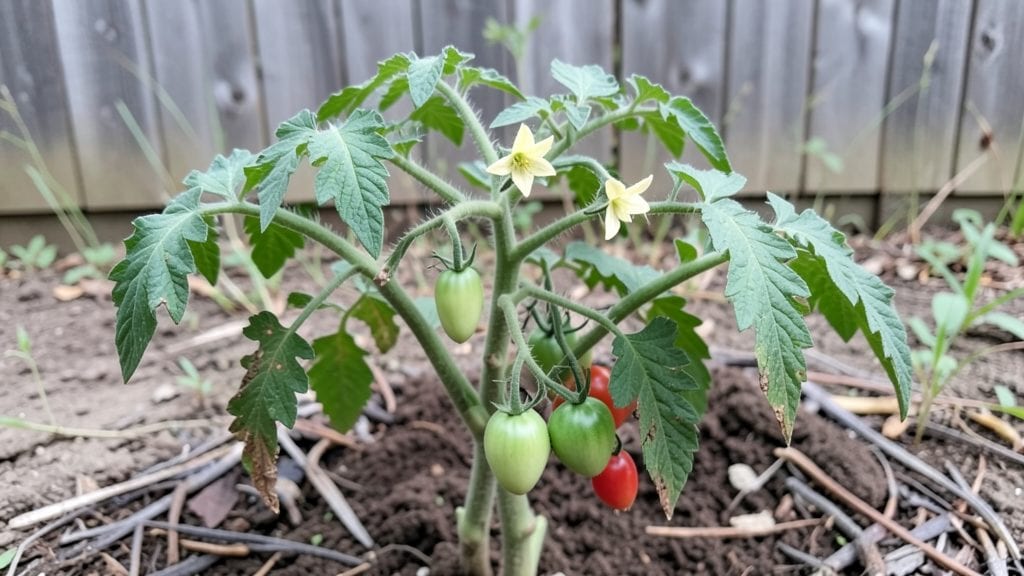
My limp tomato plants nearly ruined my summer harvest last year—until I learned the quick fixes that turned them around in just 24 hours. 🌱 The drooping vines could mean anything from too much water to a hidden pest, but the right diagnosis and action can save your plants before they’re past saving.
Start by checking the soil: if it’s soggy, you’ve overwatered; if it’s bone-dry, you’ve underwatered. Yellow leaves with crisp edges? Likely a nutrient deficiency or disease. Look for tiny holes or sticky residue—those mean pests.
Once you pinpoint the issue, the fixes are simple: adjust watering, trim damaged leaves, or apply a targeted remedy.
Within a day, you’ll see those vines perk up again with stronger stems and glossy leaves. The key is acting fast—don’t wait until the plants are completely collapsed. A little attention now means a bountiful harvest later, and you’ll avoid the heartbreak of losing your entire crop.
This works for both container and in-ground tomatoes, whether you’re dealing with heat stress, poor drainage, or an unexpected pest attack. Let’s get those plants standing tall again—your kitchen table is waiting for those juicy slices.
Root Causes Behind Floppy Stems
When your tomato plants start looking like overcooked spaghetti, it’s usually a cry for help from their roots—or something blocking their ability to stand tall. Understanding the why behind limp stems is the first step to turning things around.
Below, we break down the most common culprits, from hidden pests to overlooked environmental factors, with science-backed explanations to help you diagnose the issue fast.
Tomatoes are thirsty plants, but too much water—especially without proper drainage—can drown their roots. When soil stays soggy, oxygen can’t reach the roots, leading to anaerobic conditions. This disrupts nutrient uptake and weakens cell structure, causing stems to flop like wet noodles.
- Signs: Yellowing leaves, mushy stems, or soil that smells like rot.
- Why it happens: Overwatering triggers root rot (often caused by Phytophthora or Pythium fungi), which clogs root cells and prevents water/nutrient transport.
- Actionable fix: Let the top 1–2 inches of soil dry out between waterings, and amend heavy clay soil with compost or perlite to improve aeration.
While too much water is a villain, insufficient moisture can also cause limpness—especially in hot weather. Tomato plants wilt when they can’t pull enough water from the soil to maintain turgor pressure (the "plumpness" in their cells).
Heat stress compounds the problem by increasing transpiration (water loss through leaves) faster than roots can replenish it.
- Signs: Leaves curl upward, stems droop in the afternoon but recover at night (if mild), or soil feels bone-dry.
- Why it happens: Cells lose water faster than roots absorb it, leading to plasmolysis—when cell membranes shrink away from walls, causing structural collapse.
- Actionable fix: Water deeply in the morning (1–1.5 inches per week), mulch to retain moisture, and provide afternoon shade cloth if temps exceed 90°F.
Tiny invaders like hornworms, aphids, or whiteflies don’t just munch on leaves—they drink sap from stems and veins, starving your plant of the nutrients it needs to stay upright. Even root-knot nematodes (microscopic worms) can gnaw on roots, reducing their ability to anchor the plant.
- Signs:
- Sticky residue (honeydew) on leaves.
- Chewed stems or blackened spots (frass from hornworms).
- Stunted growth despite proper watering.
- Why it happens: Pests disrupt the plant’s phloem (sugar-transport system) and xylem (water-transport system), leading to nutrient deficiencies and weakened cell walls.
- Actionable fix: Handpick hornworms (they’re camouflaged!), spray neem oil for soft-bodied pests, or use beneficial nematodes (Steinernema carpocapsae) for root-dwelling nematodes.
Tomatoes are tropical plants at heart, but they hate sudden temperature swings—especially cold drafts or scorching heat. Wind exacerbates the problem by desiccating leaves (drying them out) and physically bending stems until they snap under their own weight. Even nighttime chills can cause cold stress, disrupting cellular function.
- Signs:
- Brown, crispy leaf edges (wind burn).
- Wilting that worsens at dawn (cold stress).
- Stems that feel brittle or cracked.
- Why it happens: Cold temps thicken cell membranes, reducing flexibility, while wind increases evaporation rates, causing osmotic imbalance in cells.
- Actionable fix: Use row covers for cold snaps, stake plants to reduce wind exposure, and avoid planting near AC units or open windows.
A limp tomato plant might be starving—not for water, but for key nutrients like potassium, calcium, or magnesium. These minerals are critical for cell wall integrity and osmoregulation (the plant’s ability to maintain water balance).
For example, a calcium deficiency causes blossom end rot in fruits and weakens stems, while magnesium deficiency (chlorosis) reduces photosynthesis, leading to floppy growth.
- Signs:
- Yellowing between leaf veins (magnesium).
- Brown spots on older leaves (potassium).
- Stems that feel soft or hollow.
- Why it happens: Poor soil pH, compacted soil, or over-fertilizing with nitrogen (which burns roots) can block nutrient uptake.
- Actionable fix: Test your soil and amend with:
- Potassium: Banana peel tea or greensand.
- Calcium: Crushed eggshells or lime.
- Magnesium: Epsom salt (1 tbsp/gallon of water, sprayed on leaves).
Even well-cared-for tomato plants can go limp after transplanting or if their roots are disturbed (e.g., by weeds, cultivation, or pets). Roots are delicate—when they’re pruned or bruised, the plant struggles to establish a new water-uptake system, leading to temporary wilting.
- Signs:
- Wilting that starts 3–7 days after transplanting.
- Leaves that yellow at the edges (early stress signal).
- Stems that feel spongy when pressed.
- Why it happens: Damaged roots release ethylene gas, a stress hormone that accelerates wilting, while the plant diverts energy to regrowing roots instead of supporting stems.
- Actionable fix: Water deeply before and after transplanting, avoid disturbing soil around roots, and apply a rooting hormone (like mycorrhizal fungi) to speed recovery.
Quick fixes for floppy tomato vines
Reviving limp tomato plants starts with identifying the root cause—but once you’ve pinpointed the issue, these practical, step-by-step solutions will get your vines perking up fast. Below, we’ve mapped out targeted fixes for each common problem, along with prevention tips to keep your tomatoes thriving long-term.
Fix it fast:
- Let the soil dry out 🌱—stick your finger 1-2 inches into the soil. If it’s soggy, hold off on watering for 2-3 days.
- Improve drainage 🔧: Mix in compost or perlite (1 part to 3 parts soil) to aerate heavy clay or compacted soil.
- Repot if needed 🏺: If your plant is in a container with no drainage holes, transfer it to a pot with holes or add a layer of gravel at the bottom.
- Water deeply but less often 💦: Give your tomatoes 1-1.5 inches of water per week (including rain), focusing on the base, not the leaves.
Prevention tips:
- Use self-watering pots or drip irrigation to avoid overwatering.
- Mulch heavily (2-3 inches of straw or wood chips) to retain moisture without drowning roots.
- Avoid watering at night—wet foliage invites fungal diseases like blight.
Fix it fast:
- Provide afternoon shade ☀️🛑: Use a lightweight shade cloth (30-50%) or move potted tomatoes to a spot with morning sun + afternoon shade.
- Mist leaves gently 💦 (early morning only) to cool them down—avoid overhead watering in the heat.
- Prune damaged leaves ✂️: Remove any yellow, crispy, or white patches to reduce stress on the plant.
- Boost hydration 🚰: Water early in the day (before 10 AM) to let excess moisture evaporate before nightfall.
Prevention tips:
- Choose heat-tolerant varieties like ‘Heatmaster’ or ‘Solar Fire’ if you live in a hot climate.
- Plant in late spring (after the last frost) to avoid early-season heatwaves.
- Use reflective mulch (white plastic or aluminum foil) to deflect excess heat from the soil.
Fix it fast:
- Identify the culprit 🔍:
- Aphids/spider mites? Spray with neem oil (1 tsp per quart of water) or soapy water (1 tbsp mild soap per gallon).
- Blight or bacterial spots? Remove infected leaves immediately and treat with copper fungicide (follow label instructions).
- Root-knot nematodes? Soak roots in hot water (120°F for 5 minutes) before replanting in sterilized soil.
- Strengthen the plant 💪:
- Fertilize lightly with a balanced 10-10-10 or fish emulsion to boost immunity.
- Add compost tea (steep compost in water for 24 hours, strain, and use as a foliar spray) for natural defense.
Prevention tips:
- Rotate crops—don’t plant tomatoes in the same spot yearly.
- Interplant with pest-repelling companions like basil, marigolds, or nasturtiums.
- Inspect plants weekly 👀 for early signs of pests or disease.
Fix it fast:
- Test your soil 📊: Use a DIY soil test kit (or send a sample to your local extension office) to check pH and nutrient levels.
- Adjust fertilizers 🧪:
- Yellow leaves + weak stems? Needs nitrogen—use blood meal or fish emulsion.
- Purple stems? Lacks phosphorus—switch to bone meal.
- Slow growth? Add potassium with wood ash or banana peel tea.
- Flush the soil 🚿: If over-fertilized, water heavily to leach out excess salts (repeat 2-3 times over a week).
Prevention tips:
- Side-dress (add fertilizer to the soil around the base, not the stem) every 3-4 weeks for a slow release.
- Use organic, slow-release fertilizers like worm castings or composted manure.
- Avoid high-nitrogen fertilizers (like lawn fertilizer) after flowering—it promotes leafy growth at the expense of fruit.
Fix it fast:
- Check the roots 👣: Gently remove the plant from its pot. If roots are circling tightly or poking out the bottom, it’s root-bound.
- Repot immediately 🏺:
- Choose a container 2-4 inches larger than the current one.
- Use well-draining potting mix (avoid garden soil).
- Trim any girdling roots (roots wrapped around the plant) with clean scissors.
- Water thoroughly 💦 and keep in shade for 3-5 days to reduce stress.
Prevention tips:
- Repot every 1-2 years if growing in containers.
- Use fabric pots (which allow roots to breathe) to reduce root-binding.
- Hardening off seedlings (gradually exposing them to outdoor conditions) before transplanting minimizes shock.
💡 Pro Tip: For all causes, prune strategically—remove suckers (side shoots) to redirect energy to existing fruit. Pinch off flowers on young plants (first 2-3 weeks) to encourage stronger vine growth before fruiting.
⏰ Time to Revive: Most limp tomato plants show noticeable improvement within 24-48 hours of proper care. If your plant remains wilted after a week, it may be beyond saving—but don’t worry, you’ll nail the next batch! 🌱🍅
Frequently asked questions about reviving weak tomato plants
Why do my tomato plants suddenly collapse in the afternoon but perk up at night?
This classic pattern usually means heat stress or underwatering. When roots can't pull enough moisture to keep up with daytime evaporation, cells lose turgor pressure and stems droop. If your soil feels bone-dry 2 inches down, water deeply in the morning (1-1.5 inches) and mulch to retain moisture. For extreme heat (above 90°F), provide afternoon shade with lightweight fabric.
Can I save a tomato plant that's been limp for a week?
It depends! If the stems feel soft or hollow when pressed (signs of rot or severe pest damage), the plant is likely beyond saving. However, if only wilting occurred, try these steps immediately: prune all damaged leaves, repot if root-bound, and soak roots in lukewarm water (90°F) for 10 minutes to revive them. Most plants show recovery within 24-48 hours of proper care.
What's the fastest way to test if my limp tomatoes need water or nutrients?
Do the finger test: Stick your finger 1-2 inches into the soil. If it's dry, underwatering is the issue—water deeply until moisture reaches 6 inches down. If soil feels soggy, check stems for mushy spots (root rot). For nutrient tests, look at leaf color: yellow between veins = magnesium deficiency (use Epsom salt), purple stems = phosphorus deficiency (try bone meal).
Are there any household items I can use to revive limp tomato plants?
Mix 1 tablespoon of Epsom salt in a gallon of water for magnesium boosts, or use crushed eggshells (baked and ground) for calcium. For pests, spray with soapy water (1 tbsp mild dish soap per gallon) or neem oil (1 tsp per quart). Even a coffee grounds rinse (1 cup steeped in 1 gallon water) can deter pests and add nitrogen—just don't overdo it!
Will staking or trellising help limp tomato plants recover?
Staking provides immediate support but won't fix the underlying issue—think of it as a temporary crutch while you address the root cause. For weak stems, use soft ties (like old T-shirts) to avoid damaging bark. Focus first on water/nutrient balance, then stake to prevent future flopping. Avoid over-tightening; stems should have room to grow.