
Planting
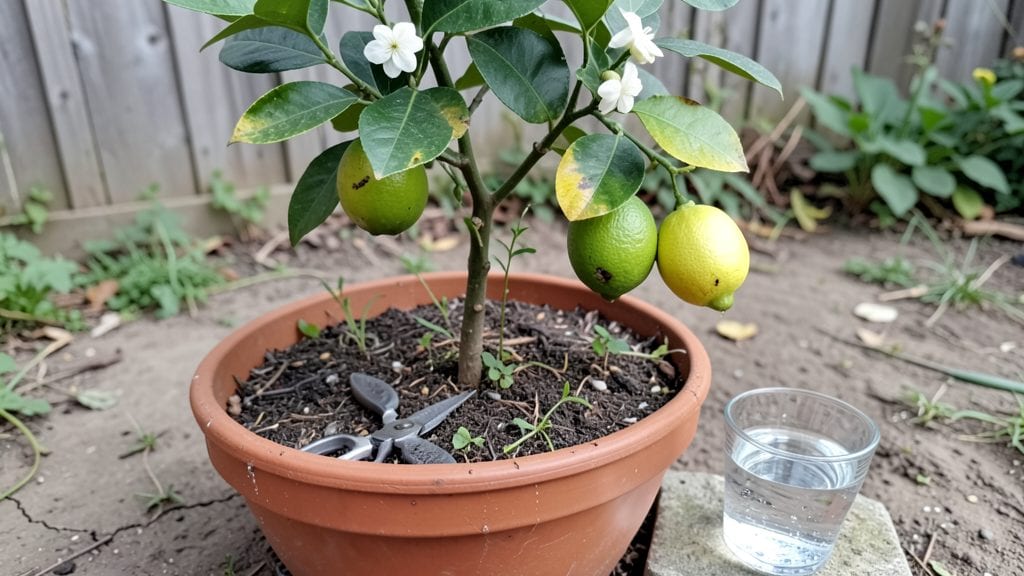
Propagating lemon plants from cuttings lets you grow your own fragrant citrus tree without buying one. 🌱 I’ve turned grocery store stems into thriving plants using just a glass of water and a sunny windowsill—no fancy equipment needed.
The key is picking the right stem, giving it the perfect start, and keeping it happy while roots form.
You’ll need sharp scissors, a healthy lemon plant (or a stem from the grocery store), rooting hormone (optional but helpful), and a clean container. The process takes about 4-6 weeks, but the first tiny roots appear within 2-3 weeks if you’ve got the conditions right.
Even if you’ve never propagated before, this method works—just follow the simple steps.
Once rooted, your new lemon plant will grow into a compact, fragrant tree that produces tiny, edible lemons within 2-3 years. The leaves smell like sunshine, and the process itself is oddly satisfying—like watching a tiny miracle unfold in your kitchen.
With the right care, you’ll end up with a plant that thrives indoors or outdoors in warm climates.
Here’s where it gets interesting—this method works for other citrus too, like limes and oranges. The same principles apply, so you can expand your collection without spending a dime. Let’s get those cuttings growing!
📚 In This Guide
- What you need
- Instructions
- Tips and common mistakes
- Wrapping up and next steps
What you need
- ● Healthy lemon plant cuttings: 4–6 inches long, with at least 2–3 leaf nodes (preferably semi-hardwood or mature growth).
- ● Sharp pruning shears or clean scissors: Sterilized with rubbing alcohol to prevent disease.
- ○ Rooting hormone (optional but recommended): A powder or gel to boost root growth.
- ● Well-draining potting mix: A blend of perlite, sand, and peat moss (or a cactus/succulent mix).
- ● Small pots or containers: 4–6 inches wide with drainage holes (one per cutting).
- ● Clear plastic bags or plastic wrap: To create a mini greenhouse effect.
- ● Spray bottle: For misting cuttings (water should be room temperature).
- ● Rubbing alcohol (70% or higher): For sterilizing tools.
- ● Heat mat: Speeds up rooting by keeping soil warm (70–75°F).
- ● Grow lights: If natural light is limited (12–16 hours/day).
- ● Fertilizer (low-dose): A balanced liquid fertilizer (diluted to half-strength) after 4–6 weeks.
- ● Charcoal granules: Adds to potting mix to prevent fungal growth.
Step-by-Step instructions for propagating a lemon plant from cutting
Here’s how I’ve successfully grown new lemon trees from cuttings—no fancy tools or green thumb required.
🌱 Step 1: Select and Prepare the Cutting
Choose a healthy, mature stem from your lemon tree that’s about 4-6 inches long and has at least 3-4 leaves. The best cuttings come from new growth—look for stems that are slightly flexible but not woody. Use clean, sharp pruning shears to make a 45-degree angle cut just below a leaf node (that little bump where leaves attach).
Remove the lower leaves, leaving only the top 2-3 leaves intact. This reduces moisture loss and helps the cutting focus energy on root growth. Dip the cut end in rooting hormone (optional but helpful for faster results). I’ve found that even without it, lemon cuttings root well if kept moist and warm.
💧 Step 2: Plant the Cutting in Moist Medium
Fill a small pot (about 4-6 inches wide) with the perlite and potting mix blend you prepared. Moisten the mix until it’s damp but not soggy—think of a wrung-out sponge. Make a hole in the center with your finger, about 2 inches deep, and gently insert the cutting so the node is just below the soil line.
Press the soil lightly around the cutting to secure it without compacting it too much. Water gently until you see moisture seep out the bottom of the pot. Place the pot in a warm spot (around 70-75°F) with bright, indirect light—like a sunny windowsill away from direct afternoon sun. You’ll know the moisture is right when the soil feels damp but not wet to the touch.
⏰ Step 3: Encourage Root Growth and Care for New Growth
Cover the pot loosely with a clear plastic bag to create a humid environment, but leave it slightly open to allow airflow. This helps the cutting retain moisture while it develops roots. Mist the cutting lightly every 2-3 days to keep the humidity high inside the bag. Roots typically form in 4-8 weeks, but don’t rush it—patience is key here.
Once new leaves appear (usually after 6-8 weeks), your cutting has successfully rooted! Gradually remove the plastic bag over 1-2 weeks to acclimate the plant to normal air. Water when the top inch of soil feels dry, and move it to a brighter spot as it grows. Within a few months, you’ll have a thriving lemon plant ready to transplant into a larger pot or garden bed.
Tips & tricks for perfect lemon plant propagation
These simple tricks will help you avoid common pitfalls and boost your success rate with lemon plant cuttings.
The Right Cutting: In Step 1, look for stems that are flexible but not brittle—this indicates healthy, actively growing wood. Avoid thick, woody stems that won't root easily. The 45-degree angle cut is key: it increases surface area for root growth. I've found that cuttings taken from the tips of branches (just below new leaves) root fastest.
Moisture Management: After planting in Step 2, check soil moisture daily. The mix should stay consistently damp but never soggy—like a wrung-out sponge. I keep my cutting pots on a tray of pebbles with shallow water to maintain humidity without overwatering. Too much moisture causes rot, while too little causes the cutting to dry out and fail.
Environmental Control: The 70-75°F range mentioned in Step 2 is ideal, but consistency matters more than exact temperature. If your home runs cooler, place the pot on a heating mat set to low. Avoid drafts from windows or AC vents, which can stress the cutting. I've had cuttings root successfully in 60°F rooms, but it takes 2-3 weeks longer than the typical 4-8 week range.
Rooting Acceleration: Optional: For faster rooting, try placing the pot under a grow light for 12-14 hours daily. Regular fluorescent lights work too. I've seen root formation cut in half (from 8 weeks to 4) using this method. Just keep the light 6-12 inches above the cutting to prevent leaf burn.
Pro Tips for Lemon Plant Cutting
- These simple tricks will help you avoid common pitfalls and boost your success rate with lemon plant cuttings.
- The Right Cutting: In Step 1, look for stems that are flexible but not brittle—this indicates healthy, actively growing wood.
- Moisture Management: After planting in Step 2, check soil moisture daily.
Frequently asked questions
Got questions about propagating your lemon plant from cuttings? You’re not alone! Here are answers to the most common concerns—so you can grow your citrus family with confidence.
When is the best time to take lemon plant cuttings?
The ideal time is late spring or early summer when new growth is vigorous and the plant is actively producing leaves. Avoid winter—dormant cuttings root poorly. If you must propagate outside this window, use a rooting hormone and keep conditions warm and humid.
How long does it take for lemon plant cuttings to root?
With patience, you’ll see roots in 4–8 weeks, depending on conditions. Keep the cutting in a humid, warm environment (70–75°F) and mist it daily. Check for roots by gently tugging—if resistance is met, you’re in business!
Can I propagate a lemon plant from a cutting in water?
Yes, but success rates are lower than soil propagation. Use room-temperature water (not tap water if chlorinated) and change it every 3–5 days. Roots may take 2–3 months to form. For better results, transfer rooted cuttings to soil once roots reach 1–2 inches long.
Why is my lemon plant cutting turning yellow or mushy?
Yellowing or mushy stems usually signal overwatering, rot, or stress. Ensure your cutting has 1–2 nodes (bumps where leaves grow) and only the lower half is buried. Use a well-draining mix (like perlite + peat) and avoid soggy soil. If rot sets in, trim the affected area and replant in fresh, dry soil.
Do I need a special soil mix for lemon plant cuttings?
A lightweight, well-draining mix is key! Combine 50% perlite or coarse sand with 50% peat moss or coco coir. Avoid garden soil—it compacts and suffocates roots. For extra insurance, add a handful of worm castings to boost nutrients.
How do I know if my lemon plant cutting is ready to transplant?
Your cutting is ready when it has 3–4 new leaves and a healthy root system (2+ inches long). Gently remove it from water/soil, check for roots, and transplant into a 4–6 inch pot with citrus-friendly potting mix. Harden it off by exposing it to outdoor conditions gradually over 1–2 weeks.
Wrapping up and next steps
Growing a lemon plant from cuttings is a rewarding way to expand your citrus garden—and you’ve got all the tools to succeed! With just a few simple steps, you can nurture new life from a single cutting, enjoying fresh lemons (or stunning foliage) in no time. Now’s your chance to turn that kitchen scrap into a thriving plant—so grab those clippers and get growing!
🌱 Next step: Keep an eye on your cutting’s progress, and before you know it, you’ll be harvesting homegrown lemons (or sharing cuttings with fellow plant lovers!). Happy propagating! 🍋