
Propagation
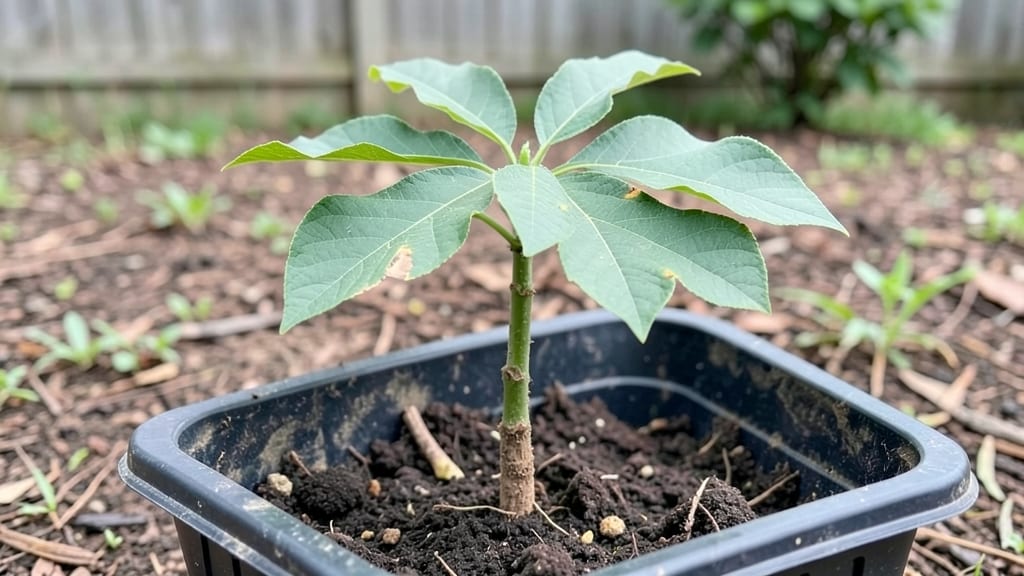
Planting a jackfruit tree from seed turns kitchen scraps into a tropical giant—and the process starts with just a single seed. 🌱 I’ve grown jackfruit from grocery store seeds, and while it takes patience, there’s nothing like watching a tree this magnificent emerge from something you’d normally toss.
The key is mimicking the warm, humid conditions of its native Southeast Asia right in your home.
The secret to success lies in three simple phases: germination (which can take weeks), nurturing the young seedling (think bright light and humidity), and eventually transplanting it outdoors once temperatures stay above 60°F.
Most people rush this step, but taking your time ensures the seedling develops a strong root system before facing real-world conditions. I’ve seen seeds sprout in as little as two weeks, but others take months—so don’t give up if nothing happens quickly.
By the time your seedling reaches 12 inches tall, you’ll be ready to move it to a larger pot or directly into the ground, depending on your climate.
The real magic happens when it matures: a fully grown jackfruit tree can produce hundreds of pounds of fruit per season, and the scent of ripe jackfruit in your yard is unforgettable. Even in cooler zones, container growing lets you enjoy this tropical treasure year after year.
Here’s the catch: jackfruit trees grow slowly at first, and they’re sensitive to cold snaps. But with the right care—consistent moisture, protection from frost, and plenty of sunlight—you’ll be harvesting fruit in 5-10 years.
The journey is the reward, and every gardener who’s ever grown something from seed will tell you that’s where the real satisfaction lies.
📚 In This Guide
- What you need
- Instructions
- Tips and common mistakes
- Wrapping up and next steps
What you need
- ● Fresh jackfruit seeds – 3–5 mature, plump seeds (harvested from ripe fruit). Pro tip: 💡 Rinse seeds thoroughly to remove pulp before planting!
- ● Well-draining potting mix – 2–3 gallons of a blend designed for tropical plants (or a mix of coconut coir, perlite, and compost in a 2:1:1 ratio).
- ○ Small pots or seed trays – 4–6-inch diameter containers (one per seed) with drainage holes. Optional: Biodegradable peat pots for easy transplanting.
- ● Watering can or spray bottle – For gentle hydration (avoid over-saturating seeds!).
- ● Plastic wrap or clear lid – To create a mini greenhouse effect and retain humidity.
- ● Fertilizer (balanced, water-soluble) – 10-10-10 or 20-20-20 NPK ratio (diluted to half-strength for seedlings).
- ● Sunlight access – A warm, bright spot (e.g., south-facing window or grow light). Jackfruit seeds love warmth! 🌡️
- ● Seedling heat mat – To maintain soil temps between 75–85°F (24–29°C) (speeds up germination!).
- ● Humidity dome or plastic tent – For extra moisture retention during germination.
- ● Pruning shears – For trimming sprouts or future shaping.
- ● Mulch (straw or wood chips) – Once transplanted outdoors, to retain moisture and regulate soil temp.
Step-by-Step instructions for growing a jackfruit tree from seed
Here’s the straightforward method I’ve used to grow jackfruit trees from grocery store scraps—no nursery required.
🌱 Step 1: Extract and Prepare the Seed
Start with a fresh, ripe jackfruit. Cut the fruit open and remove the large, brown seeds—each one is a potential tree. Rinse them thoroughly to remove any pulp, then let them air-dry for 24 hours on a paper towel. This prevents rot and mimics natural drying conditions.
Once dry, place the seeds in a ziplock bag with a damp paper towel. Seal it loosely and leave them in a warm spot (75-85°F) for 3-5 days. You’ll see tiny sprouts emerge—this is your signal they’re ready for planting. If multiple seeds sprout in one bag, separate them carefully to avoid damage.
🪴 Step 2: Plant in a Well-Draining Container
Use a 6-inch diameter pot filled with a mix of 50% potting soil and 50% perlite—this ensures excellent drainage, which jackfruit seeds need to avoid root rot. Plant each seed 1 inch deep, pressing lightly to secure it. Water gently until the soil is moist but not soggy.
Place the pot in a warm, bright spot with indirect sunlight (like an east-facing window). Jackfruit seeds germinate best in warmth, so a seedling heat mat set to 80°F can speed up the process. Keep the soil consistently moist—not wet—by checking the top inch daily. Overwatering here is the fastest way to lose your seedling.
☀️ Step 3: Transplant and Provide Tropical Conditions
Once the seedling reaches 6 inches tall (usually 3-6 months), it’s time to upgrade. Choose a 12-inch pot with fresh potting mix and a handful of slow-release fertilizer. Gently remove the seedling, keeping the root ball intact, and replant at the same depth it was growing before.
Jackfruit trees thrive in full sun (6+ hours daily) and high humidity. If you’re indoors, supplement with a grow light for 12-14 hours/day. Outdoors, wait until nighttime temperatures stay above 55°F before moving it permanently. You’ll notice new leaves forming within 2-3 weeks—this confirms it’s adapting well.
🌿 Step 4: Maintain Growth and Prepare for Fruiting
By 1-2 years old, your jackfruit tree will need regular feeding. Every 2 months, apply a balanced 10-10-10 fertilizer (follow package rates). Water deeply once a week, letting the top 2 inches of soil dry out between waterings. This prevents root stress while keeping the tree hydrated.
If grown indoors, rotate the pot quarter-turn weekly to ensure even growth. You’ll see male and female flowers appear around 3-5 years—this is your first sign that fruiting is possible. For outdoor plants in tropical climates, fruiting can happen as early as 5-7 years, but patience is key. Prune leggy growth in early spring to encourage bushier, stronger branches.
Tips & tricks for growing a jackfruit tree from seed
Growing a jackfruit tree from seed is a rewarding process, but small details make all the difference between success and failure. Here’s what I’ve learned after watching multiple seeds thrive—and others fail.
Seed Preparation Secret: The 24-hour drying period in Step 1 isn’t just about preventing rot—it’s about mimicking the seed’s natural dormancy cycle. Place your seeds on a single layer of paper towel in a well-ventilated spot. If you’re in a humid climate, prop the towel up slightly to improve airflow and speed up drying. This prevents mold while ensuring the seed’s outer shell hardens just enough for successful germination.
Germination Temperature Matters: While the instructions specify 75-85°F, I’ve found that maintaining consistent warmth at the higher end of this range (closer to 85°F) significantly speeds up germination. If your home stays below 75°F, consider using a seedling heat mat set to 80°F—this can cut your waiting time from 3-5 days to just 2-3 days. Just be careful not to exceed 85°F, as this can cause the seeds to overheat.
Transplanting Technique: When your seedling reaches 6 inches in Step 3, handle it with extra care during transplanting. Jackfruit seedlings have delicate root systems that can break easily. Gently squeeze the sides of the pot to loosen the root ball, then slide the seedling out rather than pulling it. This minimizes root damage and helps your tree establish more quickly in its new home. The 3-6 month timeline for this stage can vary dramatically based on how carefully you handle this transition.
Lighting Strategy: For indoor growers, the 12-14 hours of grow light in Step 3 is non-negotiable, but the quality matters just as much as the duration. Use full-spectrum LED grow lights positioned 6-12 inches above the plant. If you notice the leaves stretching toward the light (a sign of light deprivation), you’re either too far away or need a more powerful bulb. Outdoor plants in tropical climates won’t need this supplement, but indoor plants absolutely will—especially during winter months when daylight hours shrink.
Pro Tips for Plant Jackfruit Tree From Seed
- Growing a jackfruit tree from seed is a rewarding process, but small details make all the difference between success and failure.
- Seed Preparation Secret: The 24-hour drying period in Step 1 isn’t just about preventing rot—it’s about mimicking the seed’s natural dormancy cycle.
- Germination Temperature Matters: While the instructions specify 75-85°F, I’ve found that maintaining consistent warmth at the higher end of this range (closer to 85°F) significantly speeds up germination.
Frequently asked questions
Got questions about growing your own jackfruit tree?
Here are answers to the most common ones—so you can plant with confidence!
How long does it take for a jackfruit seed to sprout?
A jackfruit seed typically sprouts within 2–4 weeks if kept warm (75–85°F) and moist. Patience is key—some seeds may take up to 6 weeks to crack open and send up a shoot. Keep the soil consistently damp (not soggy) to encourage germination.
Can I grow a jackfruit tree indoors?
While jackfruit trees thrive outdoors in tropical climates, you can start them indoors in a large pot (10+ gallons) with bright, indirect light. However, they’ll need to be moved outside permanently once they’re 3–5 feet tall—these trees love warmth and humidity! Use a grow light if natural light is limited.
Why isn’t my jackfruit seed sprouting?
If your seed isn’t sprouting, check these common issues:
- Too cold: Jackfruit seeds need warmth—try a seedling heat mat (75°F+).
- Too dry: Keep soil consistently moist (not waterlogged).
- Old seed: Fresh seeds sprout best—use seeds from ripe fruit.
- Rot: If moldy or mushy, the seed may be dead. Discard and try again!
Pro tip: Soak the seed in water for 24 hours before planting to speed up germination.
How big does a jackfruit tree get, and how much space does it need?
Jackfruit trees are giants—they can reach 60–100 feet tall in ideal conditions! Give it plenty of space (at least 20–30 feet in diameter) if planting outdoors. In containers, they’ll stay smaller but may need a 20+ gallon pot and regular pruning. Warning: They’re not for small yards!
Can I eat the fruit from a seed-grown jackfruit tree?
Yes! However, seed-grown trees take 3–5 years to produce fruit, and the first few fruits may be smaller or less flavorful. For faster, more reliable fruiting, consider grafting a known variety onto your seedling later. Patience pays off—imagine harvesting your own tropical giant in a few years!
Wrapping up and next steps
Growing a jackfruit tree from seed is a rewarding adventure that turns your kitchen scraps into a tropical giant! 🌱 With patience and the right care—like choosing fresh seeds, providing warm conditions, and nurturing your sapling—you’ll soon enjoy the sweet rewards of your labor.
Whether you’re dreaming of homegrown jackfruit or just love the magic of propagation, take the next step today: grab those seeds, prep your pot, and watch your tropical oasis grow!