Pruning
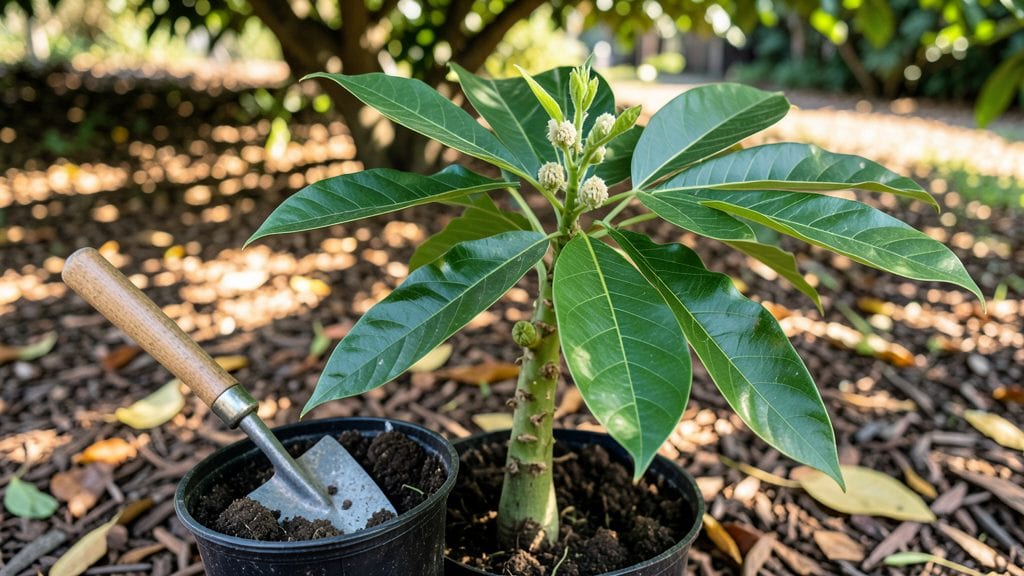
Planting a jackfruit tree starts with a single seed that could grow into a 50-foot tropical giant—and I’ll show you how to do it right the first time. 🌿 The key isn’t just digging a hole; it’s matching the tree’s wild origins with your climate, soil, and patience.
This isn’t a fast-growing shrub—it’s a long-term investment that rewards you with fruit the size of footballs (and the smell of sweet, creamy perfection when ripe).
You’ll need warm weather, rich soil, and either a sunny yard or a 20-gallon container for patio growing. Jackfruit thrives in zones 10-11 but can survive cooler snaps if protected—just don’t expect fruit until the tree’s 3-5 years old.
The real secret? Starting with a grafted tree (not a seed) skips the 10-year wait for edible fruit, though seeds are easier to find and fun to grow for the adventure.
By the end of this, you’ll have a tree planted with strong roots, proper spacing (20 feet apart for full-size trees), and a watering schedule that keeps it thriving without drowning it.
The first year is all about establishing that root system—deep, wide, and hungry for nutrients. Think of it as laying the foundation for a backyard jungle that’ll feed your family for decades.
Even if you live in a cooler climate, we’ll cover workarounds like container growing or indoor cultivation (yes, it’s possible with the right light). The jackfruit’s resilience surprises most gardeners—once you get past the “waiting game,” the rewards make every step worth it. Let’s get that tree in the ground.
📚 In This Guide
- What you need
- Instructions
- Tips and common mistakes
- Wrapping up and next steps
What you need
- ● Jackfruit seed or sapling: 1 healthy seed (freshly harvested) or a 1-2 ft tall nursery-grown sapling (ensure it’s disease-free).
- ● Well-draining potting mix: 5-10 gallons (for containers) or 2-3 cubic feet (for in-ground planting). Mix equal parts of coconut coir, perlite, and compost.
- ○ Large container (optional but recommended for beginners): 15-20 gallon pot with drainage holes (if growing indoors or in cooler climates).
- ● OR a 3x3 ft planting hole (for in-ground planting in tropical/subtropical zones).
- ● Fertilizer: 1 cup of balanced organic fertilizer (10-10-10 or similar) or composted manure (e.g., cow/camel dung) for nutrient-rich soil.
- ● Mulch: 2-3 inches of organic mulch (straw, wood chips, or leaves) to retain moisture and regulate soil temperature.
- ● Watering can or hose: With a gentle spray nozzle for hydration.
- ● Pruning shears: Small, sharp pair for trimming excess growth (sterilize with rubbing alcohol).
- ○ Support stake (optional): 4-6 ft tall bamboo or wooden stake to stabilize young trees in windy areas.
- ● Climate: Jackfruit thrives in USDA Zones 10-11 (tropical/subtropical). If in a cooler zone, grow in a large container and bring indoors during winter.
- ● Sunlight: Full sun (6+ hours daily). Partial shade is okay for saplings but reduce as they mature.
- ● Soil pH: 6.0–7.5 (slightly acidic to neutral). Test your soil with a pH kit if unsure.
- ● Water access: Regular watering (especially in dry climates). Jackfruit trees hate soggy roots—ensure excellent drainage!
- ● Patience: 🌱 Jackfruit trees take 3–5 years to bear fruit, but the wait is worth it!
- ● 🌿 Seedlings vs. saplings: Saplings grow faster, but seeds are fun to sprout! Soak the seed in water for 3–5 days before planting to speed up germination.
- ● 🌡️ Cooler climates? Use a heat mat or grow lights to keep soil temps above 70°F (21°C) for optimal growth.
- ● ✨ Bonus tool: A moisture meter helps monitor soil hydration—jackfruit trees prefer consistently moist (not waterlogged) soil.
How to plant a jackfruit tree for long-term tropical growth
Here's the straightforward approach I've used to establish healthy jackfruit trees that thrive for years.
🌱 Step 1: Choose and Prepare the Planting Site
Jackfruit trees need full sun—at least 6-8 hours daily—and plenty of space to grow. Find a spot with well-draining soil and shelter from strong winds, since young trees are sensitive. If your soil is heavy clay, mix in 2-3 inches of compost to improve drainage before planting.
Dig a hole twice as wide as the root ball but only as deep as the container's base. This prevents burying the graft union (if using a grafted tree) or the trunk, which can cause rot. Loosen the sides of the hole with a shovel to encourage root spread.
🪴 Step 2: Plant the Tree and Water Thoroughly
Remove the tree from its container and gently loosen the roots if they're circling. Place it in the hole so the top of the root ball sits 1 inch above ground level—this prevents waterlogging. Fill the hole with the remaining soil, pressing lightly around the edges to remove air pockets.
Water deeply right after planting—10-15 gallons—to settle the soil and eliminate gaps. Mulch the base with 2-3 inches of organic mulch (like wood chips), keeping it 6 inches away from the trunk to prevent rot. This retains moisture and regulates soil temperature.
☀️ Step 3: Establish Care Routines for Healthy Growth
For the first 3 months, water 2-3 times per week, giving 5-10 gallons each time to encourage deep root growth. After that, reduce to once weekly unless your area experiences hot, dry spells. Jackfruit trees are drought-tolerant once established but need consistent moisture when young.
Fertilize 3 months after planting with a balanced, slow-release fertilizer (like 10-10-10) applied twice yearly in early spring and summer. Avoid high-nitrogen fertilizers—they promote leafy growth at the expense of fruit production. Watch for yellowing leaves, which signal overwatering or nutrient deficiencies.
⏰ Step 4: Protect and Prune for Long-Term Success
Young jackfruit trees are vulnerable to cold snaps—if temperatures drop below 40°F, cover the tree with frost cloth or move potted trees indoors temporarily. Prune sparse branches in late winter to improve air circulation, but avoid heavy pruning until the tree is 3-5 years old.
This is the moment that matters: Be patient. Jackfruit trees take 5-7 years to bear fruit, but with proper care, they reward you with massive, fragrant harvests for decades. The key is consistent watering, smart fertilization, and protecting young growth—just like I’ve done with my own trees.
Tips & tricks for planting jackfruit trees
A few simple tricks that'll make all the difference in establishing a thriving jackfruit tree for years to come.
The Sunlight Factor: Those 6-8 hours of daily sun are non-negotiable for jackfruit trees. If your yard has partial shade, consider planting near a south-facing wall or fence that reflects sunlight. I've seen trees in partial shade grow slowly and produce smaller fruit—trust me, they need that full sun exposure to reach their full tropical potential.
Soil Preparation Secret: When you're mixing in that 2-3 inches of compost for heavy clay soil, don't just dump it in the hole. Spread it out around the planting area first, then mix it into the top 6-8 inches of soil. This creates a better root environment from the start, and you'll notice stronger early growth. The goal is to improve drainage without creating pockets of rich soil that can attract pests.
Watering Wisdom: That 10-15 gallons of deep watering right after planting is crucial, but here's what nobody tells you—water slowly over 15-20 minutes rather than dumping it all at once. This prevents soil erosion and helps water penetrate deeply to reach those developing roots. After the initial watering, I like to create small trenches around the tree to channel water directly to the root zone during those first 3 months.
Fertilizer Timing: The instructions mention fertilizing 3 months after planting, but here's my pro tip: split that first application into two smaller doses—one at 2 months and one at 3 months. This gives your young tree a gradual nutrient boost without overwhelming it. I use half-strength fertilizer the first time to be extra gentle, then full strength the second time. This approach mirrors how tropical trees naturally get nutrients in their native environment.
Pro Tips for Planting Jackfruit Tree
- A few simple tricks that'll make all the difference in establishing a thriving jackfruit tree for years to come.
- The Sunlight Factor: Those 6-8 hours of daily sun are non-negotiable for jackfruit trees.
- Soil Preparation Secret: When you're mixing in that 2-3 inches of compost for heavy clay soil, don't just dump it in the hole.
Frequently asked questions
Got questions about growing your own jackfruit tree?
Here are answers to the most common ones—whether you're a beginner or just troubleshooting a tricky step.
When is the best time to plant a jackfruit tree?
The ideal time is during the early rainy season (spring/summer) when temperatures are warm (70–90°F) and soil stays moist. If you're in a drier climate, plant in late spring to avoid frost. Avoid winter planting—jackfruit is tropical and hates cold!
How long does it take for a jackfruit tree to bear fruit?
Patience is key! With ideal conditions, expect fruit in 3–5 years for grafted trees (faster) or 5–10 years for seed-grown trees. Young trees focus on root/leaf growth first—don’t rush them! Pro tip: Fertilize regularly (especially nitrogen and potassium) to speed up fruiting.
Why isn’t my jackfruit tree growing? Troubleshooting tips.
Common issues and fixes:
- Yellow leaves: Overwatering or poor drainage. Let soil dry slightly between waterings.
- Slow growth: Needs more sunlight (6+ hours daily) or nutrients. Test soil pH (aim for 6.0–7.5) and amend with compost.
- No flowers/fruit: Could be too young, low humidity, or lack of cross-pollination (jackfruit trees are self-pollinating but benefit from neighbors).
If pests (like aphids or mealybugs) attack, spray with neem oil or insecticidal soap.
Can I grow a jackfruit tree in a pot?
Yes! Start in a 15–20 gallon container with drainage holes, using a well-draining mix (cactus soil + perlite). Move outdoors in summer and bring indoors (near a sunny window) when temps drop below 50°F. Just know: Potted trees won’t grow as large or produce as much fruit as in-ground plants.
What’s the difference between seed-grown and grafted jackfruit trees?
| Seed-Grown | Grafted |
|---|---|
| Cheaper ($20–$50), but takes 5–10 years to fruit. Variety isn’t guaranteed. | More expensive ($100–$300), but fruits in 3–5 years with predictable taste/size. Disease-resistant rootstocks improve longevity. |
| Great for experimentation or if you love a challenge! | Best for reliable harvests and commercial growers. |
Pro tip: If buying seeds, soak them in warm water for 24 hours to speed up germination.
Wrapping up and next steps
Planting a jackfruit tree is a rewarding journey that brings a taste of the tropics to your backyard! 🌴 With the right soil, sunlight, and care, you’ll soon enjoy lush foliage and—if you’re lucky—sweet, fragrant fruit.
Whether you’re a seasoned gardener or a beginner, these steps make it simple to grow your own tropical giant.
Now that you’re ready to plant, take the first step today—dig that hole, place your sapling, and watch your jackfruit tree thrive. Happy growing! 🌱