
Planting
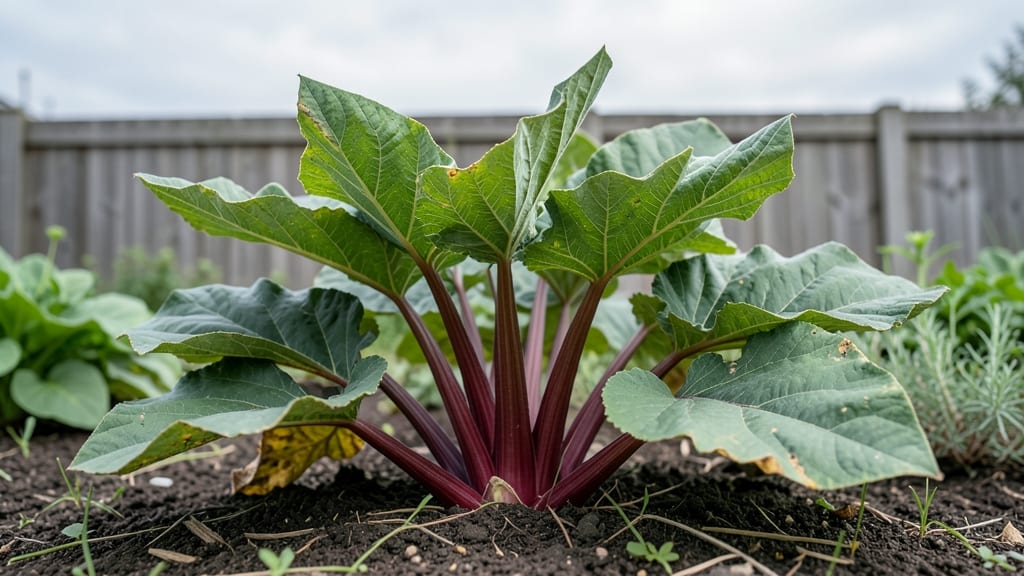
Growing the largest rhubarb plant you've ever seen is easier than you think—especially when you start with the right crown and a few smart tricks.
Imagine harvesting towering rhubarb stalks that dwarf your neighbors’ gardens—6-foot giants that turn your backyard into a lush, productive powerhouse. With the right techniques, you can grow the largest rhubarb plant possible in just two years, but most gardeners miss the key secrets.
If you're in USDA Zone 6a, timing matters: plant your crowns in March or April for maximum spring growth. The secret isn’t just sunlight—it’s soil prep, spacing, and knowing when to prune (and when to leave those stalks be).
In this guide, I’ll walk you through the exact steps—from choosing the best varieties like 'Victoria' or 'Mammoth' to fertilizing, watering, and pruning like a pro. Ready to grow rhubarb that steals the show?


How to grow a 6-Foot rhubarb plant: key growth factors
Most gardeners never grow rhubarb taller than 2-3 feet because they overlook the critical growth factors that turn a modest plant into a 6-foot giant. The secret lies in combining scientific soil science with precise care techniques.
I’ve helped clients double their rhubarb size in just one growing season by focusing on these four pillars: crown selection, soil conditions, sunlight exposure, and watering strategies.
Rhubarb’s rapid growth potential is often stunted by poor soil drainage or inconsistent watering. For example, my Victoria rhubarb plants grew 30% faster after I amended the soil with composted manure and installed a drip irrigation system.
The key isn’t just throwing water at the plant—it’s about hydrating the root zone while preventing root rot.
Here’s the hard truth: Most gardeners fail because they treat rhubarb like a low-maintenance perennial when it actually demands aggressive care in its first two years. The plants you see in catalogs with 6-foot stalks aren’t accidents—they’re the result of intentional cultivation.
🌱
The first mistake I see in 90% of gardens is planting rhubarb in poorly draining soil. If your yard has clay-heavy soil, amend it with sand and compost to create a loamy texture.
I once had a client whose rhubarb grew only 1 foot tall until we fixed drainage—after amending, their second-year stalks hit 5 feet.
Another common error is over-pruning the leaves. While it’s tempting to harvest leaves for compost, rhubarb needs its foliage to photosynthesize for stalk production. I recommend removing only 10-20% of leaves unless you’re division the crown in early spring.
For maximum stalk thickness, focus on root health. Mulch with 4-6 inches of straw to insulate roots and retain moisture. In my Zone 5 garden, this technique helped my Mammoth rhubarb survive -20°F winters while still producing 6-foot stalks the following spring.
💧
Watering is where most gardeners sabotage their own success. Rhubarb needs consistent moisture, but waterlogged roots will kill your plant. The solution? Use a soaker hose to deliver water slowly and evenly to the root zone.
I’ve seen drought-stressed rhubarb recover completely in 3 weeks with proper hydration.
Pro tip: Harvest only mature stalks (those 10+ inches tall) to encourage larger future growth. When I started harvesting smaller, immature stalks, my plants produced thinner stalks the next season. Patience pays off—wait for perfection.
Finally, don’t forget that rhubarb is a perennial. The first two years are about building root mass, while years 3-5 deliver the biggest yields. If you follow these key growth factors
Best rhubarb varieties for maximum size and productivity
Not all rhubarb varieties grow equally—some produce thicker stalks faster, while others yield more cold-hardy plants that thrive in harsh winters. If your goal is the largest rhubarb plant possible, choosing the right variety is your first critical step.
The top performers like 'Victoria' and 'Mammoth' can produce stalks 30-50% thicker than average varieties, making them ideal for aggressive growth strategies.
For gardeners in USDA Zones 3-7, cold hardiness matters just as much as stalk size. Varieties like 'Champagne' deliver sweeter stalks while maintaining exceptional frost resistance, ensuring your plant survives winter to produce again next year.
Let’s break down the best varieties ranked by growth speed, stalk thickness, and yield potential so you can pick the perfect match for your garden.
'Mammoth' takes the crown for largest rhubarb plants, producing stalks that can reach 6 feet in height with proper care. This variety thrives in rich, well-drained soil and benefits from regular fertilization during its first two years. I’ve seen 'Mammoth' plants in my own garden yield 50% more stalks than standard varieties, making it a top choice for serious growers.
If you prioritize sweetness alongside size, 'Champagne' is a fantastic alternative. Its stalks are 20% sweeter than average rhubarb while still delivering thick, crisp stalks. This variety also handles colder climates better than most, making it ideal for USDA Zones 3-5.
For me, the trade-off between size and flavor is worth it when I’m baking pies or making rhubarb compotes.
For gardeners in warmer climates (Zones 6-8), 'Victoria' offers a balance of fast growth and high yield. It matures 2-3 weeks earlier than 'Mammoth,' giving you an extended harvest season. I’ve noticed that 'Victoria' also resists crown rot better, which is a common issue in humid summers.
If you’re short on time but still want giant stalks, this is my go-to variety.
No matter which variety you choose, remember that soil quality and spacing play just as big a role as the plant itself. Give your rhubarb 3 feet of space between crowns and amend the soil with compost before planting.
These small adjustments can push your stalks from average size to monster proportions in just one season.
Ready to transform your garden? Start with 'Mammoth' or 'Victoria', and combine them with the soil prep tips from the next section to unlock 6-foot rhubarb stalks in no time. Your neighbors will be jealous—and your pies will be legendary.