Size
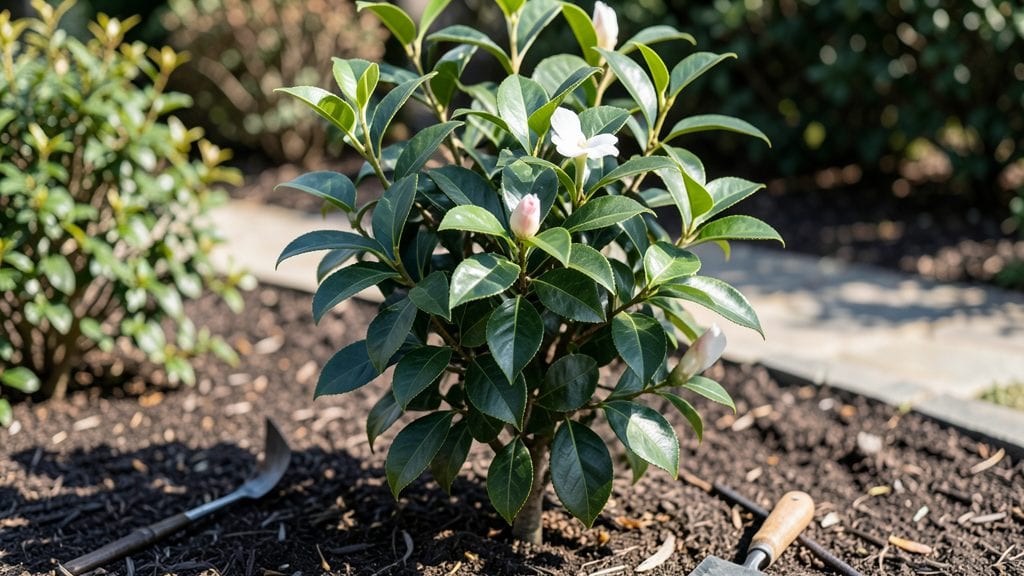
To grow a tea plant successfully, you'll need Camellia sinensis seeds or cuttings, acidic well-draining soil with a pH of 4.5–6.0, partial shade, high humidity, and consistent moisture. The plant typically takes 3–5 years to mature before harvesting its leaves.
Tea plants thrive in warm, humid climates that mimic their native subtropical environments, which is why many gardeners in temperate zones grow them in containers or greenhouses. 🌿 The key to success lies in replicating these ideal conditions—whether through soil amendments, shade cloth, or indoor growing setups.
Once established, your tea bush will reward you with tender, flavorful leaves that develop best when pruned regularly to encourage bushy growth and prevent woody stems.
Harvesting is an art in itself—you'll want to pluck the youngest leaves in pairs with their buds, known as the "two-leaf-and-bud" method, which produces the finest tea quality. This process should happen in spring or early summer when the plant is actively growing, and the leaves are most tender.
With patience and proper care, your homegrown tea plant can become a year-round source of premium loose-leaf tea.
💡 In This Article
- Tea Plant Varieties and Ideal Growing Conditions
- Pruning and Harvesting Tea Plant Leaves for Optimal Flavor
Tea plant varieties and ideal growing conditions
The Camellia sinensis plant exists in several distinct varieties, each adapted to specific climates and producing unique flavor profiles. The two primary groups are Camellia sinensis var. sinensis (Chinese types) and Camellia sinensis var. assamica (Assam types).
Chinese varieties like those used for green and white teas thrive in cooler, subtropical climates with 60–80°F average temperatures, while Assam types prefer warmer, tropical conditions with 75–90°F ranges. Darjeeling, a hybrid, sits in between, requiring 65–85°F and high humidity to develop its delicate floral notes.
Soil composition is equally critical—tea plants demand acidic, well-draining soil with a pH between 4.5–6.0.
A pH below 4.5 can lead to nutrient deficiencies (like iron chlorosis), while above 6.0 reduces root absorption. 🌱 The ideal mix includes 60% organic matter (like composted leaves or pine needles) and 40% mineral content (sand or perlite).
In regions with alkaline soil, amend with sulfur or peat moss to maintain the proper acidity. Microclimate matters too: windbreaks (like bamboo fences) protect tender leaves from drying, and morning sun with afternoon shade mimics the dappled light of their native forests.
Humidity is non-negotiable—tea plants need 70–90% relative humidity, especially in their first two years. In arid climates, use a humidity tray or misting system to prevent leaf curl. The roots also require consistent moisture but must never sit in waterlogged soil, which causes root rot.
A 1–2 inch layer of mulch (like pine bark) helps retain moisture while suppressing weeds. What most gardeners overlook is the plant's sensitivity to sudden temperature swings—protect your tea bush from cold snaps below 50°F with frost cloth or move potted plants indoors.
Each variety responds differently to these conditions. For example, Assam tea plants grow taller (15–20 feet) and produce bold, malty flavors when given full sun, while Darjeeling varieties stay compact (8–12 feet) and develop muscatel notes with partial shade.
Chinese varieties like Longjing (Dragon Well) require gentle pruning to maintain their flat, elongated shape. The key factor is matching the variety to your local climate—Assam types can handle more heat, while Chinese varieties need cooler summers to prevent leaf burn.
Light exposure directly impacts flavor development. Young leaves grown in bright indirect light produce more L-theanine (the amino acid responsible for tea's umami taste), while direct midday sun increases caffeine content. This is why shade-grown teas like Gyokuro (Japanese) have sweeter, more complex profiles.
In containers, rotate pots weekly to ensure even light exposure, and avoid placing tea plants near heat sources like vents or radiators, which can stress the foliage.
For gardeners in temperate zones, container growing is often the best approach. Use 15–20 gallon pots with drainage holes and a mix of 60% peat moss, 20% perlite, and 20% compost. Place pots on casters so you can move them between sun and shade as needed.
With proper care, even small-batch growers can produce 1–2 pounds of dried leaves annually from a single mature plant—enough for years of homemade tea.