
Planting
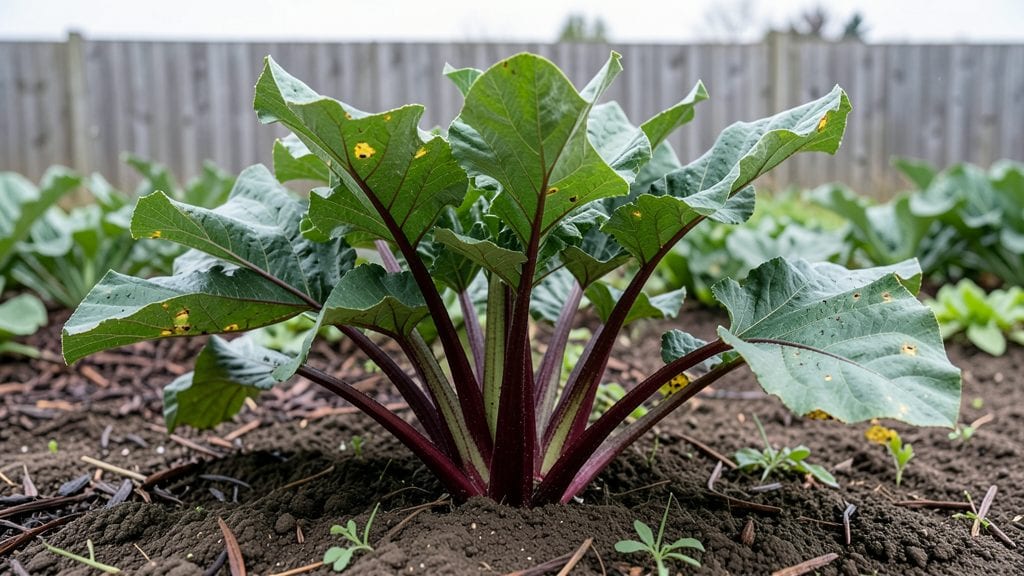
A large rhubarb plant isn’t just a garden staple—it’s a cold-hardy workhorse that rewards patience with years of harvests. I’ve grown mine for over five years, and this first year is when you set the foundation for those thick, juicy stalks that’ll keep coming back for decades.
The key? Planting it in the right spot with deep, well-drained soil that stays cool in summer.
Rhubarb thrives in full sun but tolerates partial shade, making it perfect for northern climates or shady backyard corners. You’ll need patience—it takes 2-3 years to reach full size—but once established, it’s nearly indestructible.
Feed it with compost in early spring, water deeply during dry spells, and watch those stalks grow 12-18 inches tall by late spring.
Pruning is where the magic happens. Cut stalks at the base after harvest, but never remove more than one-third of the plant at once. This keeps energy flowing to the roots, ensuring next year’s crop will be even bigger.
By winter, the leaves die back, but the crown stays alive underground, ready to burst with growth again in spring.
Pests rarely bother rhubarb, but crown rot can be a problem in soggy soil. If your plant looks tired after years of harvests, divide it every 4-5 years to rejuvenate growth. With proper care, your rhubarb will outlive you—and keep producing those tart, vibrant stalks for generations.
📚 In This Guide
- What you need
- Instructions
- Tips and common mistakes
- Wrapping up and next steps
What you need
- ● Rhubarb Crowns: 1–3 high-quality, disease-free rhubarb crowns (preferably Rheum rhabarbarum varieties like 'Victoria' or 'Strawberry').
- ● Choose crowns with 3–5 sturdy stalks and healthy roots (avoid woody or mushy crowns).
- ● Well-Draining Soil: 6.0–7.0 pH level (test with a soil pH kit).
- ● Rich in organic matter (compost or aged manure).
- ● Loamy texture (avoid heavy clay or sandy soil).
- ● Fertilizer: Balanced 10-10-10 or 5-10-10 fertilizer (apply ½ cup per plant at planting and again in early spring).
- ○ Optional: Potassium-rich fertilizer (like 0-0-50) to boost cold hardiness.
- ● Gardening Tools: Trowel or spade (for digging).
- ● Garden fork (to loosen soil).
- ● Pruners (sterilized, for harvesting).
- ● Measuring tape or ruler (to space plants 3–4 feet apart).
- ● Mulch: 2–3 inches of organic mulch (straw, wood chips, or shredded leaves) to retain moisture and insulate roots.
- ● Watering Supplies: Garden hose with adjustable nozzle or drip irrigation system.
- ● Watering can (for seedlings).
- ● Cold Frame or Row Cover: Extends the growing season in early spring or fall.
- ● Compost Tea: Boosts soil microbial activity for healthier plants.
- ● Plant Tags: Label varieties if growing multiple types.
- ● Garden Gloves: Protects hands from prickly stalks and thorns.
- ● Soil Amendments: Gypsum (for clay soil) or perlite (for sandy soil).
How to grow a large, productive rhubarb plant
This hardy perennial thrives with minimal fuss once you get the basics right.
Choose the Perfect Planting Location
Rhubarb demands full sun—at least 6-8 hours daily—for the largest, sweetest stalks. I always pick the sunniest, most sheltered spot in my garden because rhubarb’s thick leaves can get scorched in hot afternoon sun. The soil should drain well but retain moisture—rhubarb hates soggy roots but won’t tolerate drought either.
Test your spot by digging a 12-inch deep hole. If water pools at the bottom, amend the soil with 2-3 inches of compost to improve drainage. Rhubarb’s deep roots need room to spread, so avoid planting near trees or shrubs that compete for nutrients. A 4-foot diameter planting circle gives mature plants plenty of space to establish.
Prepare the Soil for Optimal Growth
Work 2-3 inches of well-aged compost into the top 12 inches of soil to create a nutrient-rich zone. Rhubarb thrives in slightly acidic to neutral soil with a pH between 6.0 and 7.0. If your soil is heavy clay, mix in 1 part perlite or coarse sand to every 3 parts soil to loosen it without disrupting the root structure.
Spread a 2-inch layer of organic mulch (like straw or shredded leaves) around the planting area to conserve moisture and suppress weeds. Keep the mulch 4 inches away from the crown to prevent rot. The mulch will break down over time, adding nutrients back to the soil—just like nature intended.
Plant Crowns at the Right Depth and Spacing
Set the rhubarb crown 2 inches below the soil surface, with the buds facing upward. Planting too deep delays growth, while shallow planting exposes the crown to temperature swings. Space plants 3-4 feet apart in rows 4 feet apart to allow for easy harvesting and airflow between stalks.
Gently firm the soil around the crown but avoid compacting it—rhubarb roots need loose, aerated soil to expand. Water deeply right after planting to settle the soil and eliminate air pockets. You’ll know it’s done right when the surface feels firm but still crumbles easily between your fingers.
Water and Fertilize for Maximum Yield
Keep the soil evenly moist but never soggy during the first growing season. Water 1-2 times per week, depending on rainfall, until the plants establish deep roots. Mature rhubarb is drought-tolerant but produces better stalks when consistently hydrated. You’ll see the difference when the leaves stay vibrant green instead of wilting or turning yellow.
In early spring, apply a balanced 10-10-10 fertilizer at half strength around the base of the plant. Avoid high-nitrogen fertilizers—they encourage leafy growth at the expense of stalks. Instead, focus on potassium-rich fertilizers in late summer to boost winter hardiness and next year’s harvest.
Prune and Harvest for Long-Term Productivity
Wait 3 years before harvesting any stalks—this gives the plant time to build a strong root system. When you’re ready, cut stalks at the base with a clean, sharp knife, leaving the leaf rosette intact. Harvest in the early spring when stalks are 12-18 inches tall and firm to the touch. Overharvesting weakens the plant, so limit yourself to one-third of the stalks at a time.
In late fall, trim back any dead or damaged leaves but leave the healthy foliage until spring. This protects the crown from freezing temperatures. If your winters are extremely cold, mound 4-6 inches of mulch around the base for extra insulation. With proper care, a single rhubarb plant can produce harvests for decades.
Tips & tricks for growing a large, productive rhubarb plant
A few key strategies will help you cultivate a thriving rhubarb plant that yields abundant harvests for years to come.
Sunlight Strategy: The 6-8 hours of daily sunlight requirement is non-negotiable for maximum stalk production. I've found that morning sun with afternoon shade works best in hot climates—this prevents leaf scorching while still giving the plant enough energy for growth. If your garden gets intense afternoon sun, consider planting near a north-facing wall or fence for natural shade during peak heat hours.
Soil Preparation Insight: When amending heavy clay soil as mentioned in Step 2, I recommend mixing in perlite or coarse sand gradually rather than all at once. This prevents soil compaction and gives the roots room to establish properly. A simple soil test kit (available at garden centers) can confirm your soil's pH—aim for that 6.0-7.0 range for optimal growth. The compost should be well-aged to avoid introducing weeds or pathogens to your new planting.
Planting Depth Secret: That 2-inch planting depth for the crown might seem shallow, but it's crucial for proper growth. I've seen many gardeners plant too deep, which delays emergence and weakens the plant. To check depth, use a ruler or measuring stick when placing the crown—it should sit just below the soil surface with buds facing upward. The surrounding soil should feel firm but still crumbly, like a well-packed cake batter.
Watering Wisdom: The 1-2 times per week watering guideline works well, but I've learned to adjust based on weather conditions. After heavy rains, reduce watering to prevent soggy soil, while hot, dry spells may require daily watering until the plant establishes. A simple finger test in the soil—about 2 inches down—tells me if it's time to water. The soil should feel moist but not wet, similar to a wrung-out sponge.
Pro Tips for Large Rhubarb Plant
- A few key strategies will help you cultivate a thriving rhubarb plant that yields abundant harvests for years to come.
- Sunlight Strategy: The 6-8 hours of daily sunlight requirement is non-negotiable for maximum stalk production.
- Soil Preparation Insight: When amending heavy clay soil as mentioned in Step 2, I recommend mixing in perlite or coarse sand gradually rather than all at once.
Frequently asked questions
How long does it take for a rhubarb plant to reach maturity and produce edible stalks?
A newly planted rhubarb crown typically takes 2–3 years to mature, but patience pays off! In the first year, focus on establishing strong roots. By year two, you’ll see small stalks—harvest sparingly to encourage growth. Full productivity hits around year 3 or 4, when your plant can yield 5–10 lbs of stalks per season.
Can a large rhubarb plant survive harsh winters, and how do I protect it?
Rhubarb is one of the hardiest perennials, tolerating zones 3–9 with minimal fuss! For extra protection in extreme cold (below -20°F/-29°C), mulch heavily with straw or leaves (4–6 inches) after the ground freezes. Avoid disturbing the plant in winter—its dormancy is key to survival.
Are there any parts of the rhubarb plant that are toxic, and how do I harvest safely?
Only the stalks are edible!
The leaves contain oxalic acid, which is toxic to humans and pets. When harvesting, cut stalks at the base with clean shears, leaving at least 1 inch of crown to fuel regrowth. Pro tip: Harvest in the morning for the sweetest, crispest stalks.
How do I revive a struggling or dormant-looking rhubarb plant?
If your plant looks leggy, yellow, or dormant, it may need a reset. Start by pruning dead or diseased leaves and reducing harvests to let energy return to the roots. Add compost or balanced fertilizer (5-10-10) in early spring, then water deeply but infrequently. Patience is key! Healthy regrowth often appears within 2–4 weeks.
What are some low-maintenance alternatives to rhubarb for cold climates?
If rhubarb isn’t your thing, try these hardy, perennial picks:
- Sorrel: Tangy leaves for salads; thrives in shade.
- Asparagus: Slow to start but decades-long harvests.
- Sea kale: Cold-resistant with edible leaves and stalks.
- Strawberries: June-bearing varieties return yearly with minimal care.
Each offers unique flavors and zero-fuss growing in cold zones!
Wrapping up and next steps
Growing a large rhubarb plant is a rewarding journey that brings vibrant harvests and year-round gardening satisfaction! With the right soil, spacing, and care, you’ll enjoy a cold-hardy perennial that thrives for decades.
Whether you’re a novice gardener or a seasoned green thumb, this resilient plant offers low-maintenance beauty and delicious rewards.
Ready to dive in? Start by selecting a sunny spot in your garden, gather your supplies, and follow the steps to plant your rhubarb crown. Soon, you’ll be savoring homemade pies, jams, or tangy stews—all from your own backyard! 🌱